Ultimate Succulent Terrarium Care: Thriving, Low-Maintenance Designs
Creating a succulent terrarium is an excellent way to bring a touch of the desert into your home, but it requires a specific approach to ensure the plants thrive. Unlike traditional houseplants, succulents demand environments with minimal moisture and excellent airflow, which is the opposite of what a sealed glass container naturally provides. This guide focuses on the critical steps and considerations for building and maintaining a healthy, long-lasting succulent terrarium, emphasizing the importance of drainage and proper materials.
Choosing the Right Container and Preparing It
The foundation of any successful terrarium is the vessel itself. While a beautiful sealed jar might seem ideal, it creates a humid microclimate that is detrimental to succulents, leading to rot and decay. Opt for an open container, such as a wide-mouthed bowl, a hanging glass globe with an opening, or a shallow dish that allows for maximum air circulation. If you are determined to use a sealed container, you must modify it by keeping the lid off permanently or drilling a small vent hole to allow excess moisture to escape and fresh air to circulate.
The Non-Negotiable Role of Drainage
Perhaps the most common mistake in succulent terrarium care is the absence of proper drainage. Succulents store water in their leaves and roots, making them highly susceptible to root rot in soggy soil. A standard layer of decorative rocks at the bottom is not sufficient; you need a dedicated drainage layer. Place a 1 to 2-inch layer of inorganic material like pea gravel, pumice, or crushed lava rock at the base of the container. This layer acts as a reservoir, preventing the potting medium from sitting in water and ensuring that the roots dry out between waterings.


Above the drainage layer, you will add a thin separating layer of mesh or a piece of landscape fabric. This barrier prevents the finer particles of your growing medium from mixing into the gravel and clogging the drainage gaps. Following this, you can create a specialized soil mixture using a blend of standard cactus potting mix and additional inorganic materials like perlite or coarse sand to enhance aeration and ensure the water drains through rapidly.
Selecting the Perfect Plants
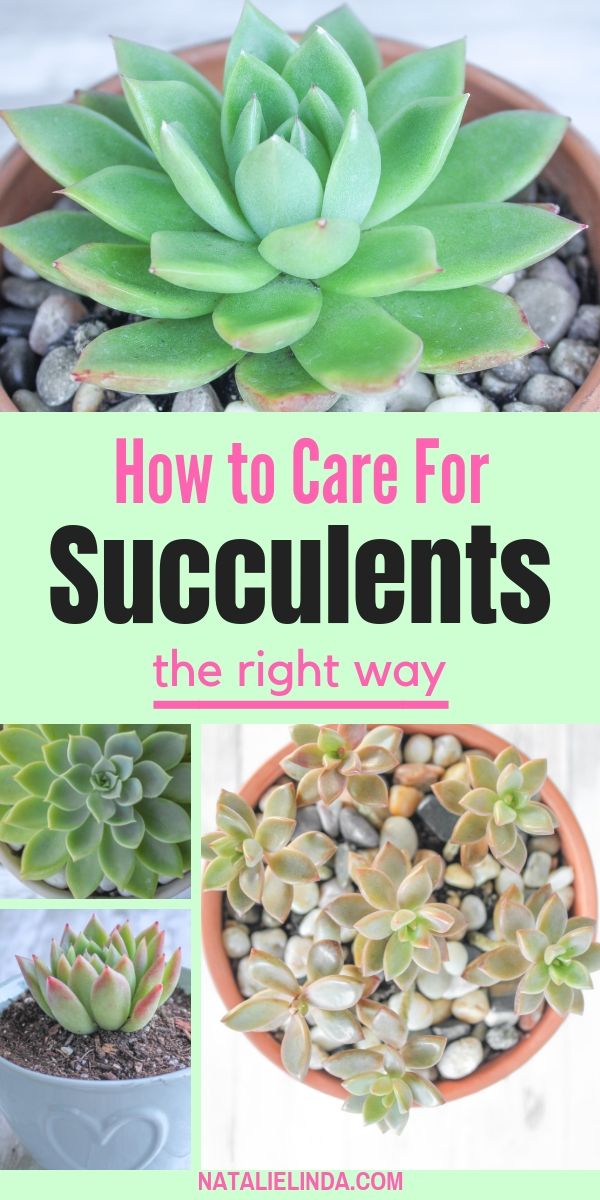
The success of your terrarium hinges on selecting the right type of succulents. Avoid varieties that naturally grow in tropical, shaded environments, as they will struggle in the dry, bright conditions a terrarium provides. Instead, look for species that thrive in arid conditions and have a compact, upright growth habit. Ideal candidates include Haworthias, Gasterias, certain types of small Echeverias, Air Plants (Tillandsia), and even some slow-growing Sedums.


When arranging your plants, consider their mature size and visual appeal. Place the tallest specimens in the back or center and the smaller ones toward the front to create depth. Ensure there is enough space between plants to allow for air circulation; overcrowding is a primary cause of fungal issues and pest infestations in enclosed glass gardens.
Ongoing Care and Maintenance
Once your terrarium is assembled, the temptation to overwater is the biggest threat to your plants. A general rule of thumb is to water only when the soil is completely dry. For an open terrarium, this might mean watering every two to three weeks, while a closed terrarium may only require a few tablespoons of water every couple of months. Always use the soak and dry method: gently water the soil until it is moist but not streaming, and then allow all excess water to drain out completely.
Light is another crucial factor. Succulencies require bright, indirect light or direct morning sun. Placing your terrarium near an east or west-facing window is ideal. Avoid harsh, direct afternoon sun, especially in sealed containers, as the magnified heat can scorch the leaves and essentially cook the plants inside.




Addressing Common Problems
Even with careful planning, issues can arise. The most prevalent problem is etiolation, where stems stretch abnormally and leaves space out due to insufficient light. If this occurs, you must move the terrarium to a brighter location immediately. If stretching is severe, you may need to prune the plants and propagate the cuttings or replace the plants entirely.
Pests such as mealybugs can also appear, particularly if you add new plants without quarantining them. If you notice white, cottony spots on the leaves, isolate the terrarium immediately and treat the infestation with a cotton swab dipped in rubbing alcohol or an insecticidal soap. Finally, if you notice any rotting or mushy leaves, remove them immediately with sterile scissors to prevent the decay from spreading to the healthy parts of the plant.


Related Articles

The Ultimate Syngonium Plant Care Guide: Low-Maintenance Tips for Thriving Growth
Syngonium, often referred to as the Arrowhead plant, is a fascinating and highly adaptable tropical houseplant that brings a touch of the jungle into any home...

Hoya in Terrarium: The Ultimate Care Guide for Thriving Miniatures
Hoya plants have become a mainstay in the indoor gardening world, prized for their waxy, fragrant flowers and low-maintenance demeanor. A hoya in terrarium...

Finger Leaf Philodendron: The Ultimate Care Guide for Lush, Thriving Foliage
The finger leaf philodendron, botanically known as Philodendron digitatum, is a captivating houseplant celebrated for its uniquely sculpted foliage. This...

Golden Star Cactus: The Ultimate Care Guide for This Stunning Succulent
The golden star cactus, scientifically known as Astrophytum asterias, is a small, spineless wonder native to the dry regions of Mexico and Texas. This...

Purple Prayer Plant Care: Ultimate Guide to Thriving Calathea 🌿✨
The purple prayer plant, scientifically known as Maranta leuconeura var. erythroneura, is a striking houseplant celebrated for its deep purple-green leaves and...

The Ultimate Guide to Rubber Plant Care: Expert Instructions for Thriving Ficus Elastica
The rubber plant, scientifically known as Ficus elastica, is a striking statement plant that brings a touch of architectural drama to any indoor space. Its...