The Ultimate Guide to Succulent and Cactus Care: Blooming Secrets for Desert Plants
Bringing the desert into your home through succulents and cacti is a rewarding pursuit, but it requires a shift in perspective from traditional houseplant care. These arid-zone natives have evolved to thrive in intense sun, sparse water, and well-draining soil, meaning the biggest mistake beginners make is simply treating them like thirsty ferns. Understanding their fundamental adaptations is the key to avoiding common pitfalls like root rot and etiolation. This guide cuts through the guesswork, providing specific, actionable steps to keep your prickly and fleshy companions healthy for years.
While the terms succulent and cactus are often used interchangeably, they refer to different plant characteristics found across numerous families. Succulents are defined by their ability to store water in leaves, stems, or roots, giving them that plump, fleshy appearance that many find irresistible. Cacti, a specific subset of succulents, are distinguished by their areoles—those distinctive fuzzy or spiny bumps from which spines, flowers, and branches emerge. Recognizing these botanical differences is essential because it dictates nuances in handling, watering, and propagation, ensuring you provide care that aligns with each plant’s specific biology.
Mastering the Art of Watering
Overwatering is the unequivocal number one cause of death for succulents and cacti, making the watering schedule the most critical aspect of their care. The "soak and dry" method is not just a trend; it mimics their natural rainfall patterns, allowing the soil to completely dry out between applications. Rather than watering on a fixed weekly schedule, check the soil moisture by inserting a finger about an inch deep or using a wooden skewer; if it comes out clean and dry, it is time to water thoroughly until it runs out of the drainage holes. Then, patience is vital—wait until the pot is entirely dry before repeating the process, which could be every 2 to 3 weeks depending on your environment.


Environmental Factors Influencing Moisture
The frequency of your watering must adapt to the dynamic conditions of your home. During the bright, hot days of spring and summer, your plants will likely enter a period of active growth and may require more frequent soaking. Conversely, in the cool, dim light of fall and winter, they enter dormancy and need water only every four to six weeks, if not longer. Indoor heating and air conditioning drastically alter humidity and evaporation rates, so always observe your plants; wrinkles on a cactus or soft, translucent leaves on a succulent are clear indicators of thirst, while yellowing, mushy stems signal that you are holding the watering can a little too long.
Light Requirements and Placement
Providing adequate sunlight is non-negotiable for maintaining the shape and color of your succulents and cacti. These plants generally require a minimum of four to six hours of direct, unfiltered sunlight daily to photosynthesize effectively. A south-facing window is often ideal, but you must acclimate plants slowly when moving them to a brighter spot to prevent sunburn, which appears as harsh, bleached patches on the skin. If natural light in your home is insufficient, particularly during winter months, investing in a high-quality grow light is a practical solution to prevent leggy, stretched growth known as etiolation.

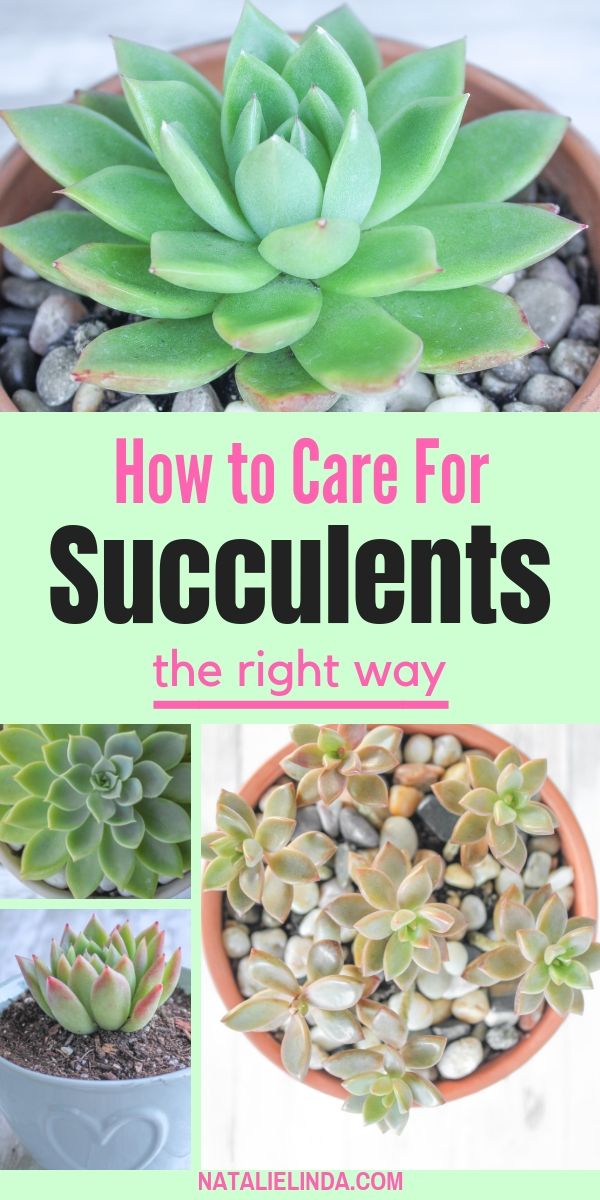

Seasonal Rotation and Temperature
To promote even growth and prevent your plants from leaning toward the light source, rotate your pots a quarter turn every few weeks. Temperature stability is equally important; most desert-dwelling species prefer warmth and will suffer if exposed to drafts from doors or cold window glass. While many cacti can handle brief dips near freezing if kept bone dry, the vast majority of indoor succulents thrive in temperatures between 65°F and 80°F (18°C to 27°C). Protect your collection from the harsh midday heat of radiators in the summer and the chilling drafts of windows in the winter.
Soil and Container Selection
The appropriate potting medium is arguably as important as the water you provide, as it dictates the speed at which moisture moves away from the roots. Standard potting soil retains too much water for arid plants, so you must use a specialized cactus or succulent mix. You can enhance drainage further by incorporating inorganic amendments like pumice, perlite, or coarse sand. Equally critical is the container itself; it must have at least one drainage hole in the bottom to allow excess water to escape, preventing it from pooling at the roots and causing rot.
The Practicalities of Repotting
Repotting is necessary when you notice roots growing out of the drainage holes or when the plant becomes unstable in its current container. The best time to undertake this task is in the spring, just as the growing season begins. When handling cacti, always use thick gloves or folded newspaper to protect your hands from spines. Gently loosen the root ball and remove any old, mushy roots before placing the plant into a slightly larger pot with fresh soil. Resist the urge to water immediately after repotting; wait for about a week to allow any root damage to callus over, reducing the risk of infection.


Propagation and Troubleshooting
One of the most satisfying aspects of caring for succulents is the ease of propagation, allowing you to multiply your collection from cuttings or offsets. For leaf propagation, gently twist a healthy leaf from the stem, ensuring it comes off cleanly, and let it sit in a dry area for a few days to form a callus. Place the callused leaf on top of moist soil, and roots will eventually emerge. For cacti, cuttings must be allowed to dry and callus for several days before being planted in dry soil to prevent rot. This process is a cost-effective way to expand your collection and share plants with friends.
Even with the best intentions, problems can arise. Leggy growth with wide spaces between leaves indicates etiolation, a desperate search for light that requires immediate relocation to a brighter spot. Soft, shriveled tissue might seem like a sign of underwatering, but it is often a result of overwatering where the roots have rotted and can no longer transport moisture. Pests like mealybugs and scale insects can also afflict these plants, appearing as cottony masses or brown bumps; these can be managed with a targeted application of isopropyl alcohol or insecticidal soap, ensuring you treat the plant and its pot thoroughly to eliminate the problem at its source.


Related Articles

The Ultimate Thanksgiving Cactus Care Guide: Blooming Secrets for Stunning Holiday Flowers
Thanksgiving cactus care begins with understanding that this vibrant houseplant is more than just a seasonal decoration. Known scientifically as Schlumbergera...

The Ultimate Guide to Caring for Calla Lily Plants Indoors: Blooming Secrets
Understanding how to care for a calla lily plant indoors begins with recognizing its origin. Hailing from wetlands in South Africa, this elegant flower thrives...

The Ultimate Christmas Cactus Care Guide: Blooming Secrets for Holiday Success
Providing the right christmas cactus care guide ensures your Schlumbergera bridgesii flourishes and rewards you with an abundance of vibrant blooms during the...

Golden Star Cactus: The Ultimate Care Guide for This Stunning Succulent
The golden star cactus, scientifically known as Astrophytum asterias, is a small, spineless wonder native to the dry regions of Mexico and Texas. This...

The Ultimate Guide to Taking Care of Dahlia Flowers: Blooming Secrets
Dahlias reward the gardener who understands their specific needs, transforming a simple bed into a breathtaking explosion of color from late summer until the...

Ric Rac Cactus Care: The Ultimate Guide to Growing and Blooming
Ric rac cactus care begins with understanding that this striking succulent is more than just a quirky addition to your indoor garden; it is a living piece of...