Snake Plant Food: The Ultimate Guide to Thriving Greenery
Snake plant food is not a topic that immediately springs to mind for most plant enthusiasts, yet it is a critical element in maintaining the sharp, architectural appeal of *Sansevieria*. Often called the indestructible houseplant, this species can survive neglect, but it thrives with intention. Understanding the specific nutritional needs of this hardy foliage plant transforms it from a survivor into a statement piece. This guide breaks down the essential components of a proper feeding regimen to ensure your vertical garden remains vibrant.
Why Snake Plants Need Specialized Nutrition
While it is true that snake plants originate from nutrient-poor West African soils, this history does not mean they prefer starvation. In their natural habitat, they survive on minimal resources, but cultivated indoor environments often provide a different story. Potted soil leaches nutrients over time, and water alone cannot replace the essential macro and micronutrients that plants extract from the soil matrix. Without a balanced diet, even the toughest leaves can develop a sickly pallor or fail to produce new offsets. The goal of feeding is not to accelerate growth to an unnatural speed, but to support steady, healthy cellular development that reinforces the plant’s natural resilience.
Macronutrients and Their Roles
Macronutrients are the primary building blocks of plant health, and they are required in relatively large amounts compared to other elements. For optimal snake plant food strategies, you should look for a fertilizer with an N-P-K ratio that favors nitrogen (N) for green growth, phosphorus (P) for root development, and potassium (K) for overall systemic strength. However, because *Sansevieria* is a slow grower, an 8-7-6 or 10-10-10 formula is generally sufficient. Too much nitrogen can lead to excessive, weak foliage that makes the plant susceptible to toppling, while adequate potassium helps the plant regulate water use and fend off disease.


The Seasonal Feeding Schedule
One of the most common mistakes in snake plant care is feeding on a constant, year-round basis. These plants experience a distinct dormancy period during the cooler months, and their metabolic processes slow down significantly. Feeding during this time is not only ineffective—since the plant cannot process the nutrients—but it can also lead to a dangerous buildup of salts in the soil, which manifests as brown tips or crust on the surface of the pot. Instead, you should adjust your feeding schedule to match the plant’s natural calendar.
Active Growth vs. Resting Phase
During the spring and summer months, when daylight hours increase and temperatures remain warm, your snake plant enters its active growth phase. This is the window of opportunity to feed. Applying a diluted, balanced liquid fertilizer once every 4 to 6 weeks provides the necessary boost without overwhelming the plant. As autumn arrives and light levels drop, you should cease feeding entirely. The transition to winter should act as a signal to halt the nutrient supply, allowing the plant to rest and prepare for the next cycle of growth.


Choosing the Right Fertilizer Type
The market is flooded with various fertilizer formats, from liquids to spikes, and selecting the right one can be daunting for a new owner. Liquid fertilizers are generally the most recommended format for snake plants because they are easy to control and integrate into regular watering routines. They dissolve quickly, ensuring immediate root access, and they leave no solid residue that might clog the drainage holes. Alternatively, organic options such as compost tea provide a gentle range of nutrients that improve soil structure without the risk of chemical burn.
Avoiding the Salt Buildup Trap
Whether you choose a synthetic or organic snake plant food, the risk of salt accumulation is a persistent concern. Every fertilizer contains mineral salts that help deliver nutrients to the plant, but when these salts build up over time, they create a hostile environment that draws moisture *out* of the roots—a process known as fertilizer burn. Symptoms include crispy, brown edges on the leaves. To mitigate this, always water the soil thoroughly without fertilizer every few months. This "flushing" action helps wash the excess salts down and out of the drainage system, protecting the delicate root hairs.
Application Tips for Maximum Efficiency
Applying fertilizer correctly is just as important as selecting the right product. Never apply a concentrated dose directly to dry soil, as this can shock the roots and cause immediate damage. Instead, ensure the soil is slightly moist before you begin. If you are using a liquid concentrate, it is better to err on the side of caution and dilute the solution slightly more than the package recommends. Remember, it is far easier to provide a little extra nutrition later than to repair root damage caused by over-fertilization.

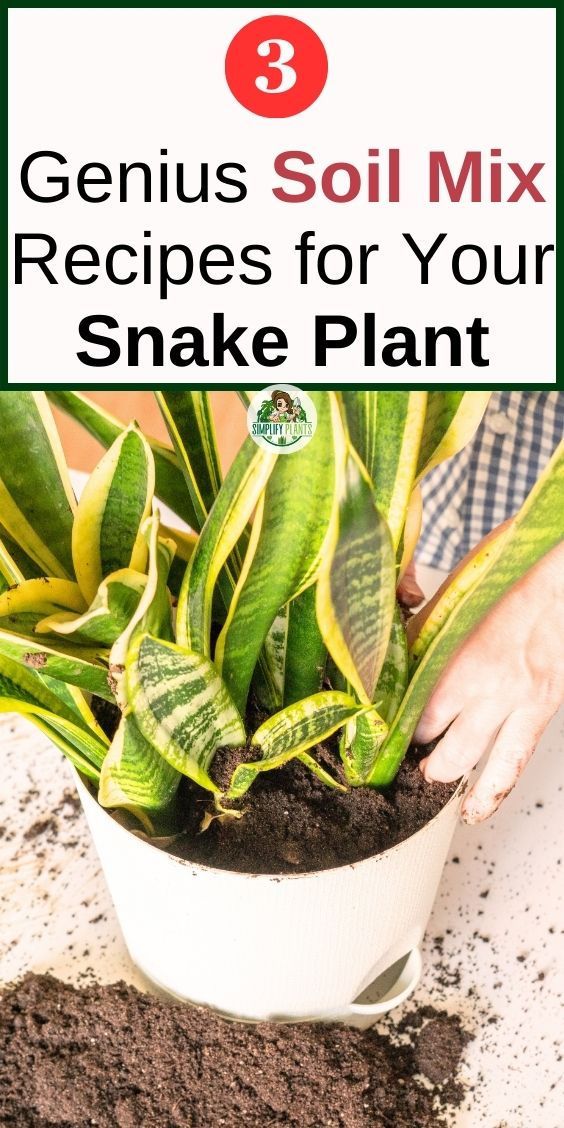


Observing your plant is the best fertilizer guide. If the leaves are deep green, firm, and growing at a steady pace, your current food strategy is working. If you notice yellowing, stunted growth, or a sudden drop in vigor, reevaluate your feeding schedule and adjust accordingly. With the right balance of snake plant food and care, you will be rewarded with a lush, enduring display of green architecture that defines the modern indoor jungle.


Related Articles

Spider Plant Air: The Ultimate Guide to Thriving, Purifying Greenery
The spider plant, often recognized by its graceful, arching leaves and tiny white flowers, is a staple in homes worldwide. While its aesthetic appeal is...

The Ultimate Guide to Pot Plant Soil: Expert Tips for Thriving Greenery
Selecting the right pot plant soil is the single most critical decision you can make for the long-term health of your indoor garden. Unlike garden soil, which...

The Best Dirt for Snake Plant: Ultimate Soil Guide for Thriving Growth
Selecting the right dirt for a snake plant is less about horticultural tradition and more about mimicking its native environment. Sansevieria, often known as...

Indoor Plant Tips: The Ultimate Guide to Thriving Greenery
Bringing the outdoors inside through houseplants is more than a design trend; it is a commitment to cultivating a healthier, more vibrant living space...

The Ultimate Guide to Making Perfect Plant Soil: Secrets for Thriving Greenery
Creating the perfect plant soil is the foundational step for any thriving indoor garden or outdoor sanctuary. While it might seem like a simple mixture of dirt...

Live Spider Plant: Your Ultimate Guide to Thriving, Air-Purifying Greenery
The live spider plant, scientifically known as Chlorophytum comosum, is a resilient and adaptable houseplant that brings a touch of nature into indoor spaces...