Simple Cinnamon Roll Icing Recipe — Easy & Delicious Glaze
There is a certain magic in transforming a simple homemade cinnamon roll into a stunning dessert masterpiece, and that magic often begins with the icing. A perfect cinnamon roll icing is not just a sweet glaze; it is the final flourish that balances the warm, spicy notes of the dough and elevates the entire experience. This guide unlocks the secrets to achieving a silky, pourable topping that adds the perfect touch of sweetness without overwhelming the comforting flavors of the roll itself.
The Anatomy of the Perfect Icing
Understanding the core components is the first step to mastering simple cinnamon roll icing. The foundation is usually a combination of powdered sugar and a liquid, which creates the base sweetness and determines the consistency. Unlike buttercream, which requires extensive whipping, cinnamon roll icing relies on the precise ratio of dry to wet ingredients to achieve the ideal texture. Too much liquid results in a runny glaze that slides off the roll, while too little creates a thick, difficult-to-pipe paste that doesn't coat evenly.
Essential Ingredients and Their Roles
Building a great icing starts with knowing what goes into it and why. Each ingredient plays a specific part in creating the final texture and flavor profile. You don't need a long list of complicated items to create a professional-quality result; just a few high-quality staples are all that's necessary.


- Powdered Sugar: The primary sweetener and structural component. Its fine texture ensures a smooth, lump-free finish that is essential for a classic glaze.
- Liquid: This is where you can customize. Milk, heavy cream, or even cream cheese provides richness, while vanilla extract or citrus zest adds complexity.
- Fat: A touch of unsalted butter or cream cheese adds a luxurious mouthfeel and helps stabilize the icing, preventing it from becoming too brittle.
Mastering the Consistency
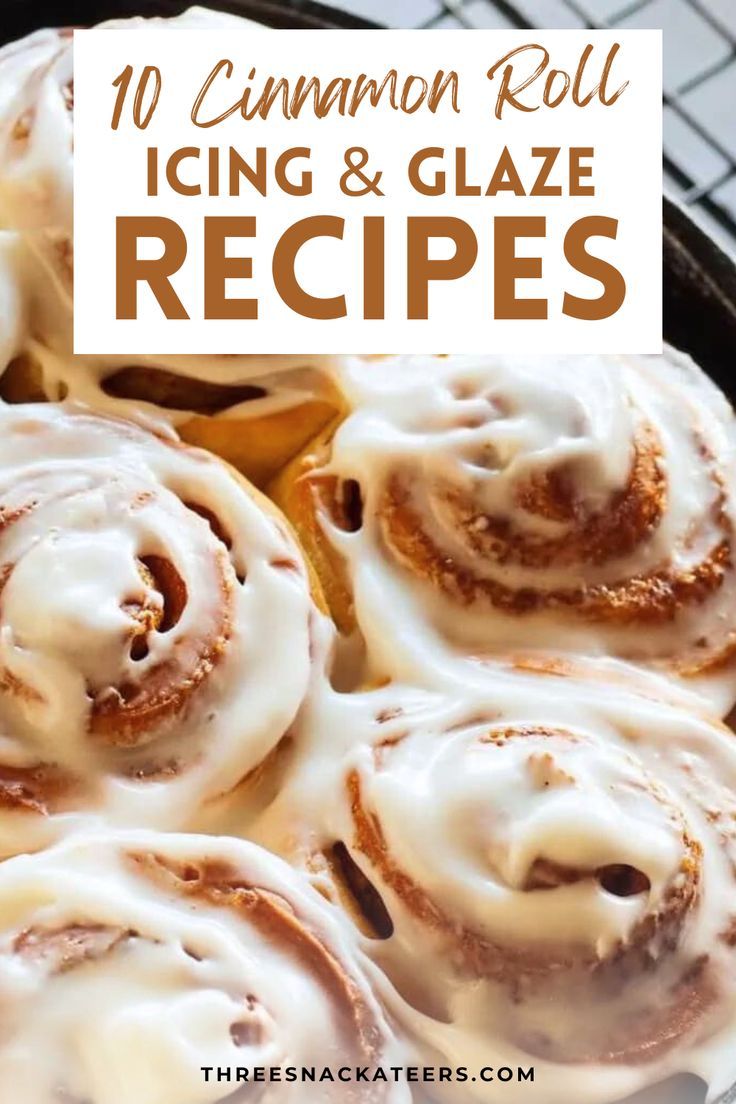
The single most important factor in applying a beautiful cinnamon roll icing is achieving the right consistency. This is the difference between an icing that pools messily on the plate and one that sits proudly on the roll with a glossy sheen. The goal is a pourable texture that is thick enough to hold its shape for a few seconds before settling into a smooth top.
Start by adding the liquid gradually. It is always easier to thin the icing out than to thicken it back up. If the mixture is too stiff, add a teaspoon of liquid at a time. If it is too runny, simply add more powdered sugar, a tablespoon at a time, until it reaches the desired viscosity. Remember that the warm roll will slightly melt the icing upon contact, so aim for a slightly thicker consistency than you think you need.


Simple Recipe for a Classic Vanilla Glaze
For those who prefer a straightforward approach, this simple vanilla glaze is a reliable favorite. It requires just three ingredients and delivers a clean, sweet flavor that pairs perfectly with any cinnamon roll recipe.
| Ingredient | Quantity | Purpose |
|---|---|---|
| Powdered Sugar | 2 cups | Base sweetness and structure |
| Milk or Heavy Cream | 2-3 tablespoons | Liquid for consistency |
| Vanilla Extract | 1 teaspoon | Flavor enhancement |
To prepare, simply whisk the powdered sugar and vanilla extract together in a bowl. Gradually add the milk, whisking constantly until the mixture is completely smooth and reaches a thick yet pourable consistency. This versatile base can be easily adapted to suit your specific preferences.
Variations and Flavor Profiles
While a classic vanilla glaze is a crowd-pleaser, the beauty of cinnamon roll icing lies in its adaptability. You can easily transform the basic recipe into something uniquely yours by incorporating different flavors and ingredients. These variations allow you to match the icing to the theme of your baking session, whether it is a cozy morning treat or a festive gathering.


- Cream Cheese Icing: For a tangy and rich alternative, beat 4 ounces of softened cream cheese with 1/4 cup of powdered sugar before adding it to the remaining icing ingredients. This creates a decadently smooth and slightly tart glaze.
- Maple Icing: Swap out the vanilla for a tablespoon of maple syrup to capture the flavors of fall. The deep, caramel notes of maple syrup pair exceptionally well with warm spices.
- Espresso Glaze: Dissolve a teaspoon of instant espresso powder in the warm liquid before mixing. This sophisticated twist adds a subtle coffee kick that enhances the caramelized notes of the sugar.
The Art of Application
Applying the icing at the right moment is just as crucial as mixing the perfect batter. A warm cinnamon roll needs a warm, flexible icing that will melt and create a seamless finish rather than sitting on top in stiff, cold peaks. Working quickly and confidently is key to achieving a professional-looking result.
Place your freshly baked rolls on a wire rack set over a baking sheet or parchment paper. This setup catches any drips and keeps the rolls from sitting in their own icing, which can make the bottom soggy. While the rolls are still hot, begin drizzling the icing from the top of the roll, allowing gravity to help create an even coat. Use a spoon or a piping bag for more control, especially if you want to create intricate patterns or thick swirls.
Tips for a Flawless Finish
To ensure your icing looks as good as it tastes, a few expert techniques can make all the difference. These small tips address common issues like clumping and uneven coverage, helping you achieve a bakery-quality appearance right in your own kitchen.


- Sift Your Sugar: Always sift your powdered sugar before measuring to remove lumps and ensure a perfectly smooth mixture.
- Control the Temperature: Avoid pouring icing onto rolls that are too hot, as this can cause the icing to slide right off. Let them cool for 1-2 minutes so the icing can set upon contact.
- Add a Shine: For an extra-glossy finish, you can add a teaspoon of light corn syrup or clear vanilla extract to your final glaze.
Related Articles

Crock Pot Cinnamon Roll Recipe: Easy, Delicious, Soft & Gooey
The crock pot cinnamon roll recipe is the ultimate solution for enjoying fresh, gooey cinnamon rolls without the morning oven hassle. Imagine waking up to the...

Easy Ratatouille Recipe: Simple Steps to Delicious Vegetable Stew
Ratatouille is far more than a simple vegetable stew; it is a celebration of seasonal produce, slow-cooked harmony, and rustic French comfort food. This...

Simple Breakfast Casserole Recipe: Easy & Delicious Morning Dish
There is a certain magic to a simple breakfast casserole that transforms the chaos of a weekday morning into a serene moment of indulgence. Rather than...

The Ultimate French Twist Roll Recipe – Easy, Elegant & Delicious
The french twist roll is a masterful union of haute patisserie technique and comforting simplicity, transforming a basic breakfast staple into an elegant...

Perfect Pumpkin Bundt Cake Glaze Recipe (Easy & Delicious)
The pumpkin bundt cake glaze is the final, flavorful touch that transforms a simple dessert into a show-stopping centerpiece. This glossy mixture, often...

Decadent Marzipan Icing Cake Recipe – Easy, Delicious & Festive 🎂✨
Marzipan icing cake is a dessert that embodies both artistry and indulgence, presenting a surface so flawless it appears sculpted from porcelain. This...