The Ultimate Guide to Scalped Bermuda Grass: Tips for a Lush Lawn
Scalped bermuda grass is a familiar sight for many homeowners and groundskeepers, particularly during the early spring. This practice involves closely mowing the lawn just as the grass begins to emerge from dormancy, removing the previous season's dead foliage to expose the vibrant green shoots underneath. While it creates a visually striking striped pattern, the process is about more than just aesthetics; it is a critical cultural practice that dictates the health and density of the turf for the entire growing season.
The Science Behind the Scalp
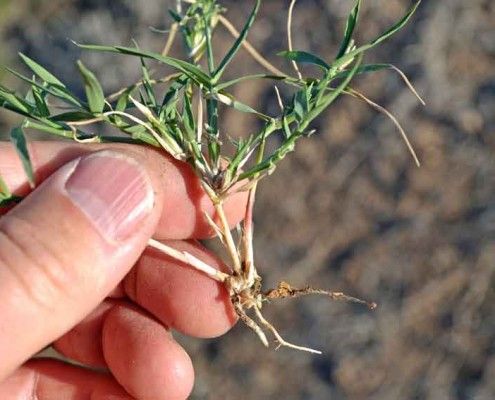
Bermuda grass is a warm-season perennial that spreads through rhizomes and stolons. During winter, the above-ground foliage dies back, creating a thatch layer that insulates the crown but can prevent new shoots from breaking through the soil. Scalping effectively removes this thatch layer, allowing sunlight to reach the soil and warm the crowns. This thermal activation encourages uniform germination and ensures that the grass grows vertically rather than sprawling horizontally under the dead material. The key is timing; performing this task too early risks damaging new growth, while waiting too long allows the thatch to decompose naturally, which is less effective at promoting a clean stand.
Timing and Height
The ideal time to scalp bermuda grass is when the turf shows about 1 to 2 inches of green growth in the spring. At this stage, the rhizomes have activated, but the new blades are still tender. Using a sharp mower blade set to the lowest safe setting—usually between ½ inch and 1 inch—is essential. This low cut is only possible because the soil is warming and the plant is entering its peak growth phase. Attempting to scalp dormant grass or during a late frost can shock the plant and set the lawn back significantly.


Benefits of the Practice
Beyond the visual appeal of a striped lawn, scalping provides several agronomic benefits that contribute to a robust turf system. By removing the bulk of the dead material, the airflow around the soil surface improves significantly. This reduces the humid microclimate that fosters fungal diseases like brown patch. Furthermore, the clippings left on the lawn act as a light mulch, returning nitrogen to the soil as they break down. This practice also helps to control weeds; a thick, healthy bermuda canopy quickly shades out weed seeds, preventing them from establishing.
- Thatch Reduction: Eliminates the dense layer blocking air and water.
- Uniform Growth: Promotes synchronous green-up across the entire zone.
- Disease Prevention: Improves airflow to keep the canopy dry.
- Nutrient Recycling: Clippings decompose to feed the soil.
Potential Risks and Mitigation
However, scalping is not without risks. If the bermuda grass is stressed due to drought or poor nutrition, aggressively cutting it down can delay recovery. The exposed soil surface is also vulnerable to weed invasion if the grass does not green up quickly. To mitigate these issues, it is vital to ensure the lawn is healthy before the event. Applying a balanced fertilizer a few weeks prior can provide the necessary energy reserves. Additionally, ensuring the mower blade is sharp prevents tearing the grass, which can lead to disease entry points.


Post-Scalp Care
Immediately after scalping, the lawn will look like bare dirt, which can be alarming to the untrained eye. This is the intended effect, and the lawn should green up within 7 to 14 days depending on the climate. Watering deeply and infrequently is crucial at this stage to encourage deep root growth. As the lawn fills in, a standard mowing schedule can resume, but it is generally recommended to never remove more than one-third of the total leaf blade length in a single cutting. This maintains the density of the bermuda and prevents sun scalping of the soil.
Comparison Table: Scalping vs. Regular Mowing
| Feature | Scalping | Regular Mowing |
|---|---|---|
| Timing | Early spring, at green-up | Throughout the growing season |
| Height | Low (1/2" - 1") | Moderate (1" - 2") |
| Frequency | ||
| Primary Goal |
Long-Term Lawn Strategy
Scalping bermuda grass should be viewed as a reset button rather than a regular maintenance task. Most lawns require this process only once every one to three years, depending on how quickly thatch accumulates. Combining this practice with proper aeration and dethinking in the fall can extend the interval between scalping sessions. By understanding the biology of the grass and the purpose of the cut, homeowners can transform a potentially damaging hack into a sophisticated strategy for achieving a carpet-like lawn that is the envy of the neighborhood.




Related Articles

The Ultimate Guide to Aerating Bermuda Grass: Expert Tips for a Lush Lawn
Maintaining a lush, resilient lawn requires understanding the specific needs of your grass species. For homeowners in warmer climates, bermuda grass is a...

The Ultimate Guide to St. Augustine Bermuda Grass: Expert Tips for a Lush Lawn
St. Augustine Bermuda grass represents a fascinating botanical intersection that often surprises homeowners and landscaping professionals alike. While the name...

The Ultimate Guide to Overseeding a Lawn: Lush, Green Grass Guaranteed
Overseeding a lawn is one of the most effective strategies for maintaining a thick, resilient, and vibrant landscape. Rather than tearing out existing grass...

The Ultimate Guide to a Perfect Lawn: Grass Irrigation System Tips & Tricks
Investing in a grass irrigation system is one of the most effective ways to maintain a vibrant, healthy lawn without wasting water or drowning your roots...

Stay Green Grass Seed: The Ultimate Guide to a Lush, Year-Round Lawn
Establishing a lush, resilient lawn begins long before the first blade of grass pushes through the soil. For homeowners and landscaping professionals...

How Often to Water New Grass: The Ultimate Guide for a Lush Lawn
Establishing a new lawn requires a precise watering schedule, and understanding how often to water new grass seed is the single most critical factor for...