Rubber Plant Root Rot: Causes, Treatment, and Prevention Tips
Root rot is one of the most destructive and common issues facing rubber plant owners, yet it is frequently misunderstood. This condition occurs when the roots of the Ficus elastica sit in excess moisture, creating an environment where harmful fungi and bacteria can thrive. Unlike issues related to pests or improper lighting, root rot attacks the plant from the foundation up, compromising its ability to absorb water and nutrients. If left unaddressed, what starts as a subtle decline can escalate into the rapid collapse of a once-healthy specimen. Understanding the specific conditions that lead to this problem is the first step toward saving your plant.
Identifying the Warning Signs
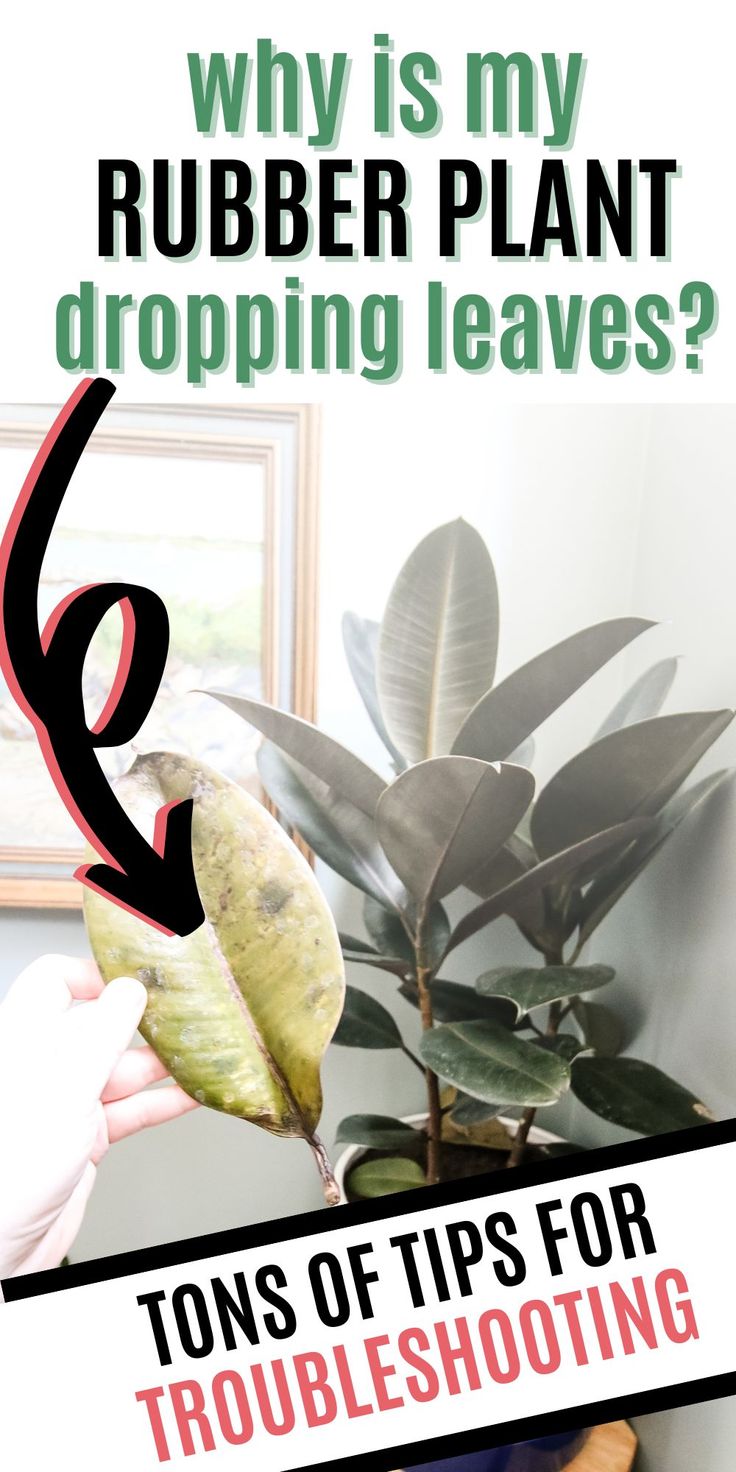
Catching rubber plant root rot early requires vigilance, as the symptoms often mimic other care issues like overwatering or nutrient deficiency. Above ground, you might notice a sudden and dramatic drop in leaf health, characterized by yellowing, wilting, or a general loss of gloss. These leaves may eventually brown and fall off, leaving the plant looking sparse. The most definitive diagnostic step, however, requires examining the root system itself. By carefully removing the plant from its pot, you can inspect the roots; healthy roots are firm and pale, while infected roots are dark brown or black, soft to the touch, and emit a distinct foul odor.
Common Causes and Contributing Factors
The primary culprit behind rubber plant root rot is almost always cultural error, specifically improper watering habits. These tropical plants prefer a "soak and dry" cycle, meaning the soil should dry out significantly between waterings. Using a pot without adequate drainage holes is a surefire way to trap water around the roots. Furthermore, using a dense, moisture-retentive soil mix—such as standard garden soil—can suffocate the roots and slow drainage to a dangerous pace. Even the size of the pot matters; a container that is too large holds more soil than the current root system can dry out, increasing the risk of rot.


Immediate Remediation Steps
If you have identified the problem, acting quickly is crucial to prevent total loss. The immediate goal is to remove the source of moisture and halt the spread of decay. Begin by carefully taking the plant out of its pot and gently rinsing the old soil away from the roots to get a clear view of the damage. Using a pair of sterile pruning shears, you must cut away all affected roots, cutting back until you see only firm, white, or light-colored tissue. It is essential to sanitize the blades between cuts, ideally with rubbing alcohol, to ensure you do not spread the pathogens to healthy tissue.
Chemical Treatment and Re-potting
After the removal of infected tissue, the plant should be treated to prevent future infection. A dip in a fungicide solution—such as a copper-based product or a systemic fungicide—will help protect the fresh cuts. Allow the roots to air dry for several hours before repotting; this step helps form a protective callus over the wounds. When selecting a new container, choose one that is only slightly larger than the root ball, ensuring it has multiple drainage holes. The soil should be a fast-draining mix, such as one formulated for cacti or a blend of standard potting soil with added perlite or orchid bark.


Once re-potted, watering practices must change immediately. Resist the urge to water the plant immediately after the trauma of repotting; instead, wait a few days to allow the roots to settle. When you do water, do so thoroughly until liquid runs out of the drainage holes, and then allow the top one to two inches of soil to dry out completely before the next watering. Moving the plant to a bright, indirect light location will encourage new growth without subjecting the stressed roots to the intense heat of direct sunlight.
Prevention for Long-Term Health
Preventing a recurrence of rubber plant root rot requires a commitment to consistent care routines rather than reactive measures. The key is to water based on the plant’s needs rather than a rigid schedule; factors like light, temperature, and humidity will dictate how quickly the soil dries. Investing in a well-draining potting mix and a pot with ample drainage is non-negotiable for this species. Additionally, monitoring the plant’s environment—avoiding cold drafts and ensuring stable temperatures—will help the roots remain robust and resilient against pathogens.
Recovery and Long-Term Outlook
The recovery process for a rubber plant suffering from root rot is a test of patience, as the plant must regenerate roots before it can resume normal growth. You can assess the success of your efforts by observing the stems; if they remain firm and green, the plant is likely still alive. New growth at the top of the soil is a positive sign that the roots have stabilized and are functioning again. While severe cases may result in permanent scarring or the loss of some branches, most plants that receive timely intervention will bounce back over the course of several growing seasons, returning to their status as lush, statement-making houseplants.


Related Articles

Money Plant Black Spots: Causes, Fixes & Prevention Tips
Noticing money plant black spots on your beloved Epipremnum aureum can be a concerning sight. These blemishes are more than just an aesthetic flaw; they are a...

What is a Leggy Plant? Causes, Fixes & Prevention Tips
Leggy growth is a common and often frustrating visual cue sent by your houseplants, signalling that something is critically out of balance in their...

Fig Leaf Rust: Causes, Treatment, and Prevention Tips
Fig leaf rust is a persistent fungal challenge that impacts ornamental and edible fig trees worldwide. This disease targets the leaves, causing premature...

Fungus on Seedlings: Causes, Prevention & Organic Treatment Tips
Damp soil and fluctuating temperatures create the perfect storm for a frustrating problem: fungus on seedlings. What you often see is not the fungus itself...

Brown Spot in Potato: Causes, Treatment, and Prevention Tips
Brown spot in potato is a common and frustrating issue that affects both home gardeners and commercial growers. These unsightly blemishes not only diminish the...

What Causes Dry Rot in Wood: Prevention and Treatment Tips
Dry rot is one of the most aggressive forms of wood decay, caused by a specific fungus that thrives in timber with a consistent moisture level. Understanding...