Roberto Burle Marx: Iconic Landscape Projects & Design Inspiration
Roberto Burle Marx stands as a titan in the world of landscape architecture, his name synonymous with vibrant, fluid designs that rejected rigid formalism for a celebration of native Brazilian flora. His work represents a profound shift in how outdoor spaces are conceived, moving away from European formalism toward a uniquely tropical modernism that feels both wild and meticulously composed. From sprawling public plazas to intimate private gardens, Burle Marx’s landscape projects are living masterpieces that continue to inspire designers and captivate visitors long after his passing.
The Philosophy Behind the Tropical Modernism
To understand Burle Marx’s landscape projects is to grasp his deep-seated philosophy. He was a passionate advocate for Brazilian identity, and his use of native plants was a political and artistic statement. He believed that a true modern landscape should reflect its specific environment, not imitate European traditions. This led to a revolutionary approach where local flora became the primary palette, arranged in dynamic, painterly compositions that highlighted the unique textures, colors, and forms of the Amazon and Atlantic forests. His designs are not just about creating beauty; they are about fostering a connection to the land and its natural heritage.
Defining Characteristics of His Designs
Several key elements define a Roberto Burle Marx landscape project. These principles are evident whether he is working on a small courtyard or a major urban park:
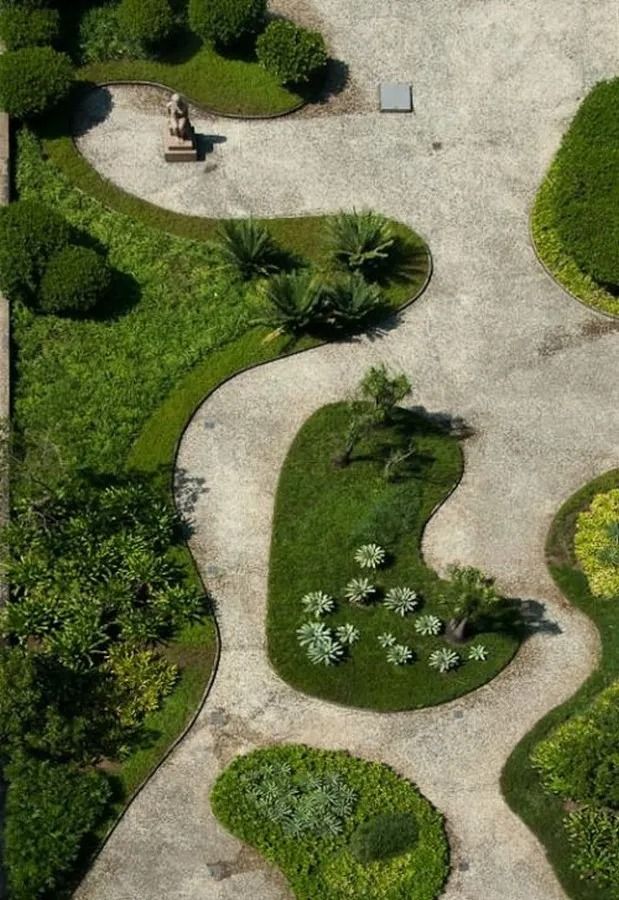


- Mosaic Pavements: Perhaps his most iconic contribution, these intricate sidewalks are crafted from thousands of smooth, colored stones arranged like a painter’s canvas, often forming abstract geometric or curvilinear patterns.
- Layered Planting: Rejecting single-species rows, he favored dense, layered arrangements that mimicked natural ecosystems, creating lush, textural depth.
- Bold Curves: His use of sweeping, organic lines, from bench edges to pedestrian paths, creates a sense of movement and fluidity that is distinctly modern yet deeply natural.
- Water Features: Reflecting pools and cascades were often integrated to enhance the sensory experience and provide a dynamic counterpoint to the static elements.
Iconic Public Projects and Urban Integration
Burle Marx’s genius was scaled to grand public works, transforming cityscapes and establishing new standards for urban design. These large-scale landscape projects brought art and nature into the daily lives of citizens. His work at the Copacabana Boardwalk in Rio de Janeiro is a prime example, where his signature black and white mosaic promenade stretches for kilometers, becoming an iconic symbol of the city itself. He also revitalized major public spaces like the Aterro do Flamengo, a vast reclaimed seaside park, and designed the landscape for the Brasília Cathedral precinct, showcasing his ability to harmonize with even the most modern architectural statements.
Enduring Legacy in Contemporary Practice
The influence of Roberto Burle Marx is not confined to history books; it is actively shaping contemporary landscape architecture. His principles of using native species, embracing bold colors, and creating artful yet functional spaces are more relevant than ever in an era of environmental awareness. Designers worldwide now look to his projects as a blueprint for creating ecologically rich and visually stunning environments. Restoration efforts of his original sites, such as the São Conrado Farm in Rio, continue to study and celebrate his original plantings and designs, ensuring his legacy endures.


A Detailed Look at a Masterwork: The Copacabana Promenade
No discussion of Burle Marx’s landscape projects is complete without a deep dive into the Passeio Público de Copacabana. This 4-kilometer stretch is more than a sidewalk; it is a monumental work of art. The mosaic, known as Calçadas Portuguesas, features a complex interplay of black and white Portuguese stones forming a continuous wave pattern that dances with the curve of the promenade. This project perfectly encapsulates his fusion of art, architecture, and landscape, turning a mundane urban walkway into a beloved civic space and a testament to his innovative spirit.
Preservation and Restoration Challenges
Maintaining the integrity of Burle Marx’s landscape projects presents unique challenges. The very elements that make his designs so revolutionary—dense, living plant palettes and intricate stone mosaics—are subject to weathering, root damage, and material degradation. Conservation efforts require a multidisciplinary approach, blending horticultural expertise with mosaic restoration crafts. Organizations and landscape architects today face the delicate task of preserving his original vision while ensuring these dynamic, living artworks remain vibrant and functional for future generations, a process that demands both scientific rigor and artistic sensitivity.


Related Articles

Stunning Corner Shower Ideas & Design Inspiration
Corner shower images represent a powerful source of interior design inspiration, showcasing how to optimize often-overlooked spaces in modern bathrooms. These...

Stunning Purple Kitchen Walls: Design Ideas & Inspiration
For many, the idea of purple kitchen walls immediately conjures images of dated 1970s diner booths or overly whimsical children's rooms. However, in the world...

Sunking Family Room Ideas: Cozy & Stylish Design Inspiration
For many homeowners, the living room serves as the primary stage for daily life, but the sunken family room offers a distinct alternative that redefines the...

Garden Home P Allen Smith: Design Ideas & Inspiration
For homeowners and garden enthusiasts, the name Patrick Allen Smith resonates with a distinct blend of horticultural mastery and Southern charm. Often simply...

Raiders Family Room: Ultimate Design Ideas & Inspiration
Creating a dedicated raiders family room is about more than just placing a television in the living space; it is about engineering the ideal environment for...

Stunning Travertine Tile Bathrooms: Design Ideas & Inspiration
Travertine tile bathrooms present a unique opportunity to transform a standard functional space into a luxurious retreat. This natural stone, celebrated for...