Revitalize Your Patio: Expert Repainting Patio Furniture Ideas
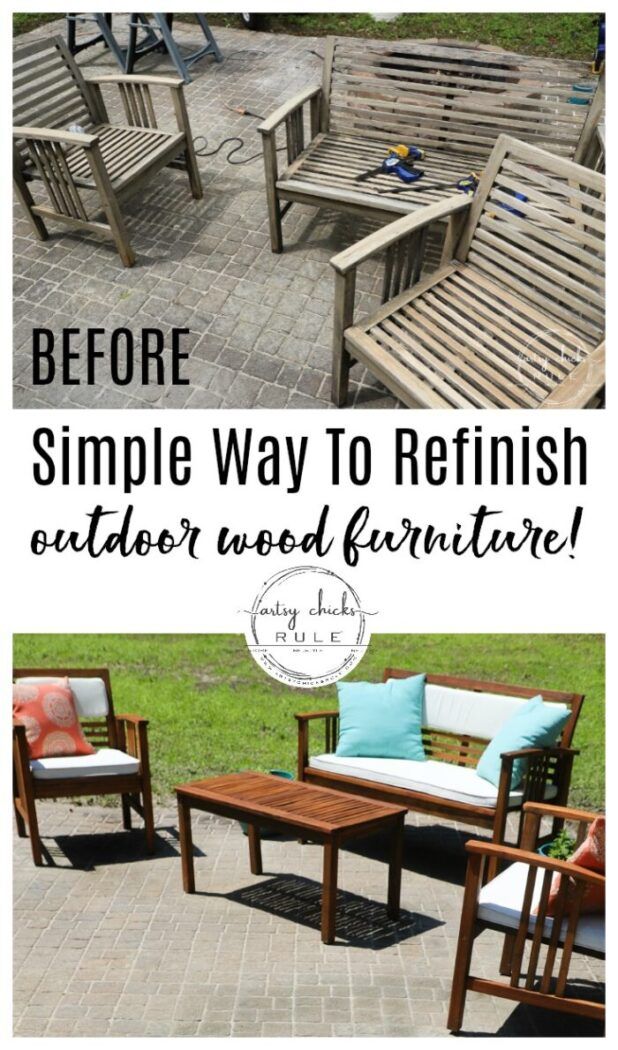
Reviving your outdoor living space often begins with a fresh coat of paint on your patio furniture. Whether your set has endured years of sun, rain, and holiday barbecues, or you simply want to refresh its look for the new season, repainting is a cost-effective transformation. This process allows you to change the color scheme to match your garden’s mood, conceal minor scratches, or protect the underlying material from the elements.
Before diving in, it is crucial to assess the condition of your furniture. Metal frames, typically made from aluminum or steel, require different preparation than wooden pieces or high-quality plastic polymers. Ignoring this step can lead to peeling paint, rust, or a finish that feels rough to the touch. By understanding the material, you ensure the longevity of your effort and create a surface that bonds perfectly to the new paint.
Preparing the Surface for Success
Cleaning and Degreasing
The first step in any successful repaint is meticulous cleaning. Dirt, pollen, and old patio grime create a barrier that prevents paint adhesion. Use a mixture of warm water and mild detergent, scrubbing thoroughly with a stiff brush. For oil residues or stubborn stains, a solution of trisodium phosphate (TSP) or a dedicated degreaser is highly effective. Rinse the furniture completely and allow it to dry for at least 24 hours before moving to the next phase.


Repairing and Sanding
Once clean, you must address any physical damage. Fill dents and holes in wood with a high-quality wood filler, and tighten any loose screws or bolts. For metal, remove existing flaking paint with medium-grit sandpaper or a wire brush. The goal is to create a smooth, uniform surface. Depending on the finish you desire, you may need to lightly scuff the remaining paint to ensure the new layer grips effectively.
Choosing the Right Products
Selecting the correct paint is arguably the most critical decision in this project. Standard indoor paint will crack and fade almost immediately when exposed to UV rays and moisture. You must choose a formula specifically designed for outdoor use. For metal, a rust-inhibiting metal paint or a durable enamel provides the best protection. For wood, an exterior-grade oil-based or water-based deck stain offers both color and a protective seal against rot.


Consider the Finish and Sheen
Beyond color, consider the finish. A matte finish hides imperfections well but can be harder to clean. A satin or eggshell finish offers a slight sheen that balances aesthetics with durability, making it ideal for patio furniture. If you are painting plastic, verify that the label specifically states it bonds to plastic; otherwise, you risk the paint simply sliding off.
The Application Process
With the surface prepped and the paint selected, application becomes an art form. Start by painting the parts of the furniture that are difficult to reach once the main surfaces are covered, such as spindles or the underside of tabletops. Use a high-quality angled brush for detailed work and a small foam roller for large, flat areas. Maintain a wet edge to avoid lap marks and apply thin, even coats rather than one thick layer that might drip or run.
Weather and Drying Times
Patience is vital during the drying phase. Check the manufacturer’s recommended recoat time, but also factor in your local weather. Humidity and cool temperatures can significantly extend drying times, while direct heat can cause the paint to skin over too quickly. Ideally, apply the paint in a shaded, dry environment with low humidity to ensure a smooth, professional finish.


Finishing Touches and Long-Term Care
Once the final coat has cured—usually after 24 to 72 hours—your furniture is ready for use. To further extend the life of the new paint, consider applying a topcoat. A clear UV-protective sealant acts as a shield against sun fading and rainwater penetration, preserving the vibrancy of your chosen color for years. Moving forward, regular cleaning with soap and water will keep your patio set looking fresh.
Repainting patio furniture is more than a DIY project; it is an investment in the longevity and beauty of your outdoor sanctuary. By respecting the preparation stage, selecting the right materials, and applying them with care, you transform worn-out pieces into vibrant centerpieces that enhance your home’s exterior. The result is a durable, attractive finish that withstands the test of time and weather.




Related Articles

Revitalize Your Space: Expert Guide to Refurbishing Leather Furniture
Leather furniture represents a significant investment in both aesthetics and comfort, demanding meticulous care to maintain its integrity over time...

Transform Your Garage: Expert Repainting Epoxy Floor Ideas
Your garage endures a significant amount of wear and tear, serving as a high-traffic area for vehicles, tools, and daily activity. Over time, the existing...

Transform Your Space: Stunning Painted Patio Pavers Ideas
Transforming an outdoor space begins with the foundation, and painted patio pavers offer an exceptional way to establish both style and durability. Unlike...

Transform Your Basement: Expert Remodeling Services & Ideas
When you start to think about fully utilizing the space in your home, the basement often becomes the forgotten frontier. For many, this area is little more...

Small Patio Pool Ideas: Maximize Your Space & Style
For urban dwellers and homeowners with limited space, the dream of a backyard oasis is no longer out of reach. A small patio pool offers the perfect solution...

Transform Your Space: Expert Concrete Patio Stamping Designs
Concrete patio stamping provides a transformative solution for homeowners seeking the timeless beauty of natural stone without the associated costs and...