Remove White Deodorant Marks: Easy Fixes & Prevention Tips
Those stubborn white streaks left on your shirt collar after getting dressed are a modern-day wardrobe nemesis. The frustration is real when you lift your arm and see a ghostly residue of antiperspirant clinging to the fabric, making you look less put-together than you intended. This common issue stems from a combination of the product's ingredients and the friction of daily movement, but the good news is that these marks are entirely preventable and often removable.
Understanding the Culprit: Why Deodorant Leaves White Marks
To effectively combat the problem, it is essential to understand what causes it. The white residue is typically a mixture of aluminum compounds found in antiperspirants and the minerals present in your sweat. When the aluminum salts interact with the proteins and amino acids in your perspiration, they can solidify and adhere to fabric fibers. Furthermore, if your product contains high levels of silica or talc, these particles can deposit onto clothing, creating that unsightly crusty white patch that is so difficult to ignore.
Fabric and Application Factors
Not all fabrics are equally guilty of harboring these marks. Smooth, non-porous materials like silk, synthetic blends, and dress shirts are the most common victims because the residue sits visibly on the surface. Conversely, heavy cotton fabrics tend to absorb the residue more readily, sometimes hiding it until the next wash cycle. The method of application also plays a critical role; applying too much product directly to the skin and immediately putting on clothing traps the wet product against the fabric, guaranteeing a transfer.


Immediate Action: Removing Fresh Marks
If you discover the white deodorant marks while you are still getting ready, you have the best chance of salvaging your outfit. The key is to act before the residue has a chance to fully dry and bond with the fabric. You do not need to rush to the dry cleaners; a few household items and a gentle technique are often sufficient to lift the stain completely.
- Damp Cloth Method: Take a clean, soft cloth and dampen it with cool water. Gently blot the affected area, lifting the residue rather than rubbing it in. Rubbing can spread the stain and damage the fabric fibers.
- Vinegar Solution: Mix equal parts white vinegar and water. Dip a cotton ball or soft cloth into the solution and carefully dab the mark. The acidity of the vinegar helps to dissolve the alkaline residue left by the antiperspirant.
- Laundry Pre-Treatment: If the garment can be washed, apply a small amount of liquid laundry detergent or a stain remover directly to the dry residue. Work it gently into the fibers with your finger and let it sit for five minutes before proceeding with the wash cycle.
Advanced Tactics for Set-In Stains
For marks that have already dried or have been sitting on the fabric for hours, a more aggressive approach is required. Heat is the enemy in this scenario, as it will set the stain permanently. Therefore, avoid using a hot iron or placing the item in a hot dryer until the stain is confirmed gone. Instead, you should reactivate the old residue using moisture and time.


One highly effective method is the "tape lift" technique. Place a piece of wide, clear tape or a lint roller over the stained area and press down firmly. Pull the tape up quickly to lift the dried particles from the threads. You may need to apply a fresh piece of tape several times to pull the residue completely out of the fabric. Following this, soak the area in cold water mixed with a scoop of oxygen-based bleach for several hours before washing normally.
Proactive Prevention Strategies
While removal is necessary, preventing the marks from appearing in the first place is the ultimate goal for a polished appearance. Simple changes to your morning routine can save you from constant wardrobe anxiety. The most effective strategy involves allowing your antiperspirant or deodorant to fully dry before dressing.
- Wait Before Dressing: After applying your product, wait at least one to two minutes for it to absorb completely. This waiting period ensures the formula is no longer wet and less likely to latch onto your clothing.
- Target the Right Area: Apply the product to the underarm area rather than the side of the chest where clothing rubs. This reduces the surface area of contact between the wet product and your shirt.
- Consider Product Formulation: If you consistently struggle with stains, consider switching formulas. Gel and clear stick deodorants often leave less residue than traditional creams or white pastes. Alternatively, exploring aluminum-free deodorant options can eliminate the metallic compounds responsible for the white reaction.
Choosing the Right Products for Your Lifestyle
Your choice of fabric care and personal grooming products should align with your daily activities. If you wear primarily light-colored or delicate fabrics, opting for a clinical-strength clear gel might be the best compromise for protection and aesthetics. These formulas are designed to dry quickly and are less likely to leave a visible trace, allowing you to maintain a crisp, clean look without the worry.


Ultimately, managing white deodorant marks is about balance. By understanding the science behind the stain, employing the correct removal tactics, and adjusting your application habits, you can keep your clothes looking fresh and your confidence high. A few mindful steps in your routine can make all the difference between a perfect day and a stained one.


Related Articles

White Iron Marks on Clothes? Easy Fixes & Prevention Tips
Few things are as frustrating as pulling a freshly washed load of laundry from the machine, only to find stubborn white iron marks on clothes. These blotchy...
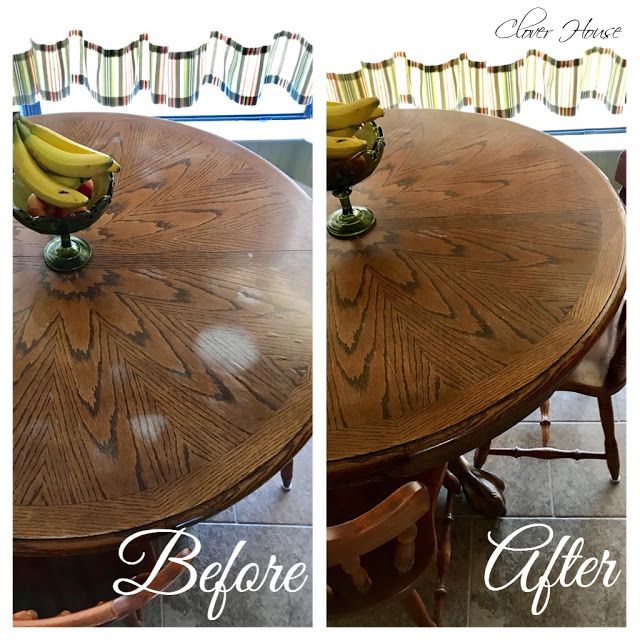
How to Remove Heat Marks from Wood Table: Easy Fixes & Prevention Tips
Few things are as frustrating as discovering a heat mark on table surface, an unsightly blemish that tells a story of a hot coffee cup or a forgotten serving...

Remove Deodorant Stains from Black Shirt: Easy Fixes & Tips
Deodorant stains on a black shirt are a frustrating reality for anyone who relies on antiperspirant to stay fresh. These stubborn white or grey marks, often...

Remove Iron Marks on Clothes: Easy Fixes & Tips
Those stubborn grey or brown rings left on collars, cuffs, and shirt shoulders after washing are more than just an eyesore; they are a sign of oxidized iron...

White Coating on Chocolate: Causes, Fixes & Prevention Tips
Finding a white coating on your favorite chocolate bar can be an alarming sight. Often mistaken for mold, this common occurrence is typically the result of a...

Remove Melted Fabric from Iron: Easy Fixes & Tips
A melted fabric disaster on your iron is more than an inconvenience; it is a sticky, smoky challenge that threatens to turn your essential pressing tool into a...