Deliciously Picky: Easy Toddler Recipes Parents Love
Navigating mealtimes with a picky toddler can feel like a daily battle, but it is a phase rooted in normal development rather than defiance. At this stage, children are asserting their independence and experiencing neophobia, a natural wariness of new foods that served an evolutionary purpose to protect them from potential toxins. The key to success is patience and strategy, focusing on repeated exposure without pressure, transforming the dinner table into a place of exploration rather than conflict.
Understanding the Picky Phase
Before diving into specific recipes, it is essential to understand why toddlers become picky eaters. Growth rates naturally slow down between the ages of one and three, which means their appetite decreases compared to infancy. They are also experiencing rapid sensory development, making them more sensitive to textures, colors, and smells that adults might barely notice. This biological filter is a survival mechanism; they are instinctively cautious about consuming unfamiliar items, which is why offering the same new food up to 15 to 20 times is often necessary before acceptance occurs.
Core Principles for Success
To effectively expand a toddler's palate, parents should adopt a division of responsibility in feeding. Parents are in charge of what, when, and where the food is served, while the child decides whether and how much to eat. This framework reduces power struggles and helps children internalize healthy eating habits. Consistency is vital; serving meals and snacks at predictable times prevents grazing, ensuring the child arrives to the table hungry and more willing to try new recipes for picky toddlers.


Strategy: The Rainbow Plate
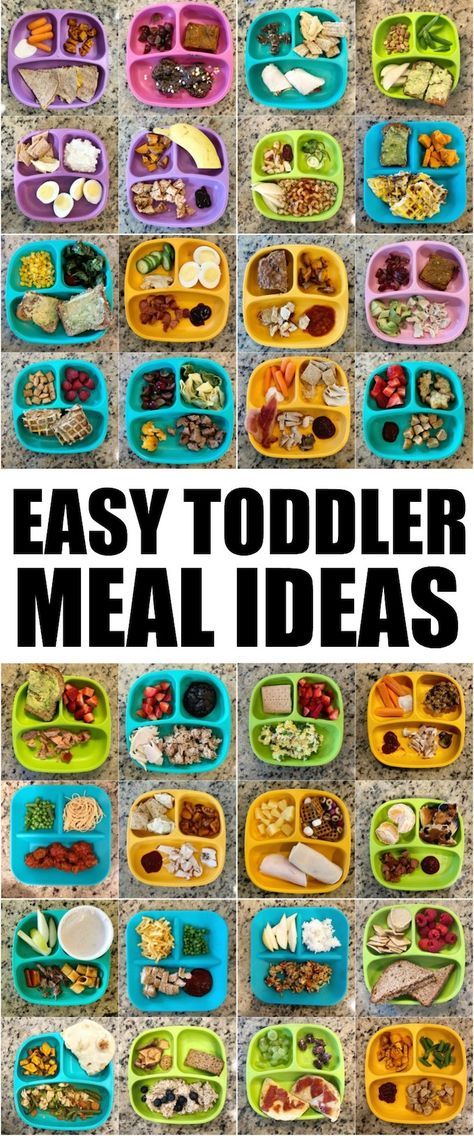
Visual appeal plays a massive role in a toddler's willingness to eat. Colorful foods signal variety and nutrition, making the meal more inviting. Aim to include at least three different colors on the plate at every meal. This does not mean preparing complicated dishes; simply pair a familiar favorite with two new colorful sides. For example, if serving their preferred plain pasta, add vibrant roasted cherry tomatoes and steamed broccoli florets to catch their eye.
Practical Recipe Ideas
The following recipes are designed to be adaptable, utilizing simple ingredients and minimizing complex flavors. They focus on incorporating vegetables and proteins into formats that are easy for small hands to manage. The goal is to pair nutrient-dense foods with familiar textures to lower the barrier to entry for the toddler.


1. Hidden Vegetable Mac and Cheese
Macaroni and cheese is a staple for a reason, but it can be a vehicle for sneaking in extra nutrients. By blending steamed cauliflower or butternut squash into the cheese sauce, you add creaminess and vitamins without altering the beloved taste. Use a sharp cheddar for strong flavor, which means you can reduce the total amount of cheese needed, incorporating the vegetable puree seamlessly into the classic dish.
2. DIY Mini Taco Bowls
Deconstructing a taco allows a picky eater to control exactly what they eat. Offer a base of soft rice or corn, a protein like seasoned ground turkey or black beans, and a variety of toppings. Let them build their own bowl with safe toppings like shredded cheese, diced avocado, and mild salsa. This interactive meal is engaging and allows them to pick and choose, which often leads to trying at least one new component.
| Ingredient | Purpose | Picky Toddler Adaptation |
|---|---|---|
| Ground Beef or Turkey | Protein | Use mild seasoning; mix into familiar rice or noodles |
| Soft Tortillas or Rice | Base | Cut into fun shapes or serve as a simple bowl |
| Steamed Vegetables | Nutrients | Dice finely or puree into sauces |
Making Treats Healthier
You don't have to eliminate sweets entirely to promote healthy eating. The trick is to swap out refined sugars and empty calories for nutrient-dense alternatives that still feel like a treat. Homemade snacks allow you to control the ingredients, ensuring your child is getting healthy fats and fiber alongside the sweetness. This teaches them that food can be both enjoyable and nourishing.


3. Energy Bites and Smoothies
Blending is one of the most effective methods for delivering nutrients to a child who refuses to chew solids. Combine ripe bananas, a handful of spinach (the sweetness masks the flavor), and a spoonful of nut butter or Greek yogurt for protein. Roll the mixture into small balls and coat them in coconut or crushed oats. These energy bites are portable, require no baking, and look like a treat rather than a vitamin supplement.


Related Articles

Easy Chicken Recipes for Picky Eaters: Deliciously Simple Meals
Navigating mealtime with a picky eater can feel like a daily challenge, especially when it comes to a protein as versatile as chicken. The key to transforming...

Delicious Ground Beef Recipes Picky Eaters Will Love
Preparing dinner for a picky eater can feel like navigating a minefield, especially when the culprits are textures, smells, and unfamiliar appearances. Ground...

Deliciously Popular Home Cooked Meals: Easy Recipes & Kitchen Ideas
Few things compare to the comfort and satisfaction of a plate piled high with a popular home cooked meal. In a world dominated by delivery apps and restaurant...

Instant Pot Easy Meals: 15 Deliciously Fast Recipes
Returning home after a long day often means facing the blank slate of a kitchen. The Instant Pot has revolutionized this moment, transforming it from a chore...

Deliciously Easy Cooking Recipes: Simple Meals in Minutes
Easy cooking recipes are the cornerstone of a sustainable and enjoyable home kitchen. Too often, the idea of cooking at home feels intimidating, associated...

Steam Zucchini Recipe: 10 Deliciously Easy Keto Recipes
Steam zucchini recipe offers a surprisingly delicious pathway to tender, vibrant vegetables that retain more nutrients than boiling. This gentle cooking method...