Durable Pine Wood Outside: Weathering Beauty & Fresh Ideas
Selecting pine wood for outdoor applications requires a nuanced understanding of the material’s characteristics. While often dismissed as too soft or prone to weathering, this versatile conifer offers distinct advantages when treated and maintained correctly. From the initial choice between pressure-treated options and exotic species to the final protective coating, every decision impacts longevity and aesthetic. This guide explores the practical realities of using pine in exterior settings, moving beyond simplistic assumptions to reveal its true potential.
Understanding Pine Wood's Natural Vulnerabilities
The primary challenge with pine wood outside lies in its inherent susceptibility to the elements. Unlike dense hardwoods, pine contains relatively soft fibers and natural resins that can break down when exposed to constant moisture and UV radiation. Without proper protection, you can expect to see significant changes within the first year of installation. These changes include graying from sun exposure, checking (cracking) along the grain, and potential warping as the wood dries unevenly.
Furthermore, pine is organic matter, which means it is a food source for insects and fungi. In regions with high humidity, untreated pine is particularly vulnerable to rot, especially in ground contact. The key to success is not to fight the material’s soft nature, but to work with it through proper sealing and surface preparation. Acknowledging these vulnerabilities upfront allows for a more effective and long-lasting outdoor installation.


The Advantages of Choosing Pine for Exterior Projects
Despite its challenges, pine remains a popular choice for outdoor structures due to significant benefits. Cost is the most immediate advantage; pine is considerably cheaper than cedar or tropical hardwoods, making it accessible for large-scale projects like decking or fencing. Additionally, the wood is readily available and easy to work with, allowing for straightforward cutting, drilling, and shaping for custom designs.
When properly finished, pine offers a warm, natural aesthetic that blends well with various architectural styles. It readily accepts stains and paints, allowing homeowners to customize the look to match their vision. For those seeking a rustic or traditional appearance, pine provides a character that is difficult to replicate with more sterile synthetic materials. Its versatility makes it a reliable option for a wide range of exterior carpentry.


Comparing Pine Variants for Outdoor Use
Not all pine is created equal when exposed to the outdoors. The species and treatment method dictate performance. Choosing the right type is the first critical step in ensuring durability.
| Type | Best For | Key Characteristics |
|---|---|---|
| Pressure-Treated (PT) | Structural framing, deck boards, fencing | Injected with chemicals to resist rot and insects; economical but may require sealing for optimal weather resistance. |
| Yard Pine (Construction Pine) | Temporary structures, internal framing | Soft and untreated; not recommended for direct ground contact or prolonged exposure. |
| Southern Yellow Pine (SYP) | High-strength applications, modern rustic looks | Dense and strong; holds finishes well but requires diligent maintenance outdoors. |
Essential Preparation and Installation Techniques
Proper installation is just as important as the wood selection. Allowing air to circulate around the wood is vital to prevent moisture from being trapped, which leads to rapid decay. Regardless of the project—whether it is a deck, a privacy screen, or garden edging—using proper fasteners and spacing is non-negotiable.
Fasteners should be coated or stainless steel to prevent rust, which can stain the wood and weaken the structure. Pilot holes are necessary to prevent the wood from splitting, especially near the ends of boards. By focusing on these technical details during the build, you create a stable foundation that will support the finish and extend the life of the pine significantly.


Finishing and Long-Term Maintenance Strategies
A finish is not merely a cosmetic touch; it is a shield against the destructive forces of nature. For pine used outdoors, a high-quality exterior-grade stain or a clear penetrating oil is essential. These products penetrate the wood fibers, protecting against UV damage and repelling water from within. Surface preparation is critical; the wood must be clean, dry, and smooth before any product is applied.
Maintenance is an ongoing responsibility. You should plan to inspect the wood annually and reapply finish every 12 to 18 months, depending on the exposure to the elements. Power washing should be done cautiously, if at all, as it can damage the wood fibers. Instead, gentle cleaning with soap and water is recommended to preserve the integrity of the finish and the wood itself.
Design and Aesthetic Considerations for Pine Outdoors
Working with pine allows for creative expression that is often more limited with harder, more expensive woods. Its pale color and straight grain provide a blank canvas for various design styles. Whether you are aiming for a clean, Scandinavian minimalism or a warm, farmhouse chic, pine can be stained to mimic more expensive woods or left bare to weather naturally to a distinguished silver-gray.


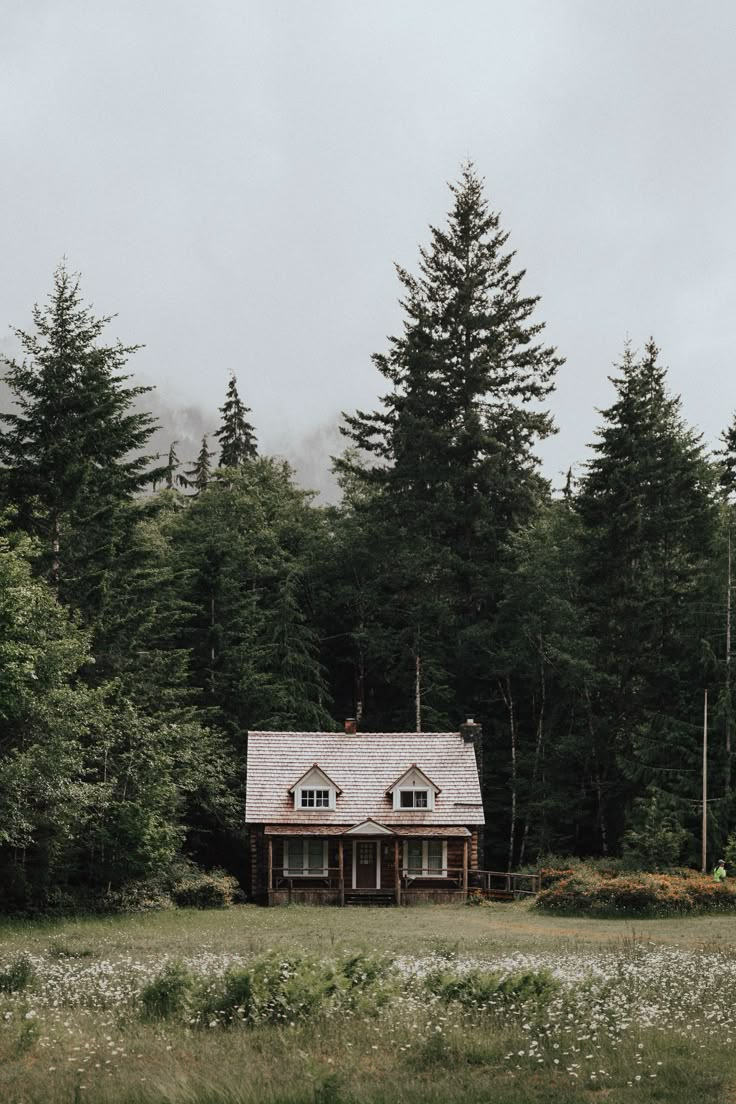


Consider the architectural context of your home. Pine trim around windows or on a front porch can add a touch of warmth without breaking the budget. When designing outdoor furniture, the slightly rustic nature of pine creates a cozy, inviting atmosphere that is perfect for relaxation. Embrace the character of knots and grain patterns, as these features contribute to the unique story of the wood.
Related Articles

Knotty Pine Flooring Ideas: rustic wood designs & trends
Knotty pine flooring brings a distinct character to any space, transforming a simple surface into a statement of natural beauty. This option celebrates the...

Stunning Maple Wood Floor Ideas: Warm, Durable & Stylish Home Design
Maple wood floor stands as a benchmark in residential and commercial interior design, prized for its enduring strength, subtle grain pattern, and ability to...

Wood Retaining Wall Ideas: Stunning & Durable Designs
For homeowners and landscapers seeking to merge structural integrity with natural beauty, a retaining wall with wood presents an exceptionally versatile...

Creative Basement Floor Ideas: Wood Tile Designs & Durable Solutions
Transforming a basement into a welcoming space starts with the foundation, quite literally, and basement floor ideas centered around basement tile wood offer a...

Rustic Pine Dining Chairs: Stylish & Durable Wood Furniture
Rustic pine dining chairs bring a warmth and authenticity to any dining space that is difficult to replicate with other materials. Often chosen for their...

The Ultimate Guide to the Best Glue for Wood Furniture: Strong, Durable & Easy Bond
Selecting the right glue for wood furniture is the unseen foundation of lasting craftsmanship. While the beauty of a piece often lies in the grain and finish...