Perc Test for Septic: Your Complete 2024 Guide & Pricing
For anyone navigating the complexities of rural property ownership or site development, understanding the perc test for septic is not just a formality; it is the cornerstone of a functional and legal wastewater system. This critical assessment determines whether the soil on a specific plot can adequately absorb and treat wastewater from a septic system. Without a successful perc test, also known as a percolation test, a property cannot obtain the necessary permits for a new septic installation or replacement, effectively halting construction or renovation plans.
The name "perc test" is derived from the process of measuring the rate at which water percolates, or sinks, into the soil. Professionals refer to this as the hydraulic conductivity of the soil. The primary goal is to ensure that the drain field—the area where wastewater is dispersed—can handle the volume of effluent produced by a household without causing surface runoff or contaminating groundwater. This evaluation is a non-negotiable step in the lifecycle of any on-site sewage facility, protecting both the environment and public health.
How the Perc Test Works: The Step-by-Step Process
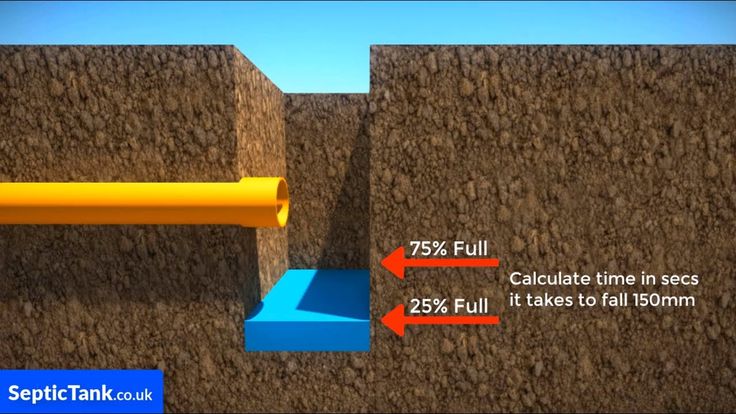
The procedure for a perc test is methodical and standardized to ensure consistent results. It typically begins with digging several small holes, known as test holes, to a depth that reaches the proposed level of the drain field pipes. These holes are then filled with a specific amount of water, and the rate at which the water level drops is meticulously recorded over a set period. This data provides a direct measurement of the soil's infiltration capacity, revealing whether it is too dense, like clay, or suitably porous, like sandy loam.


- Identifying the exact location and number of test holes based on property size and soil history.
- Saturating the test holes with water and allowing it to reach equilibrium.
- Measuring the drop in water level at regular intervals, usually every 15 minutes.
- Calculating the absorption rate to determine the required size and design of the drain field.
Interpreting Results and Soil Types
The results of a perc test are not a simple pass or fail, but rather a calculation that dictates the design of the septic system. If the water drains too quickly, it may indicate coarse sand or gravel, which could lead to rapid effluent flow and potential groundwater contamination. Conversely, if the water drains too slowly or not at all, it signifies heavy clay or compacted soil, which risks causing system backups and surface pooling. The "sweet spot" is a moderate, consistent absorption rate that allows for safe and effective treatment.
Variations in Testing Methods
Depending on local regulations and soil conditions, there are different approaches to conducting a perc test. The standard batch test involves filling holes and observing multiple cycles of wetting and drying. A constant-head test, often used in highly permeable soils, maintains a consistent water level to measure flow. In some cases, a deep-hole test is performed to evaluate conditions below the proposed drain field level. Understanding which method is appropriate for your property is best handled by a certified soil scientist or licensed professional.


The Role of Perc Tests in Real Estate and Regulations
Securing a perc test approval is often a critical milestone in real estate transactions, particularly for rural properties not connected to municipal sewer lines. Lenders and title companies require proof of a valid perc test to ensure the property can support a standard septic system. Furthermore, local health departments impose strict regulations on these tests to prevent environmental hazards. These rules govern everything from the timing of the test—such as avoiding dry summer months or frozen winter grounds—to the documentation and licensing required to perform them.
Common Challenges and Solutions
Property owners often face challenges related to perc tests, with failed results being the most common obstacle. This can occur on lots with restrictive soil profiles, leading to significant redesigns or the need for advanced treatment systems. Solutions may include installing a larger drain field, using raised beds to improve drainage, or implementing alternative systems like drip irrigation drain fields. In some instances, soil amendment or the creation of a sand mound system can salvage an otherwise unsuitable location, though these solutions require careful engineering and additional investment.
Why Professional Expertise is Essential
While the concept of a perc test seems straightforward, the execution and interpretation demand specialized knowledge. Hiring a qualified percolation test professional ensures compliance with local health codes and provides accurate data for designing a safe, long-lasting septic system. These experts understand local soil variances, can navigate complex regulatory requirements, and provide the documentation needed for permits. Investing in a thorough and professional percolation assessment is ultimately an investment in the value and functionality of your property.




Related Articles

Average Cost of a Chimney Sweep: Complete 2024 Pricing Guide
Homeowners often overlook the critical maintenance required for their fireplace until a problem arises. Understanding the average cost of a chimney sweep is...

Land Perc Test Cost: Clear Pricing Breakdown & Factors 2024
When planning a new construction or major renovation, understanding the ground beneath your feet is the single most critical step. A land perc test, short for...

Hydraulic Load Test Septic Cost: Pricing Breakdown & Factors 2024
Understanding the hydraulic load test septic cost is essential for any homeowner or property developer planning a new septic system installation or...

Cost of Concrete Septic Tank: 2024 Pricing & Installation Guide
Understanding the cost of a concrete septic tank is essential for any homeowner considering a new installation or replacement. This specific type of wastewater...

How a Cesspool Works: The Complete Guide to Understanding Your Septic System
At its core, a cesspool represents a crucial yet often overlooked component of rural and legacy residential wastewater management. Unlike modern systems, this...

What is a Soil Perc Test? Your Ultimate Guide to Soil Percolation Testing
When planning to build on a new plot of land, one of the first and most critical steps is understanding how the ground beneath your feet will behave. A soil...