The Ultimate Guide to Outdoor Paint for Terracotta Pots: Durable & Weatherproof
Terracotta pots are a staple in gardens and on patios, offering a rustic charm that complements any plant. However, their porous nature and light color mean they are not always ready for the elements. Choosing the right outdoor paint for terracotta pots is essential for both protecting the clay and expressing your personal style. This guide walks you through the process of preparing and painting your planters for long-lasting, vibrant results.
Why Terracotta Needs Special Paint
Unlike wood or metal, terracotta is a breathable, unglazed clay. This porosity is why it works so well for plant health, as it allows air and moisture to pass through the walls of the pot. Standard indoor paints or non-adherent coatings will crack and peel because they cannot handle this movement. You need a product specifically formulated to flex with the clay while providing UV protection and weather resistance. The right outdoor paint creates a barrier against rain, sun, and temperature fluctuations, preventing the pot from breaking down over time.
Types of Paint for Terracotta
Not all paints are created equal when it comes to adhering to unglazed clay. Water-based acrylics are the most popular choice due to their ease of use, quick drying time, and low odor. They bond well to the surface and offer decent flexibility. For extreme weather conditions or high-traffic areas, an oil-based enamel provides a harder, more durable finish, though it takes longer to dry and has a stronger smell. Milk paint is another excellent option for a matte, authentic look; it is extremely breathable and bonds tightly to the clay, making it ideal for historically accurate restoration or Mediterranean styles.


Preparing the Surface for Paint
Skipping preparation is the biggest reason outdoor paint jobs fail. Dirt, dust, or a manufacturing release agent on the clay will prevent the paint from sticking. Start by thoroughly cleaning the pot with soapy water and a stiff brush. If the pot is new, rinse it well to remove any residue. For old or previously painted pots, you may need to sand the surface lightly with fine-grit sandpaper to create a rough texture for the paint to grip. Always ensure the pot is completely dry before you move on to priming or painting.
The Role of a Primer
Using a dedicated primer is not optional; it is a critical step for longevity. A high-adhesion primer, such as a bonding primer or a stain-blocking primer, grabs the slick surface of the terracotta and provides a uniform base for the topcoat. This is especially important if you are painting a terracotta pot a drastically different color, like going from natural red to a deep navy or black. The primer seals the clay, preventing the natural minerals from bleeding through and ensuring the color you choose appears true and vibrant.


Application Techniques for a Smooth Finish
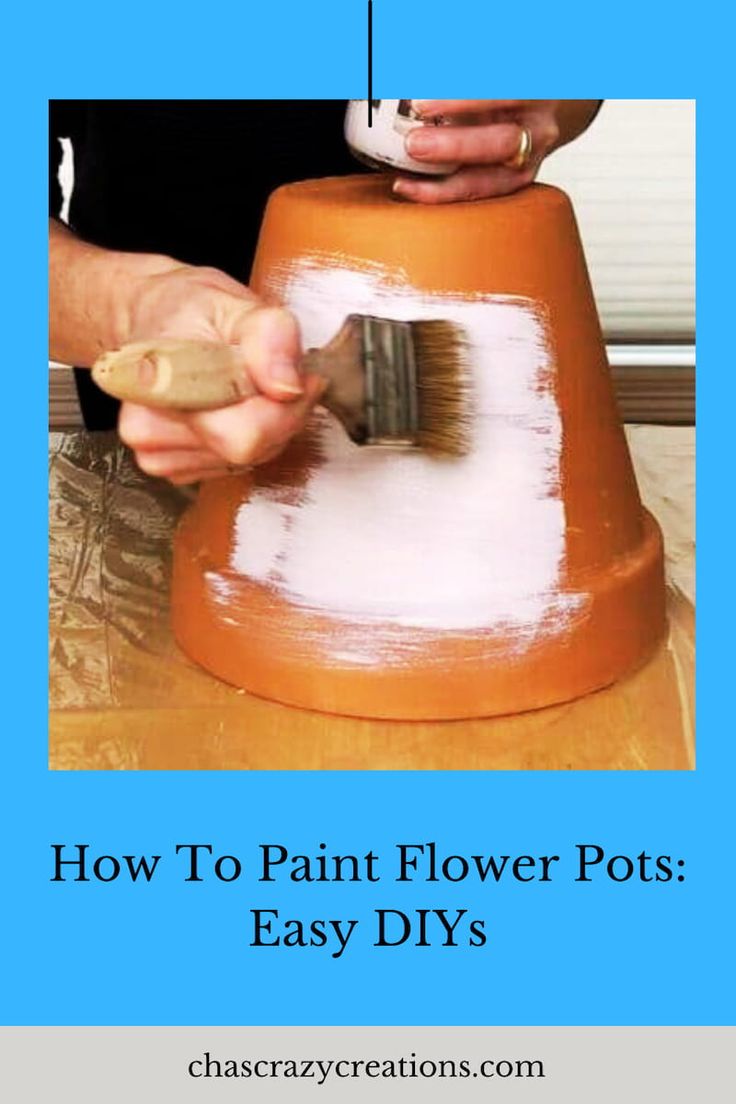
When you are ready to apply the color, thin your paint slightly with water if you are using acrylic. This allows the paint to flow into the tiny pores of the clay, creating a stronger bond. Use a high-quality synthetic brush for clean lines or a small foam roller for a smoother, stippled texture. Avoid applying thick coats; instead, use two or three thin layers to build up coverage. Pay attention to the drainage hole at the bottom of the pot, and consider lining it with a small piece of mesh or fabric before painting to prevent clogging.
Sealing and Protecting the Finish
Once your final coat of paint is fully cured—usually after 24 to 48 hours—apply a clear exterior sealant. This is the shield that protects your artwork from UV fading and moisture. A matte sealant is ideal for a natural look, while a satin or gloss finish will add extra depth and make the color pop. Choose a sealant that is waterproof and flexible, such as a polycrylic or a specialized outdoor topcoat. Without this layer, even the best paint will gradually fade and wear away with constant exposure to the elements.
Color and Style Inspiration
Terracotta is a versatile canvas that acts as a neutral, earthy tone. You can keep it simple with classic white or black paint for a modern, architectural look, or embrace the warmth of the clay with terracotta-inspired ombre effects. Bold colors like deep emerald, royal blue, or mustard yellow look stunning against the natural texture of the pot. If you prefer a soft aesthetic, consider distressed finishes or chalk paint styles, where the terracotta peeks through a worn layer of color, adding character and history to your gardening space.




Related Articles

Most Durable Outdoor Paint: Ultimate Weatherproof & Long-lasting Color
When it comes to revitalizing outdoor spaces, the choice of color is often the first consideration, but the selection of the most durable outdoor paint...

How to Paint Outdoor Plastic Furniture: A Durable Weatherproof Guide
Reviving a worn set of outdoor plastic furniture is one of the most rewarding DIY projects a homeowner can undertake. Rather than replacing faded or chipped...

The Ultimate Guide to Wicker Hanging Chair Outdoor: Stylish & Durable Garden Relaxation
Imagine stepping into your private sanctuary moments after a long day, the gentle sway of a wicker hanging chair outdoor dissolving stress as the evening...

The Ultimate Outdoor Pantry Cabinet: Durable & Weatherproof Storage Solutions
An outdoor pantry cabinet is more than just a piece of furniture; it is the command center for your backyard gatherings. Designed to withstand the elements...

Ultimate Outdoor Electrical Box Sealant Guide: Weatherproof & Secure Connections
Protecting your outdoor electrical installations is not just a matter of code compliance; it is a fundamental requirement for long-term safety and system...

The Ultimate Guide to the Best Terracotta Paint Colors for Your Home
Choosing the best terracotta paint colors can transform a room, adding warmth, depth, and an earthy sophistication that few other hues can match. This...