The Ultimate Guide to Choosing Oil for Outdoor Wood Furniture: Protection & Durability
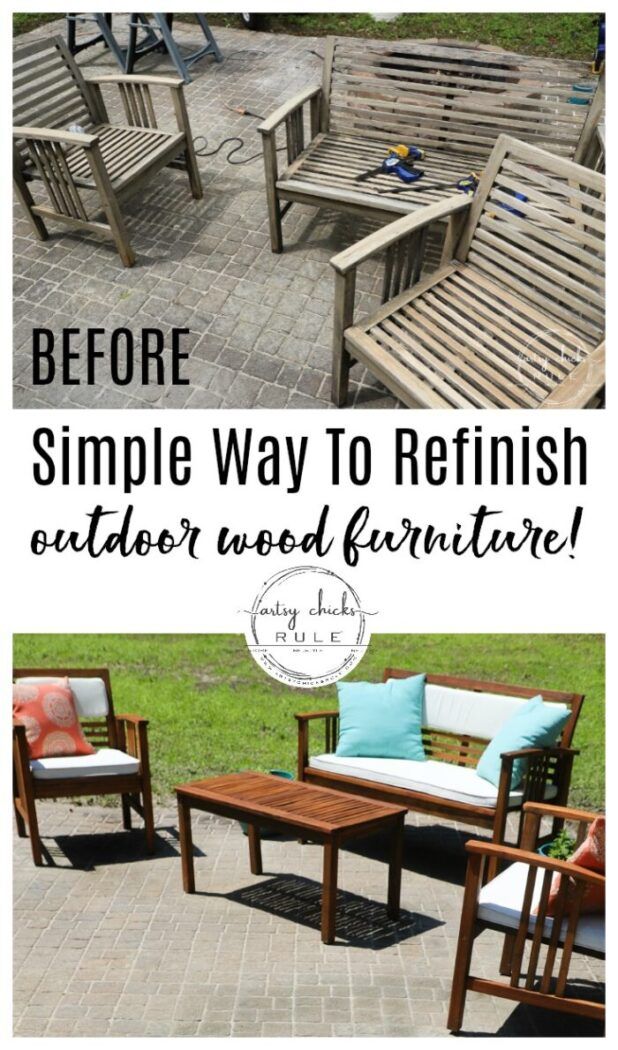
Outdoor wood furniture brings warmth and style to any patio, deck, or garden, but it faces a constant battle against the elements. Sun, rain, wind, and fluctuating temperatures work tirelessly to dry out, crack, and fade your cherished pieces. The single most effective way to defend your investment and keep your wood looking rich and vibrant is the strategic application of a high-quality oil specifically formulated for the outdoors.
Why Outdoor Wood Needs Special Care
Unlike furniture kept indoors, outdoor pieces are exposed to relentless moisture from rain and dew, followed by harsh UV exposure that bleaches the wood fibers. This cycle of wetting and drying causes the wood to expand and contract, eventually leading to surface checks and splits. Without protection, interior-quality oils or finishes will degrade quickly, leaving the wood vulnerable. Using an oil designed for exterior use creates a breathable barrier that allows the wood to "breathe" while repelling water deep within its structure, preventing rot and decay at its source.
The Science Behind Exterior Wood Oils
Not all oils are created equal, and understanding the difference between pure drying oils and modern protective formulations is key. Traditional oils like pure linseed or tung oil penetrate the wood and harden through oxidation, but they can remain vulnerable to UV breakdown and mildew. Modern outdoor wood oils are often hybrid formulations. They combine the deep-penetrating, nourishing benefits of natural oils with synthetic resins and UV inhibitors. This blend provides superior durability, ensuring the protective layer itself doesn't deteriorate into a chalky mess when exposed to the sun.


Key Benefits of Using Oil on Outdoor Furniture
Choosing to oil your outdoor wood offers a host of advantages that elevate it above other finishing methods. The primary benefit is water repellency, which prevents the wood fibers from absorbing moisture and swelling. This directly combats the growth of mold and mildew, which are common in damp climates. Furthermore, oil nourishes the timber, maintaining its natural flexibility and preventing the dreaded dry rot that makes wood brittle. Unlike opaque stains, oil enhances the grain, highlighting the natural beauty and depth of the wood without creating a plastic-like film.
Maintaining the Aesthetic Appeal
One of the most significant visual benefits of oil is how it ages. While sealed finishes might crack or peel over time, oil fades gradually and evenly, developing a graceful patina that many owners find desirable. Touch-ups are remarkably simple; a quick clean and a fresh coat revitalize the piece in a way that scraping and re-painting cannot. This ease of maintenance makes oil an ideal choice for homeowners who want a beautiful result without the high-maintenance labor. The right oil can also act as a subtle safeguard against stains from coffee rings or food spills, giving you more time to enjoy the gathering space.


How to Apply Oil for Maximum Protection
Achieving optimal results requires proper technique and timing. The process begins with thorough preparation; the wood must be completely clean and dry. Any old finish should be stripped down to raw wood, and the surface should be lightly sanded to ensure the new oil can penetrate effectively. Application is typically done with a clean brush or a lint-free cloth, working the oil into the grain generously. After allowing the oil to soak in for the recommended period, usually around 20 to 30 minutes, any excess should be wiped away. This prevents a sticky residue and ensures an even, rich finish.
Frequency and Best Practices
The longevity of the oil depends on the exposure level and the quality of the product. A general rule of thumb is to inspect the furniture at the start of each season. If the wood appears dry, feels rough, or has lost its water-beading ability, it is time to reapply. For high-traffic pieces like dining tables, this might mean an annual or bi-annual treatment, while side tables might only need oil every couple of years. Consistent care is the secret to extending the life of your outdoor investment, keeping the furniture looking newly crafted for years to come.
| Wood Type | Best Oil Type | Key Consideration |
|---|---|---|
| Teak | Teak Oil or Linseed Oil | Requires regular cleaning to maintain natural silvery patina if desired. |
| Eucalyptus / Acacia | Heavy-duty Exterior Oil | Durable hardwoods benefit from oils with strong UV protection. |
| Cedar | Penetrating Oil | Oils that enhance natural resistance to insects and moisture are ideal. |




Related Articles
Ultimate Guide to Weatherproof Furniture: Expert Tips for Outdoor Durability
Furniture is a significant investment, and like any major purchase, it deserves protection. Weatherproofing is not just for outdoor gear; it is a crucial step...

The Ultimate Guide to the Best Glue for Wood Furniture: Strong, Durable & Easy Bond
Selecting the right glue for wood furniture is the unseen foundation of lasting craftsmanship. While the beauty of a piece often lies in the grain and finish...

Do Pavers Need to Be Sealed? The Ultimate Guide to Protection and Durability
Pavers create stunning driveways, patios, and walkways, but their long-term performance depends on proper maintenance. One of the most frequent questions...

The Ultimate Guide to Choosing & Repairing an Old Outdoor Faucet
On many older properties, particularly those built before the 1980s, the old outdoor faucet represents a critical link between the home and the elements. Often...

The Ultimate Guide to Outdoor Board and Batten: Styles, Durability & Design
Outdoor board and batten siding transforms ordinary exteriors into striking statements of timeless craftsmanship. This classic design features vertical boards...

Heat Protection Spray: Ultimate Guide to Choosing the Best for Frizz-Free, Healthy Hair
For anyone who regularly styles their hair with a blow dryer, flat iron, or curling wand, heat protection spray is not an optional accessory—it is an essential...