Why Is My Ficus Dropping Leaves? 7 Fixes To Stop Leaf Fall
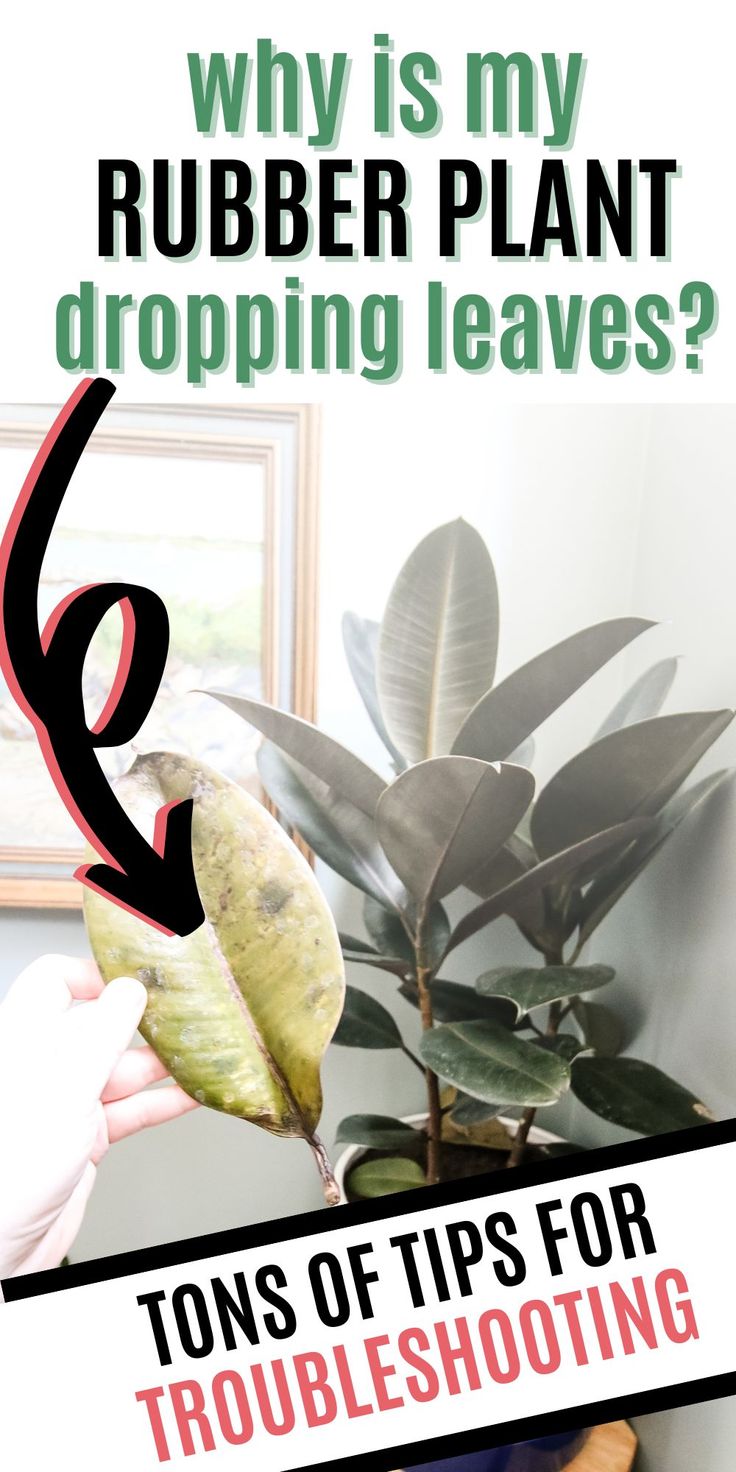
Noticing your ficus dropping leaves can be a worrying experience for any indoor gardener. This common reaction is often the plant's way of signaling that its environment is no longer meeting its specific needs. Ficus trees, known for their sensitivity, will typically shed foliage when stressed by changes in care or location. Understanding the precise cause is the first step toward bringing your plant back to full health and preventing further leaf loss.
Identifying the Cause of Leaf Drop
Because ficus plants are native to tropical Asia, they thrive in conditions that mimic their natural habitat. A sudden change in any of these stable conditions is the most common trigger for leaf drop. The plant essentially sheds leaves it cannot support under the new stress, conserving energy until conditions improve. Diagnosing the specific issue requires a careful review of the plant's recent history and current environment.
Environmental Changes and Relocation Shock
One of the most frequent reasons for a ficus dropping leaves is a change in its surroundings, a phenomenon often called relocation shock. Moving the plant from a bright spot near a window to a corner, or bringing it home from the nursery, can disorient the plant. Ficus plants are creatures of habit and prefer consistency; even a move across the room can cause significant stress. If you recently acquired the plant or rearranged your space, this is likely the primary culprit.


Watering Woes: Overwatering and Underwatering
Improper watering is another leading cause of ficus leaf drop, and the symptoms can be confusingly similar. Overwatering leads to soggy soil, which suffocates the roots and prevents them from taking up nutrients. Conversely, allowing the soil to dry out completely between waterings stresses the plant through dehydration. The key is to find a balance where the soil dries slightly at the top while remaining moist deeper down.
| Watering Issue | Effect on Roots | Visual Cue |
|---|---|---|
| Overwatering | Root rot and suffocation | Yellowing leaves with wet soil |
| Underwatering | Dehydration and nutrient deficiency | Dry, crispy leaves with bone-dry soil |
Light Intensity and Adjustment
Light is a critical factor for a healthy ficus, and improper lighting can easily lead to a ficus dropping leaves. These plants prefer bright, indirect light, and direct sun can scorch their leaves. However, placing them in a dim corner deprives them of the energy needed to sustain their foliage. If you notice new leaves dropping shortly after adjusting the light, the change may be too drastic.


Reviving Your Ficus Tree
Once you have identified the most likely cause, you can adjust your care routine to stop the ficus dropping leaves. Recovery takes time, so patience is essential. The goal is to stabilize the plant and create a predictable routine that mimics its ideal environment.
Steps to Stabilize Your Plant
Begin by assessing the soil moisture before taking any action. If the soil is waterlogged, allow it to dry out more between waterings and ensure the pot has proper drainage. If the soil is bone dry, soak the pot in a basin of water for an hour to rehydrate the root ball. Avoid fertilizing a stressed ficus, as this can burn damaged roots and exacerbate the leaf drop.
Long-Term Care for Ficus Health
Moving forward, consistency is the most valuable tool you have for maintaining your ficus. Water the plant on a schedule that aligns with its drying time, rather than adhering to a rigid weekly calendar. Wipe the leaves regularly to remove dust, which ensures the plant can photosynthesize efficiently. By maintaining stable temperatures and avoiding frequent moves, you create a sanctuary where your ficus will thrive and retain its lush canopy.




Related Articles

Why Is Your Easter Cactus Dropping Leaves? Solutions For Leaf Fall
Noticing your Easter cactus dropping leaves can be a worrying sight, especially just as the plant should be preparing for its seasonal bloom. This common issue...

Why Is My Fiddle Leaf Fig Dropping Leaves? 7 Fixes (+ Prevention)
Noticing your fiddle leaf fig dropping leaves can be unsettling, but this reaction is often a sign of stress rather than a death sentence. Understanding the...

Revive Your Drooping Fiddle Leaf: Causes & Fixes
Noticing your fiddle leaf fig leaves drooping is a common concern for many plant parents, signaling that their cherished focal point requires immediate...

Zucchini Leaf Eaters: Identify and Stop Bugs Eating Your Zucchini Leaves
Finding your zucchini leaves riddled with holes is a common frustration for home gardeners. While the plant often tries to compensate for this damage, a severe...

Why Is Your Lemon Tree Dropping Leaves? 7 Causes & Solutions
Leaf drop on a lemon tree is often the first and most alarming sign that something is wrong. While it is natural for any plant to shed older leaves as part of...

Money Tree Leaves Curling: Causes & Fixes for Healthy Ficus Plants
Money tree leaves curling is a common visual cue that the plant is under stress, signaling a deviation from its ideal environment. Unlike healthy, flat...