Murrells Inlet South Carolina: Your Guide to the Serene Marshside Escape
Murrells Inlet, South Carolina, presents a distinct vision of coastal living that balances serene natural beauty with a rich, enduring cultural legacy. Often described as a working waterfront community, this charming town is far removed from the bustle of major metropolitan centers, offering a slower pace that invites residents and visitors to breathe deeply and unwind. Its name is derived from Captain John Murrell, a notorious 19th-century pirate and slave trader whose activities once cast a shadow over this very inlet. Today, the location is synonymous with fresh seafood, marsh views, and a resilient spirit that has carried it through centuries of change, from colonial trade routes to the modern-day hospitality industry.
Geography and the Natural Landscape
Located in Georgetown County along South Carolina’s Grand Strand, Murrells Inlet occupies a unique geographical position between the bustling resort town of Myrtle Beach and the historic port city of Georgetown. The town is defined by its sprawling salt marshes, tidal creeks, and the serene Murrells Inlet waterway, which serves as the town’s primary geographic anchor. This intricate network of waterways forms part of the vast Waccamaw River system, creating a vital ecosystem that supports a remarkable diversity of wildlife. The landscape is characterized by gentle marshlands, dense maritime forests, and the wide, sweeping expanse of the Atlantic Ocean, offering a constantly shifting tableau of natural light and water.
Wildlife and Ecological Significance
The ecological importance of Murrells Inlet cannot be overstated, as it serves as a critical habitat for numerous species. The marsh grasses act as natural water filters and are essential nursery grounds for shrimp, oysters, and countless fish species. Birdwatchers are often rewarded with sightings of herons, egrets, ibises, and ospreys that patrol the skies and waterways. The area’s rich biodiversity makes it a living laboratory for environmental studies and a cherished sanctuary for nature enthusiasts. Preserving this delicate balance between development and the natural environment remains a core focus for the community, ensuring the inlet’s beauty endures for future generations.


History and Cultural Heritage
The history of Murrells Inlet is a tapestry woven with threads of maritime commerce, agricultural prosperity, and the complex legacy of the antebellum South. In the 18th and 1900s, the inlet was a bustling port where rice and indigo plantations along the Waccamaw River shipped their goods to global markets.GThe area’s economic backbone was built on the labor of enslaved Africans, whose contributions are an inseparable, though often painful, part of the local narrative. Following the Civil War, the focus shifted from grand plantation estates to smaller-scale fishing and timber operations, shaping the working-class identity that defines the town today. This layered past is not merely a subject of historical records but a palpable presence that informs the local culture.
The Fishing Village Legacy
For decades, Murrells Inlet was the undisputed “Seafood Capital of South Carolina,” a title earned through the hard work of generations of commercial fishermen. The sound of boat engines at dawn and the crisp air filled with the scent of the sea were the hallmarks of daily life. Fishermen in weathered boats would haul in catches of flounder, trout, and shrimp, supplying not only the local market but also restaurants up and down the coast. This heritage is celebrated annually during events like the Blessing of the Fleet, a tradition that honors the men and women who make their living on the water and reinforces the community’s deep connection to the ocean.


The Modern Culinary Scene
Perhaps the most immediate impression a visitor receives in Murrells Inlet is the vibrant and authentic culinary scene centered around its working waterfront. The town is famous for its fresh seafood, with numerous docksided restaurants where diners can choose their catch from the morning’s haul and watch it be prepared tableside. This direct-from-the-water-to-the-plate experience is a cornerstone of the town’s identity, offering a taste of the ocean in its purest form. Establishments range from casual, no-frills shacks legendary for their she-crab soup to more polished eateries that showcase Lowcountry cuisine with a contemporary flair, ensuring there is a flavor for every palate.
Architectural Gems and the Famous MarshWalk
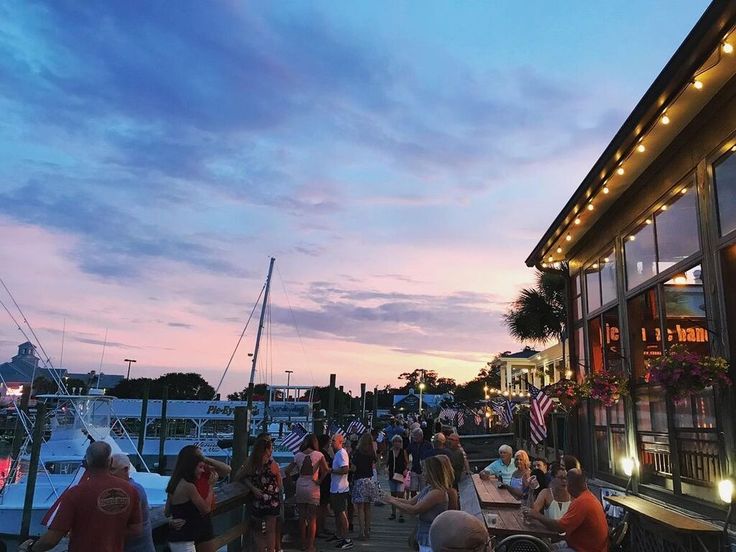
Strolling through Murrells Inlet is a journey through architectural history, with a streetscape dotted by structures that tell the story of decades past. The town is renowned for its collection of historic “marsh houses,” charming cottages built on stilts to withstand the test of time and tide. These picturesque structures, with their wide porches and weathered facades, provide the perfect vantage point to watch the world go by. The iconic MarshWalk, a half-mile-long boardwalk, serves as the town’s social artery, connecting visitors and locals alike to the water’s edge, where they can enjoy the sunset, listen to the calls of marsh birds, and take in the tranquil atmosphere.
Recreation and Community Life
Life in Murrells Inlet moves to the rhythm of the tide, offering a wealth of outdoor activities for those who embrace the coastal environment. Fishing is a perennial favorite, whether from the private piers of waterfront homes, the public fishing pier, or from a chartered boat heading into the deeper waters of the Atlantic. Kayaking and paddleboarding allow for quiet exploration of the intricate tidal creeks and marsh inlets, providing an intimate perspective on the natural world. For those seeking land-based activities, the nearby Huntington Beach State Park offers exceptional golf, pristine beaches, and the historic Atalaya Castle, a stunning architectural landmark that provides a window into the area’s unique past.


Ultimately, Murrells Inlet, South Carolina, offers more than just a destination; it offers a way of life. It is a place where the grandeur of the ocean meets the intimacy of a close-knit community, where history is not forgotten but is instead a foundation for a vibrant present. Whether you are seeking a peaceful retreat, a culinary adventure, or a chance to connect with the authentic soul of the Lowcountry, the inlet welcomes you with open arms and the timeless call of the marsh.




Related Articles

South Carolina Climate Zone Guide: Find Your Growing Region
South Carolina’s climate is defined by its humid subtropical characteristics, but the state also presents a fascinating transition zone. While the majority of...

Pawley Island South Carolina: Your Ultimate Coastal Getaway Guide
Pawley Island, located just off the coast of South Carolina, represents one of the most serene and authentic coastal destinations in the Lowcountry. This...

Master Beaufort South Carolina Pronunciation: Your Ultimate Guide
Visitors to the Lowcountry often find themselves drawn to the charming streets of Beaufort, South Carolina, yet the town's name frequently causes a moment of...

Kiawah Island South Carolina: Your Ultimate Coastal Paradise Guide
Kiawah Island, South Carolina, exists in a realm where time slows and the demands of the modern world fade against the backdrop of salt marsh and sea oats...

The Palm Beacher: Your Ultimate Tropical Escape Guide
The Palm Beacher represents a fascinating convergence of coastal luxury, architectural innovation, and environmental consciousness. This concept, often...

Enchanting South Korean Gardens: A Serene SEO Guide
South Korean gardens are living expressions of philosophy, where meticulously arranged stones, flowing water, and curated foliage create a dialogue between...