Mediterranean Crab Cakes Recipe: Crispy, Zesty & Easy to Make
The moment a golden-brown Mediterranean crab cake hits the plate, it announces a celebration of the sea. This is more than just a seafood dish; it is a culinary passport to the sun-drenched coastlines of Greece, Spain, and Italy. At its core, the recipe relies on the delicate sweetness of lump crab meat, which is carefully bound with minimal ingredients to let the ocean flavor shine. The goal is a texture that is simultaneously tender and firm, cracking gently under the bite rather than dissolving into mush. Achieving this balance is an art form, requiring patience and respect for the primary ingredient.
Unlike the heavy, creamy casseroles of other coastal cuisines, the Mediterranean approach is about purity of flavor. Fresh herbs like parsley and dill, a touch of garlic, and the bright zest of lemon create a profile that is clean and vibrant. This style of cooking reflects the principles of the Mediterranean diet, where fresh produce and lean proteins form the foundation of health and longevity. The result is a dish that feels light yet satisfying, making it perfect for a weeknight dinner or a sophisticated gathering. The key is sourcing quality crab, whether fresh, frozen, or pasteurized, as this dictates the success of the entire dish.
The Anatomy of the Perfect Cake
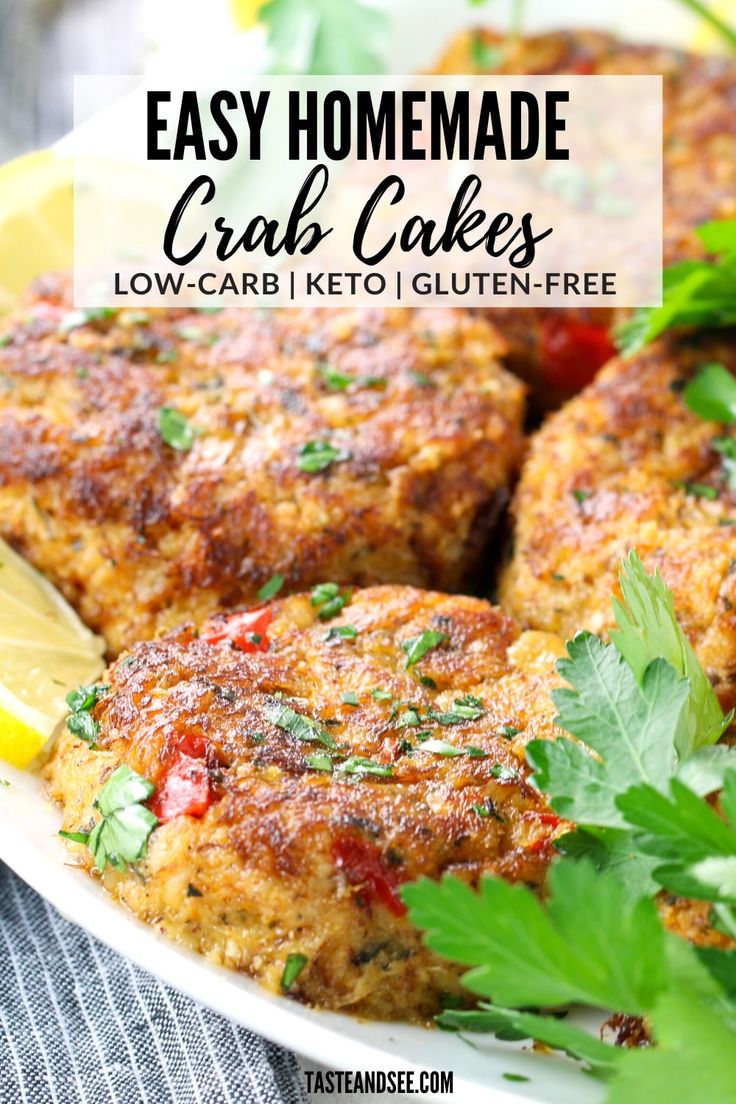
Deconstructing a great Mediterranean crab cake reveals a simple, almost minimalist formula. The foundation is always the crab meat, which should be handled with care to avoid breaking the lumps. To that, one finds a binding agent—often a mixture of egg white and breadcrumbs, or a classic French-style roux—to provide structure without overwhelming the crustacean. Aromatics like shallots, celery, and garlic are finely minced to integrate flavor rather than provide a chunky texture. Finally, the finishing touches include olive oil, lemon juice, and a whisper of spice, often coming from paprika or a dash of cayenne to enhance the natural sweetness of the shellfish.


Essential Ingredients and Substitutions
Crafting the ideal mixture requires a specific balance of components to ensure the cake holds together without tasting heavy. The ingredients list is short, but each plays a critical role in the final texture and taste. Below is a quick reference guide to the core components and smart alternatives for dietary needs.
| Core Ingredient | Role in the Cake | Common Substitute |
|---|---|---|
| Lump Crab Meat | Provides the primary flavor and texture | Shredded Cooked Fish (Monkfish or Cod) |
| Egg Whites or Whole Egg | Acts as the binding agent | Mayonnaise (for richness and moisture) |
| Breadcrumbs or Panko | Absorbs excess moisture and aids in structure | Gluten-Free Cracker Crumbs or Almond Flour |
| Fresh Herbs (Parsley, Dill) | Adds freshness and herbaceous notes | Fresh Chives or Tarragon |
The Cooking Technique: Pan-Frying Mastery
The method of cooking is just as important as the ingredients themselves. To achieve the signature crispy exterior and tender interior, pan-frying in a thin layer of olive oil is the most effective technique. The pan must be hot enough to create a immediate sear, but not so hot that the oil smokes and burns the delicate cake. Cook the cakes slowly, allowing the heat to gently warm the interior and set the binder without rushing the browning process. Resisting the urge to press down on the cakes with the spatula is crucial; pressing releases the precious juices and ruins the structural integrity of the cake.


Temperature control is the silent partner in this process. If the oil is too cool, the cake will absorb the fat and become greasy. If it is too hot, the outside will burn while the center remains raw. A medium-low to medium heat is generally the sweet spot, allowing for a gradual cook that develops deep, complex flavors. The visual cue is a deep golden-brown crust that resembles the color of sand against the sea. Listening for the gentle sizzle of the cake meeting the oil is often a better indicator than a timer, as stovetops and pan sizes vary widely.
Serving Suggestions and Flavor Pairings
The versatility of the Mediterranean crab cake lies in its ability to complement a wide array of accompaniments. A simple bed of arugula dressed in lemon vinaigrette provides a bitter contrast to the rich sweetness of the cake. Alternatively, serving the cakes atop a bed of creamy lemon risotto creates a luxurious, cohesive plate. For a lighter option, a side of roasted cherry tomatoes and grilled asparagus maintains the vegetable-forward theme of the cuisine. The goal is to enhance the crab, not compete with it.
When it comes to sauces, restraint is key. A classic lemon aioli or a tangy remoulade adds a creamy element without masking the delicate flavor of the seafood. A sprinkle of fresh chives or a drizzle of high-quality extra virgin olive oil right before serving adds a touch of elegance. Wine pairings follow the same logic: look for a crisp, acidic white wine like a Sauvignon Blanc or an Assyrtiko that cuts through the richness and refreshes the palate between bites.


Related Articles

Crispy Dumplings from Pancake Mix: The Ultimate Easy Recipe
Transforming a simple box of pancake mix into tender, delicious dumplings is a surprisingly easy and rewarding kitchen hack. This method leverages the familiar...

Can You Bake Crab Cakes? Crispy, Delicious Recipe Guide
Can you bake crab cakes? The short answer is a resounding yes. Baking is not only a viable method for preparing this delicate seafood favorite, but it is often...

Easy Crab Rice Recipe: The Ultimate Step-by-Step Guide
Mastering the art of crab rice is about more than just tossing some seafood into fried rice; it is a process of layering flavors to ensure that every grain of...

Easy Baked Crab Cake Recipe: Crispy & Delicious
Finding a reliable easy crab cake recipe baked is the holy grail for home cooks who crave the sweet, delicate flavor of seafood without the stress of...

The Best Pillsbury Meatloaf Recipe: Irresistible & Easy to Make
The classic Pillsbury meatloaf recipe represents a cornerstone of American comfort food, a dish that delivers satisfying flavor with a reliability that few...

Easy Pomegranate Simple Syrup Recipe: Sweet & Tangy Cocktail Topper
Making pomegranate simple syrup at home is a straightforward process that unlocks the jewel-like arils' deep, tart-sweet flavor for cocktails, beverages, and...