Lucky Bamboo Benefits: 7 Feng Shui Secrets for Health and Prosperity
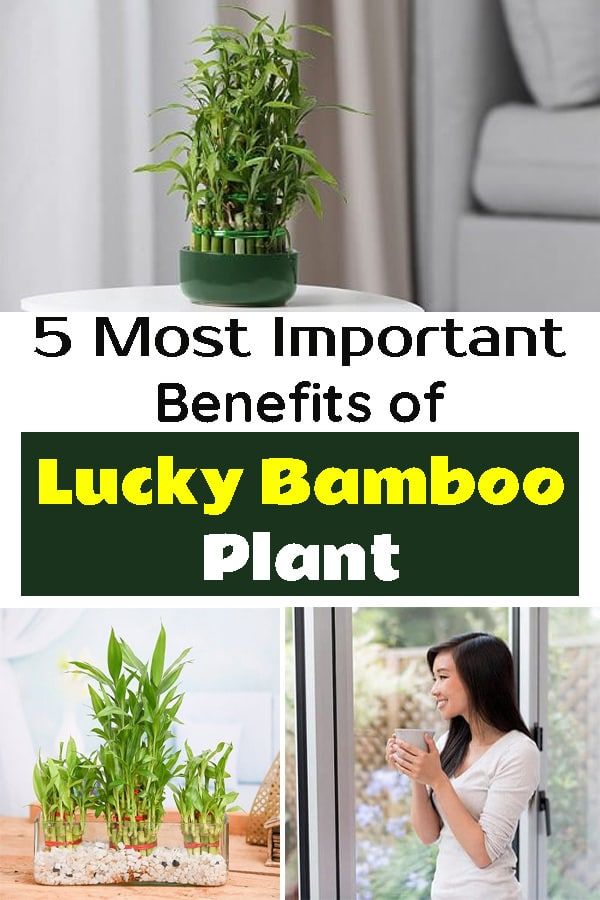
Often mistaken for a simple decorative houseplant, Dracaena sanderiana, or lucky bamboo, holds a profound place in the philosophy of feng shui and modern interior design. Far more than a decorative accent, this resilient green symbol is celebrated for its ability to transform energy flow within a space. Its straight, jointed stalk and lush green foliage are believed to invite a unique combination of vitality, harmony, and positive opportunity into any environment it inhabits.
The Roots of Positive Energy: Feng Shui and Symbolism
In the ancient Chinese practice of feng shui, the arrangement of one’s surroundings directly influences the flow of "chi," or life force energy. Lucky bamboo is a powerful conductor of this energy, specifically designed to attract "Fu," prosperity, and "Lu," good fortune and elevation in life. The number of stalks used carries specific meaning, with arrangements of three representing happiness, five representing the five elements of feng shui, and eight representing wealth and financial abundance.
Purifying the Atmosphere
Beyond its metaphysical properties, lucky bamboo functions as a natural air purifier, working quietly to create a healthier living or working environment. According to research, this plant is highly effective at absorbing indoor pollutants such as formaldehyde, benzene, and carbon monoxide. These harmful chemicals, often emitted from furniture, cleaning products, and building materials, are gradually filtered out, resulting in cleaner, more breathable air that supports overall well-being.


A Low-Maintenance Guardian of Health
The health benefits of lucky bamboo extend to the psychological and physiological realms. The presence of lush, green vegetation indoors has been shown to reduce stress levels, lower blood pressure, and improve mood. The simple act of caring for a living plant provides a mindful activity that can alleviate anxiety, while the visual tranquility of its flowing lines creates a calming atmosphere conducive to relaxation and focus.
Resilience and Adaptability
One of the most appealing aspects of lucky bamboo is its remarkable adaptability, making it an ideal plant for both seasoned gardeners and beginners. It thrives in water alone, eliminating the need for messy soil, or in well-draining potting mix. This flexibility allows it to be grown in unique vases, glass containers, or traditional pots. Furthermore, it tolerates low light conditions, though it flourishes in bright, indirect sunlight, proving that beauty and resilience can coexist with minimal effort.


Integrating the Plant into Modern Life
In contemporary settings, lucky bamboo serves as a versatile design element that bridges the gap between nature and modern aesthetics. Its clean lines and sculptural form make it a sophisticated choice for office desks, bedroom nightstands, or entryway consoles. Whether cultivated in a slender vase to symbolize purity or in a larger arrangement to command a sense of abundance, it serves as a constant visual reminder of growth, stability, and intention.
Care and Maintenance Guide
To ensure your lucky bamboo continues to thrive and radiate positive energy, adhering to a few simple care instructions is essential. The plant requires consistent moisture but detests being waterlogged, so changing the water weekly is crucial to prevent root rot. Filtered or distilled water is preferred over tap water, which often contains chlorine and fluoride that can damage the plant. Regularly rotating the pot ensures even growth, while occasional misting maintains the necessary humidity levels for optimal health.
| Care Element | Optimal Condition | Purpose |
|---|---|---|
| Water Source | Filtered or distilled water | Prevents chemical damage from chlorine |
| Light Exposure | Bright, indirect light | Promotes healthy growth without burning leaves |
| Water Change Frequency | Every 7 to 10 days | Maintains freshness and prevents bacteria |


Related Articles

Feng Shui Bonsai: Harmony, Health & Prosperity Secrets
The ancient practice of feng shui provides a framework for cultivating harmonious energy, or chi, within our living spaces. When combined with the living art...

Lucky Chinese Plants: Feng Shui Flora for Prosperity & Good Fortune
Within the intricate language of feng shui and the timeless rituals of East Asian culture, certain flora are far more than mere decorations. Chinese lucky...

Feng Shui Bamboo Plants: Grow Prosperity and Positive Energy
The feng shui bamboo plant is much more than a decorative piece; it is a living symbol of resilience and positive energy. Often mistaken for common grass, this...

Pothos Plant Symbolism: Meaning, Care & Lucky Feng Shui Secrets
The pothos plant, with its lush, trailing vines and vibrant green leaves, is a ubiquitous presence in homes and offices around the world. Beyond its undeniable...

Feng Shui Abundance: Unlock Wealth & Prosperity Secrets
Feng shui abundance is more than a trend; it is a holistic framework for cultivating a life of prosperity, balance, and grace. Rooted in the ancient...

Feng Shui Good Luck Plants: 8 Best Lucky Houseplants for Prosperity
Integrating feng shui good luck plants into your living space is one of the most organic ways to cultivate positive energy, or "chi." Unlike static decor...