DIY Litter Box Cover: Easy Hidden Litter Box Tutorials
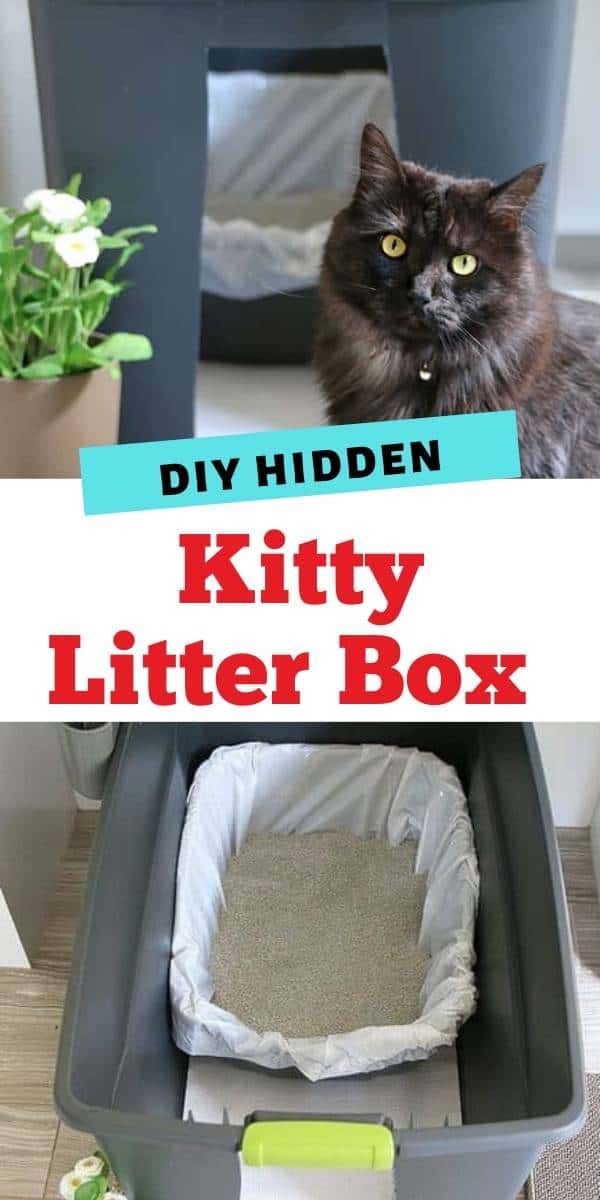
For many cat owners, the litter box is a necessary but often unpleasant reality. The constant smell, scattered litter, and occasional awkward placement can turn a peaceful home into a battleground of odors. A DIY litter box cover offers a practical and budget-friendly solution, transforming this essential item into a discreet and functional piece of your living space.
The Compelling Case for a Covered Litter Box
Before diving into construction, it is important to understand why you would want to undertake this project in the first place. The primary driver is odor control; a well-designed enclosure traps volatile compounds, significantly reducing the smell that can permeate a room. Furthermore, a cover provides privacy for your cat, making them feel more secure while they do their business. It also acts as a physical barrier, preventing litter from being kicked out of the box and onto your floor, which minimizes cleanup time and keeps the surrounding area much cleaner.
Design Philosophy and Material Selection
The success of your DIY litter box hinges entirely on the planning phase. You must decide between two main approaches: a permanent structure or a modular unit that allows for easy cleaning. For the former, consider using plywood or medium-density fiberboard (MDF) for the walls, ensuring you use a non-toxic finish. For the latter, PVC pipes or wooden dowels offer flexibility, allowing you to create a frame that can be easily disassembled for scooping. The choice of materials directly impacts the project's cost, durability, and appearance, so choose options that align with your skill level and aesthetic goals.


- Ventilation is critical to prevent moisture buildup and mold growth.
- Ensure there is enough space for your cat to turn around comfortably inside.
- Avoid using materials treated with harsh chemicals or varnishes.
- Consider the weight of the finished product; you want it to be stable but not impossible to move.
Step-by-Step Construction Guide
With your design locked in, it is time to move from theory to practice. Start by measuring your litter box’s dimensions, adding several inches to the length and width to determine the interior size of the cover. If you are building a top-entry system, you will need to construct a sturdy frame that can support your cat's weight when they jump in. Cutting the openings correctly is the most crucial step; you need to create a doorway that is low enough for your cat to enter easily but high enough to contain litter. A ramp or a low step might be necessary for older cats or those with mobility issues.
Advanced Features for the Modern Cat Owner
To elevate your DIY project beyond a simple box, consider integrating features that enhance functionality. Incorporating a carbon filter slot near the top can actively pull odors out of the air, acting as a high-tech solution to a common problem. If you are feeling particularly ambitious, you can design a cabinet-style enclosure that matches your existing furniture, turning an eyesore into a seamless part of your decor. This might involve adding cabinet doors or painting the structure to blend in with your walls. These additions transform a basic necessity into a sophisticated home improvement project.


Safety must remain a top priority throughout the process. Ensure that any edges are sanded smooth to prevent injury, and double-check that the structure is stable—wobbly boxes can cause anxiety or injury for your pet. You should also monitor your cat's reaction during the initial introduction phase; some felines are hesitant to use a confined space immediately. Placing a nightlight inside or near the entrance can help cats who are nervous about the dark, ensuring the transition to the new setup is a smooth and stress-free experience for everyone involved.
Maintenance and Long-Term Success
Building the litter box cover is only half the battle; maintaining it is what ensures long-term satisfaction. You will need to establish a routine for cleaning the interior surfaces to remove any accumulated dust or dander. Because the enclosure traps humidity, you must be diligent about changing the litter and washing the box itself more frequently than you would with an open setup. By committing to this maintenance schedule, you ensure that the health benefits of the DIY cover are realized, providing a fresh, hygienic environment for your cat and a pleasant atmosphere for your home.




Related Articles

How to Cover Air Vents in the Wall: Easy Solutions for Better Room Aesthetics
Blocking or covering an air vent in the wall is often one of the simplest ways to solve common home comfort issues. Whether you are trying to redirect airflow...

2024 Layered Hair Look: Trendy Styles & Easy Tutorials
The layered hair look has cemented its status as a cornerstone of modern hairstyling, offering a versatile solution for adding movement, texture, and volume to...

Handmade Valentine Cards: Easy DIY Tutorials for a Perfect Love Note
Creating a handmade Valentine card is a thoughtful way to express your affection that no store-bought option can replicate. The effort and personal touch...

Remove Hidden Bolt Toilet Seat: Easy Step-by-Step Guide
Facing a wobbly or damaged toilet seat is a common household issue, but the challenge is compounded when the mounting bolts are hidden behind the seat and lid...

How to Remove Tub Drain Cover: Easy Step-by-Step Guide
Removing a tub drain cover is often the first critical step in addressing clogs, replacing a worn stopper, or performing a deep clean. While it might seem like...

The Ultimate Guide to Killing Ground Cover: Fast & Easy Solutions
Ground cover plants can be incredibly useful, creating a lush, low-maintenance carpet that protects soil and suppresses weeds. However, when the species you...