Kimchi What Is It: The Ultimate Guide to Korea's Fermented Superfood
Kimchi is a traditional Korean side dish celebrated for its vibrant flavors, crisp texture, and remarkable health benefits. At its core, this iconic food is a form of fermented vegetables, most commonly napa cabbage and Korean radishes, seasoned with a bold mix of chili powder, garlic, ginger, scallions, and jeotgal, a salted seafood paste that adds depth and umami. While often recognized for its fiery red appearance, kimchi exists in a wide spectrum of colors, textures, and tastes, ranging from mildly spicy to intensely sour, depending on the region and family recipe.
Understanding the Fundamentals of Kimchi
The question "what is kimchi" can be answered simply, yet its significance runs deep within Korean culture and nutrition. It is a lacto-fermented dish, meaning it relies on natural bacteria to preserve the vegetables and create its signature tang. This ancient preservation method was essential in Korean households before refrigeration, allowing families to enjoy garden produce throughout the harsh winters. Today, it remains a daily staple, served with almost every meal, embodying the philosophy of balance between spicy, sour, salty, and sweet flavors.
The Essential Ingredients and Process
While variations are endless, the foundation of kimchi relies on a few key components. The primary ingredient is usually a hardy vegetable that can withstand fermentation. Napa cabbage provides a soft yet crisp bite, while Korean radishes (mu) contribute a juicy, peppery crunch. The seasoning paste, known as gochujang or gochugaru, delivers the heat and color, accompanied by garlic, ginger, onion, and spring onions. For a savory backbone, many recipes include saeujeot (salted shrimp) or myeolchi-kan (salted anchovy broth), although vegetarian versions omit these elements entirely.


- Primary Vegetables: Napa cabbage, Korean radish, cucumber, or eggplant.
- Flavor Base: Gochugaru (chili flakes), garlic, ginger, and scallions.
- Umami Enhancers: Fermented seafood like shrimp paste or anchovy stock.
- Fermentation Agent: Salt, which draws out moisture to create a brine.
Varieties and Regional Styles
To truly appreciate what kimchi is, one must explore its diversity. The most familiar version to the world is probably baechu kimchi, the spicy cabbage dish found in restaurants globally. However, the Korean peninsula boasts hundreds of subtypes. Oi-sobagi, for instance, stuffs cucumbers with spicy paste for a refreshing snack, while kkakdugi features cubed radishes with a gentle, soothing crunch. Some versions, like nabak-kimchi, are watery and cool, perfect for summer, whereas seonpo-tang is a hearty stew rooted in kimchi flavors.
White Kimchi vs. Red Kimchi
A significant distinction exists between white kimchi (baek-kimchi) and its red counterpart. White kimchi is made without the crucial ingredient of gochugaru, resulting in a pale, subtle flavor profile dominated by garlic and ginger rather than heat. This version is ideal for those who enjoy fermentation but prefer a milder experience. In contrast, red kimchi gets its iconic hue from gochugaru. The chili not only provides color but also acts as a natural preservative and contributes to the probiotic richness that makes the dish so beneficial for gut health.


Health Benefits and Nutritional Value
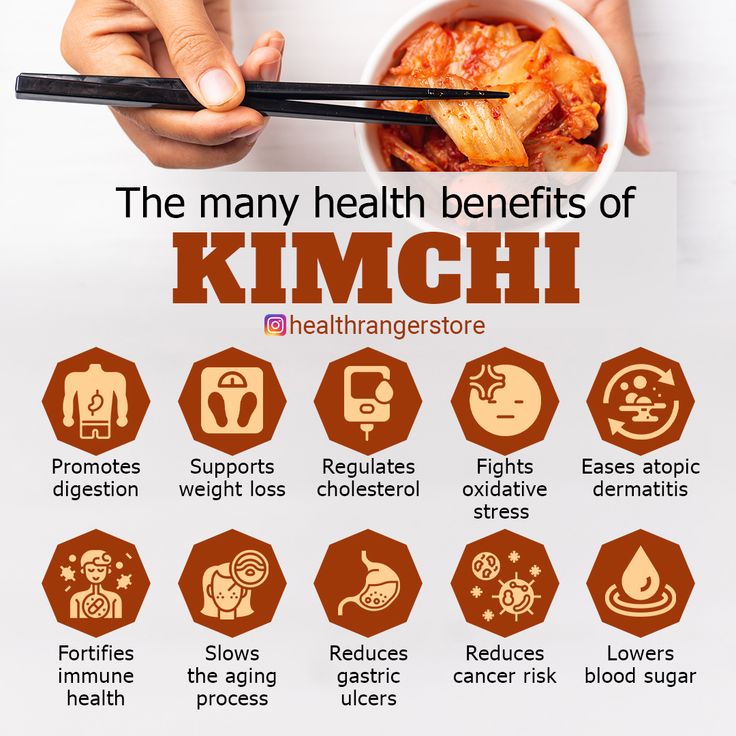
Beyond its culinary appeal, kimchi is a nutritional powerhouse. The fermentation process generates probiotics, the "good" bacteria that support digestive health and strengthen the immune system. Studies suggest that these beneficial microbes can improve gut flora balance, aid in lactose digestion, and even contribute to lower cholesterol levels. Furthermore, the vegetables used are low in calories but high in fiber, vitamins A, C, and K, and essential minerals. The capsaicin in the chili peppers adds a metabolic boost, making it a favorite for those watching their weight.
Culinary Uses and Modern Adaptations
Traditionally, kimchi is enjoyed as an banchan (side dish) alongside rice, grilled meats, and soups. Its role, however, has evolved far beyond the Korean table. Chefs worldwide incorporate it into burgers, tacos, and pasta, valuing its ability to cut through rich, fatty ingredients. Additionally, "fried rice" gains an authentic kick when mixed with chopped kimchi, creating a dish known as kimchi bokkeumbap. Even cocktails and ramen have found a home for this versatile ingredient, proving that kimchi is not just a food, but a flavor phenomenon.
Storage and Longevity
Proper storage is key to maintaining the quality of kimchi. Unopened jars can last for months in the refrigerator, though the flavor continues to intensify over time. Once opened, it is best kept submerged in its liquid to prevent exposure to air, which can cause mold. While the texture may soften after several weeks, the taste often becomes more complex. Freezing is also an option for those who wish to extend its life, though the crisp texture will change significantly, making it better suited for cooked dishes rather than fresh consumption.


Related Articles
What Is Kimchi: The Ultimate Beginner’s Guide To Korea’s Famous Fermented Dish
Kimchee, often spelled kimchi, is far more than just a spicy side dish; it is the vibrant heart of Korean cuisine and a testament to the ingenuity of food...

What Is Mesquite Meal: The Ultimate Guide To This Nutritious Superfood
Mesquite meal is a finely ground powder made from the dried pods of mesquite trees, primarily native to the arid regions of the American Southwest and Mexico...

Swiss Chard 101: The Ultimate Guide to This Superfood
Swiss chard often flies under the culinary radar, yet it is a powerhouse of nutrition and a workhorse in the kitchen. Botanically classified as Beta vulgaris...

What Does 1 Carat Mean? The Ultimate Guide to Diamond Size & Value
When you hear that a diamond is one carat, it is natural to picture a specific size or level of grandeur. The term carat refers to the unit of weight used to...

What is a Chinois Used For? The Ultimate Kitchen Essential Guide
A chinois is a conical strainer, typically made of stainless steel, that rests atop a bowl or pot. Its defining feature is the fine, mesh weave that acts as a...

The Ultimate Guide to Floral Art: Mastering the Language of Blooms
Floral art is the ancient practice of arranging living plant materials into intentional, expressive compositions. Far more than a simple collection of flowers...