Japanese Eggplant Roasted: Crispy Garlic Recipe
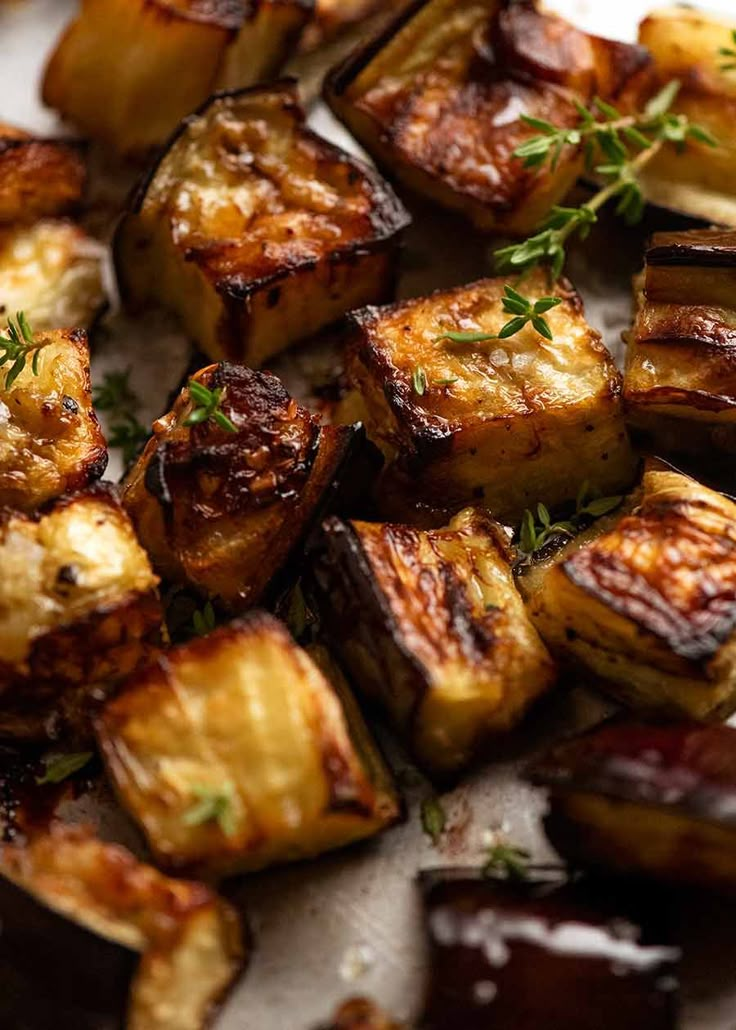
Few vegetables capture the essence of comfort food quite like Japanese eggplant, especially when treated to the transformative magic of the oven. Roasting this slender, delicate member of the eggplant family coaxes out a deep, smoky sweetness while creating a texture that is simultaneously creamy and satisfyingly firm. This method of preparation strips away excess moisture, allowing the flesh to caramelize and develop a complex flavor profile that is far more concentrated than its raw or sautéed counterparts.
The Science Behind the Sweetness
Understanding why roasted Japanese eggplant tastes so good requires a quick dive into food science. Eggplants, particularly the Japanese variety, contain a high water content and a slightly bitter compound known as solanine. The high heat of roasting effectively draws out this moisture through evaporation, concentrating the natural sugars and eliminating any lingering bitterness. Simultaneously, the Maillard reaction—a chemical process between amino acids and reducing sugars—occurs on the surface of the vegetable, creating a rich, brown crust that is the primary source of its deep, savory, and almost nutty flavor.
Selecting and Preparing for the Oven
Success begins at the grocery store or farmers' market. Look for Japanese eggplants that are firm, shiny, and vibrant in color, with smooth skin free of blemishes. They should feel heavy for their size and have a fresh, green stem. Preparation is remarkably simple: rinse the eggplant, trim off the stem end, and slice it into uniform rounds or lengthwise strips. For optimal results, salting the slices and letting them rest for 20 minutes before roasting is highly recommended. this process draws out any remaining excess moisture and further neutralizes potential bitterness, ensuring a superior final texture.


Essential Flavor Pairings and Seasoning
Japanese eggplant acts as a versatile canvas for a wide array of flavors, making it a staple in global cuisine. The key to a memorable roast lies in the quality of the seasoning. A base of olive oil is essential for conducting heat and promoting caramelization. From there, the possibilities are endless. Classic Mediterranean herbs like rosemary, thyme, and oregano provide an earthy backbone, while bold additions like garlic, ginger, and soy sauce introduce an umami-rich, Asian-inspired profile. A final sprinkle of flaky sea salt or a drizzle of toasted sesame oil after roasting adds a layer of textural contrast and flavor that elevates the dish from simple to sublime.
Step-by-Step Roasting Technique
achieving the perfect roast, temperature and time are critical. Preheat your oven to a high temperature, ideally between 400°F (260°C) and 450°F (230°C). This ensures the surface of the eggplant cooks quickly, locking in flavor and developing a desirable crust. Spread the prepared slices in a single layer on a parchment-lined baking sheet to prevent sticking and ensure even cooking. Roast for 20 to 30 minutes, flipping the slices halfway through, until they are tender when pierced with a fork and the edges are curled and deeply browned. The goal is to achieve a balance where the interior remains creamy while the exterior possesses a satisfying, slightly crispy texture.


Culinary Applications and Serving Suggestions
The beauty of roasted Japanese eggplant lies in its incredible versatility. It can serve as a star component in a rustic vegetarian grain bowl, paired with quinoa, chickpeas, and a zesty lemon-tahini dressing. Alternatively, it makes an exceptional topping for homemade pizza, adding a sophisticated smoky note that pairs beautifully with goat cheese and fresh arugula. For a more substantial meal, fold the roasted slices into a rich pasta sauce or use them as a flavorful base for vegan "carpaccio" thinly sliced and drizzled with a reduction. Its ability to absorb surrounding flavors makes it an ideal sidekick for grilled proteins or a hearty staple in a plant-forward meal.
Storage and Reheating Tips
To maximize the lifespan of your culinary creation, allow the roasted eggplant to cool completely before transferring it to an airtight container. Stored in the refrigerator, properly cooled roasted Japanese eggplant will maintain its quality for up to 4 days. While some moisture may be released upon reheating, this is easily remedied. The microwave offers speed, but for the best texture, reheating in a preheated oven at 350°F (175°C) or in a skillet with a splash of oil is recommended. this gentle process helps to restore a hint of the original roasted crispness, ensuring that every bite remains as delicious as the first.




Related Articles

Crispy Roasted Brussels Sprout Stalk Recipe with Garlic Parmesan
At first glance, the brussels sprout stalk might seem like an awkward byproduct of the farmers' market, destined for the compost bin. In reality, this core and...

Eggplant Tofu Chinese Recipe: Crispy Garlic Sauce이
Eggplant with tofu emerges as a cornerstone of Chinese home cooking, harmonizing delicate textures with a deeply savory sauce. This dish transforms simple...
Japanese Roasted Eggplant: Crispy Umami Delight
Japanese roasted eggplant, or yakinasu, represents a cornerstone of home cooking and restaurant dining across Japan. Unlike its often mushy Western...

The Ultimate Roasted Chicken Best Recipe – Crispy & Juicy
Few things in the culinary world are as satisfying as a perfectly executed roasted chicken best. The transformation of a simple bird into a dish with deeply...

Roasted Carrot Salad Recipe: Crispy, Tangy & Healthy
Few dishes capture the quiet alchemy of the kitchen as well as a roasted carrot salad. By transforming humble roots through high heat, natural sugars...

Roasted Sweet Potato Time: The Ultimate Crispy Recipe
Few kitchen staples deliver the same combination of comfort, nutrition, and versatility as the roasted sweet potato. Getting the roasted sweet potato time...