Is Vinegar and Water a Good Cleaner? The Ultimate Guide
Vinegar and water is frequently hailed as a natural, non-toxic cleaning solution, but how effective is this simple combination really? The short answer is yes, diluted white vinegar is a remarkably effective cleaner for many everyday tasks around the home. This dynamic duo works primarily through the power of acetic acid, a compound that cuts through grease, dissolves mineral deposits, and neutralizes certain odors. However, understanding its proper applications and limitations is essential for using it safely and effectively.
How the Vinegar and Water Cleaning Method Works
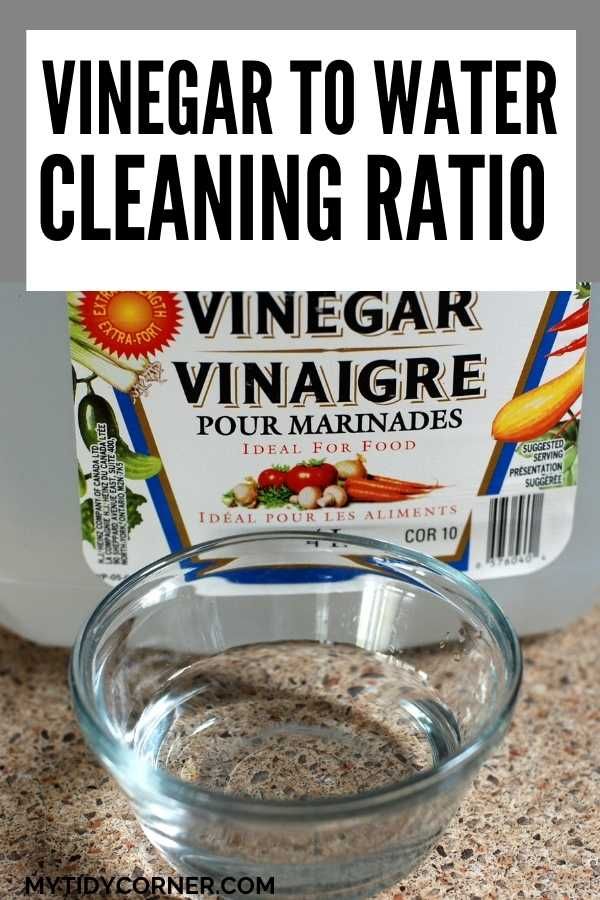
The cleaning power lies in the vinegar itself, which is typically a five percent acetic acid solution. When you mix this with water, you create a gentle yet effective solvent. The acetic acid acts as a solvent, breaking down the molecular bonds of grime, soap scum, and hard water stains. It also possesses antimicrobial properties, capable of killing many bacteria and viruses, although it is not a registered disinfectant for clinical purposes. Mixing one part white vinegar with one part water creates an ideal all-purpose solution that is potent enough to clean without being harsh or damaging to most surfaces.
Surface Compatibility is Key
Not all surfaces appreciate the acidic nature of vinegar, which is why context matters greatly. It is perfectly safe and highly effective on durable, non-porous surfaces like glass, countertops, porcelain sinks, and ceramic tile. For these applications, the vinegar solution cuts through fingerprints, coffee stains, and soap residue with ease. Conversely, you should never use this mixture on natural stone such as granite, marble, or limestone. The acid can etch the surface, destroying its polished finish. Additionally, avoid using it on hardwood floors or waxed furniture, as the acidity can strip the protective seal and cause damage.


Specific Household Applications
When used correctly, this mixture excels at tackling specific common household nuisances. In the kitchen, it is a fantastic degreaser for splashbacks and can easily remove mineral buildup from faucets and showerheads. For glass surfaces, a quick spray followed by a microfiber cloth rinse results in a streak-free shine that rivals commercial products. It also serves as an effective odor neutralizer; leaving a bowl of the solution in a room helps absorb unpleasant smells, and it can eliminate lingering odors from drains when poured down the disposal.
- Glass and Mirrors: Spray and wipe for a crystal-clear view.
- Faucets and Fixtures: Dampen a cloth, wrap the fixture, and let the solution dissolve limescale.
- Drain Maintenance: Pour down the drain to clear minor clogs and neutralize odors.
- Countertops: Effective on sealed laminate or tiled surfaces for daily cleaning.
Odor Elimination and Air Quality
Beyond surface cleaning, vinegar and water is a powerful tool for improving indoor air quality. Because it neutralizes odors rather than just masking them, it is ideal for dealing with pet accidents, smoke residue, or general mustiness. You can use the solution to wipe down surfaces where odors linger, such as pet beds or trash cans. While the scent of vinegar is potent initially, it dissipates quickly, leaving behind only fresher results. This makes it a preferable alternative to aerosol sprays that simply coat the nose with perfumes rather than cleaning the air.


Safety and Environmental Considerations
One of the most significant advantages of this cleaning method is its safety profile. Unlike chemical-laden products, it does not release volatile organic compounds (VOCs) into your home environment. This makes it a preferred choice for households with children, pets, or individuals with respiratory sensitivities. The solution is biodegradable and non-toxic, reducing the environmental impact of your cleaning routine. Remember to always label your homemade cleaning bottles clearly and store them out of reach of children to ensure safety.
While vinegar and water is a versatile and eco-friendly option, it is not a universal cleaner. It struggles to cut through heavy, baked-on greasy messes without the aid of hot water or scrubbing. For those specific jobs, a dedicated castile soap or dish detergent might be more efficient. Ultimately, white vinegar mixed with water is a cost-effective, versatile, and safe staple for your cleaning arsenal. Used strategically, it handles the majority of daily cleaning tasks while keeping your home free from harsh chemicals.


Related Articles

What Is CLR Cleaner Good For? The Ultimate Guide to Its Best Uses
CLR cleaner is a trusted name in the world of household cleaning, specifically designed to tackle stubborn mineral deposits, soap scum, and hard water stains...

The Ultimate Guide to Mop Water with Vinegar: Tips, Recipes & Benefits
For many homeowners and cleaning enthusiasts, the quest for an effective, non-toxic, and budget-friendly cleaning solution ends at the kitchen sink. A simple...

The Ultimate Guide to Watering Orchids in Bark: Step-by-Step Tips
Watering an orchid in bark is a fundamental skill that separates thriving specimens from struggling ones. While it might seem straightforward, the unique...

The Ultimate Guide to Hydroponic Water Treatment: Master Clean & Healthy Systems
Hydroponic water treatment is the backbone of any successful soilless cultivation system, serving as the critical process that ensures nutrient solutions are...

Sparkling Clean Decks: The Ultimate Cabot Deck Cleaner Guide
When it comes to preserving the beauty and longevity of your wooden deck, consistent maintenance is the single most critical factor. Among the various cleaning...

The Ultimate Guide to Water Hose Bib Replacement: Easy DIY Fixes & Best Parts
A dripping or frozen outdoor faucet is more than an annoyance; it is a direct pathway for water to waste and damage. The hose bib, the exposed valve you...