Is Coffee a Pre Workout? The Ultimate Caffeine Boost Guide
For many fitness enthusiasts, the morning ritual of brewing coffee feels indistinguishable from preparing for a workout. The familiar jitters, the surge of energy, and the heightened focus seem to overlap perfectly with the desired effects of a pre-workout supplement. This natural crossover leads to a common question: is coffee a pre workout?
The Science Behind the Stimulant
The primary reason coffee is effective as a pre-workout beverage lies in its caffeine content. Caffeine is a central nervous system stimulant that blocks adenosine receptors in the brain. This action reduces feelings of fatigue and increases the release of neurotransmitters like dopamine and norepinephrine, leading to improved alertness and mood.
Enhanced Physical Performance
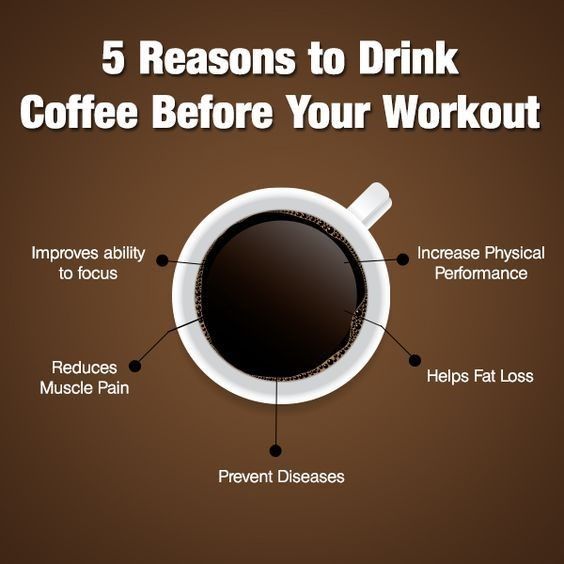
Research consistently supports the idea that caffeine can enhance physical performance. It stimulates the central nervous system, which can help an individual push through the fatigue barrier during a training session. This results in increased endurance, allowing for longer workout durations, and improved strength, enabling the lifting of heavier weights. For those asking is coffee a pre workout, the evidence suggests it is a highly effective ergogenic aid for optimizing effort and results.


Dosing and Practical Application
To replicate the effects of a standard pre-workout supplement, the timing and dosage of coffee are critical. The optimal window for consumption is about 30 to 60 minutes before training. This allows the caffeine to reach its peak concentration in the bloodstream. The effective dose is typically around 3 to 6 milligrams of caffeine per kilogram of body weight, which generally translates to 1 to 3 cups of coffee, depending on brewing method and bean variety.
| Timing | Benefit |
|---|---|
| 30-60 Minutes Before | Peak caffeine levels in blood |
| With Carbohydrates | May enhance glycogen storage and energy |
Synergy with Other Ingredients
While black coffee provides a potent caffeine hit, many people add ingredients to their brew to create a more comprehensive pre-workout drink. Adding a source of fast-digesting carbohydrates, such as a banana or a spoonful of honey, can help fuel high-intensity efforts. Furthermore, including a small amount of healthy fat, like MCT oil, can slow caffeine absorption, leading to a more sustained energy release rather than a sharp spike and crash.


Potential Downsides and Considerations
Despite its benefits, coffee is not a perfect pre-workout solution for everyone. One of the most common side effects is gastrointestinal distress, as caffeine can stimulate stomach acid production. Individuals sensitive to caffeine may also experience anxiety, jitters, or an increased heart rate, which can be counterproductive during a controlled training environment. Furthermore, because caffeine can disrupt sleep patterns, it is best avoided later in the day to prevent interference with recovery.
Coffee vs. Dedicated Supplements
Comparing coffee to commercial pre-workout formulas reveals distinct advantages and disadvantages for the question is coffee a pre workout. Coffee is a natural, accessible, and cost-effective option. However, dedicated supplements often contain a more complex matrix of ingredients, including beta-alanine, citrulline, and specific B vitamins, which target specific physiological pathways like lactic acid buffering and vascular dilation. For an athlete seeking a simple, natural boost, coffee is excellent, but for those chasing specific performance goals, a formulated product might offer more targeted benefits.


Related Articles

1 Cup of Coffee Caffeine: The Ultimate Energy Boost Guide
For the average coffee drinker, the morning ritual is less about the beverage itself and more about the biological handshake that delivers caffeine into the...

The Ultimate Espresso Coffee Caffeine Boost Guide
For the millions of people who rely on it to start their day, espresso is more just a ritual; it is a precise dose of energy delivered in a small, concentrated...
Is Coffee Good Before a Workout? The Ultimate Pre-Exercise Caffeine Guide
For many athletes and fitness enthusiasts, the ritual of a pre-workout coffee is as fundamental as lacing up training shoes. The question of whether coffee is...

Starbucks Black Coffee Caffeine: The Ultimate Energy Boost Guide
For many, the day does not truly begin until the rich aroma of Starbucks black coffee fills the air. This seemingly simple beverage serves as a foundational...

The Ultimate 8 oz Cup of Coffee Caffeine Boost for Energy
An 8 oz cup of coffee delivers roughly 95 mg of caffeine, though that number is far from universal. The exact amount depends on the bean variety, the roast...

How Much Caffeine Is in Iced Coffee? The Ultimate Guide
Understanding the exact caffeine content in your iced coffee is more complex than glancing at a menu. The term covers a wide spectrum of beverages, from a...