How to Write a Letter for Kids: Fun & Easy Steps
Writing a letter is a timeless skill that teaches children how to express their thoughts, organize their ideas, and connect with others through a personal touch. For kids, the process transforms abstract communication into a tangible keepsake they can hold, reread, and treasure. Learning this activity is less about perfect grammar and more about nurturing creativity, empathy, and confidence in their voice.
Why Letter Writing Matters for Children
In a world dominated by instant messages and emojis, taking the time to write a letter encourages mindfulness and intentionality. It helps children slow down and think critically about what they want to say. This practice supports the development of essential language skills, including vocabulary expansion, sentence structure, and narrative flow in a low-stakes, enjoyable way.
Building Empathy and Social Skills
When a child writes to a friend, family member, or even a fictional character, they practice perspective-taking. They learn to consider the recipient's feelings and interests, which fosters emotional intelligence. The act of composing a thoughtful message reinforces the idea that communication is a two-way street, strengthening existing relationships and building social awareness.


Planning the Letter: The Pre-Writing Stage
Before putting pen to paper, it is helpful to guide children through a simple brainstorming phase. This step ensures they have a clear purpose and reduces the pressure of staring at a blank page. Thinking about the "who," "what," and "why" of the letter provides a solid foundation for a coherent and engaging story.
Identifying the Audience and Purpose
- Who are they writing to? A grandparent, a best friend, a pet, or a favorite book character?
- What is the goal? Are they sharing exciting news, offering comfort, or simply saying "hello"?
- What tone fits? Should it be silly and playful or warm and sincere?
Structuring the Letter: Step-by-Step Guide
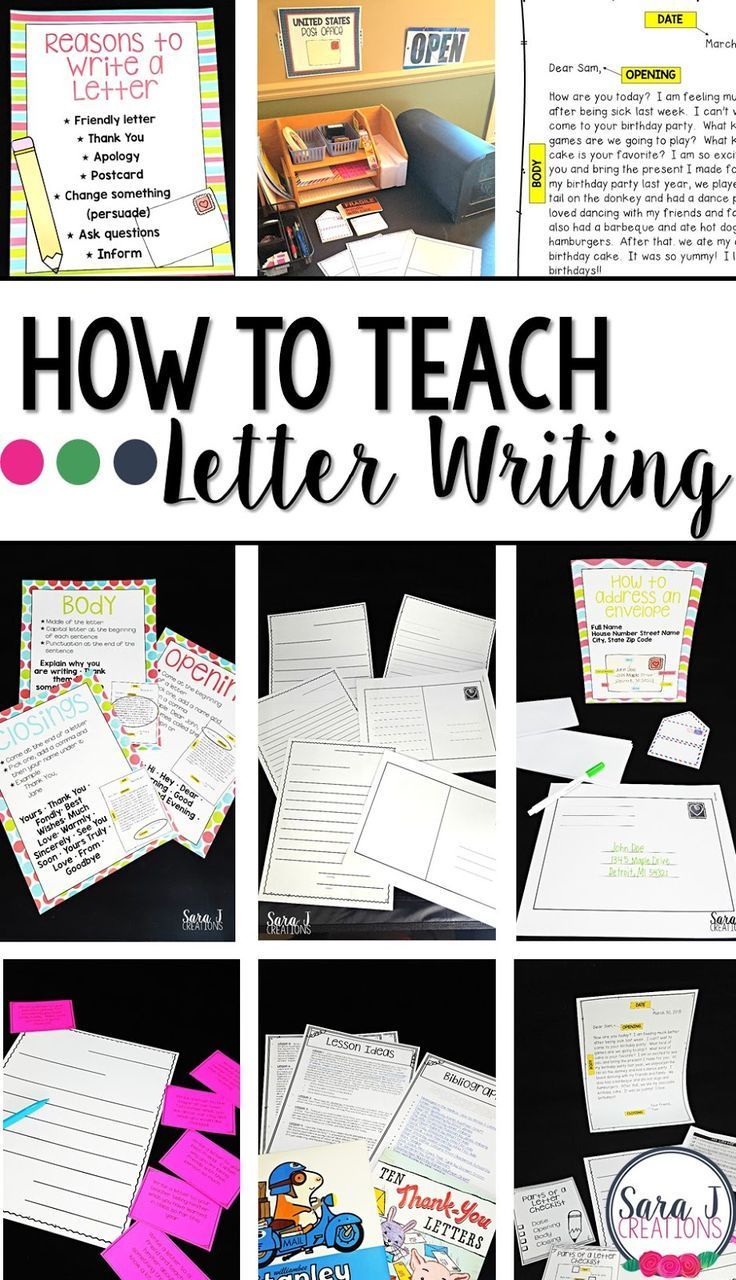
Teaching kids a clear structure makes the task manageable and helps them organize their ideas logically. A letter typically follows a familiar format with a beginning, middle, and end. Breaking it down into these sections allows children to focus on one part at a time, resulting in a more polished and enjoyable writing experience.


The Anatomy of a Great Letter
| Section | Purpose | Example for Kids |
|---|---|---|
| Greeting | To open the letter warmly | "Dear Grandma," |
| Body | To share the main content and details | "I wanted to tell you about my science project..." |
| Closing | To wrap up the message | "I hope to hear from you soon!" |
| Signature | To sign off personally | "Your loving, Alex" |
Adding Personality and Detail
Encourage children to go beyond the basic structure by adding specific details. Asking them to describe events using their five senses or include a funny memory makes the letter come alive. Suggestions to draw a picture, add a sticker, or write a postscript (P.S.) can make the process feel like a creative adventure rather than a school assignment.
Practical Tips for Young Writers
To keep the activity enjoyable, it is important to remove the fear of making mistakes. The focus should be on the effort and the sentiment rather than on perfect spelling or handwriting. Providing fun stationery, such as colorful paper or special pens, can also motivate children to sit down and create.
Overcoming Writer's Block
If a child is unsure where to start, offering prompts can spark ideas. Questions like "What was the best part of your week and why?" or "If you could have any superpower, what would it be?" provide a launchpad for their imagination. Keeping a "letter idea" jar filled with topics is a great way to turn writing time into a game.



Finalizing and Sharing the Creation
Once the letter is complete, the ritual of sending it becomes part of the magic. Helping a child address an envelope and drop it in the mailbox teaches them about the journey their words are about to take. Whether it is sent across town or across the world, the anticipation of a reply adds an exciting layer of suspense and joy to the entire process.


Related Articles

Creative Kids Room Wall Decals: Transform Their Space with Easy Stickers
Transforming a child's space into a personal sanctuary is one of the most rewarding projects for any parent. Kids room wall decals offer a unique and practical...

The Ultimate Guide to Freeze Fresh Cherries: Easy Steps & Best Tips
Preserving the vibrant flavor and texture of summer's bounty is a rewarding endeavor, and learning how to freeze fresh cherries is one of the most effective...

DIY House Leveling: Easy, Affordable Steps to a Perfectly Level Home
DIY house leveling is a foundational project that transforms uneven floors and sagging structures into safe, functional living spaces. Many homeowners face the...

Creative Easter Art Lessons for Kids | Easy Spring Painting Projects
Easter art lessons provide a vibrant gateway to exploring seasonal themes, cultural history, and fundamental creative skills. These structured activities...

Easy Ratatouille Recipe: Simple Steps to Delicious Vegetable Stew
Ratatouille is far more than a simple vegetable stew; it is a celebration of seasonal produce, slow-cooked harmony, and rustic French comfort food. This...

The Ultimate Guide to How to Buy Bitcoin in 2024: Safe & Easy Steps
Buying Bitcoin for the first time can feel like navigating a new financial frontier, but the process is more straightforward than it initially appears. This...