The Ultimate Guide to Using Tretinoin Cream: Tips & Results
Tretinoin cream remains one of the most researched and effective topical treatments for a variety of skin concerns, from acne to visible signs of aging. However, its power comes from a specific mechanism that requires a precise approach to use. Understanding how to integrate tretinoin into your skincare routine correctly is the difference between experiencing its transformative benefits and dealing with unnecessary irritation. This guide provides clear, step-by-step instructions to help you use this retinoid safely and effectively.
Understanding Tretinoin and Its Mechanism
Before diving into the application steps, it helps to understand what tretinoin does at a cellular level. Tretinoin, a form of vitamin A, accelerates cell turnover and stimulates collagen production. This addresses both surface-level issues, like clogged pores and dark spots, and deeper concerns like fine lines and uneven texture. Because it increases skin cell renewal, the stratum corneum—the outermost layer of skin—becomes thinner initially, making it more vulnerable. This biological action is why applying it correctly is not just a suggestion but a necessity for success.
Step-by-Step Application Guide
Mastering the "how" is crucial for results. Follow this structured routine to ensure your skin adapts smoothly and reaps the rewards without adverse effects.


1. The Cleansing Phase
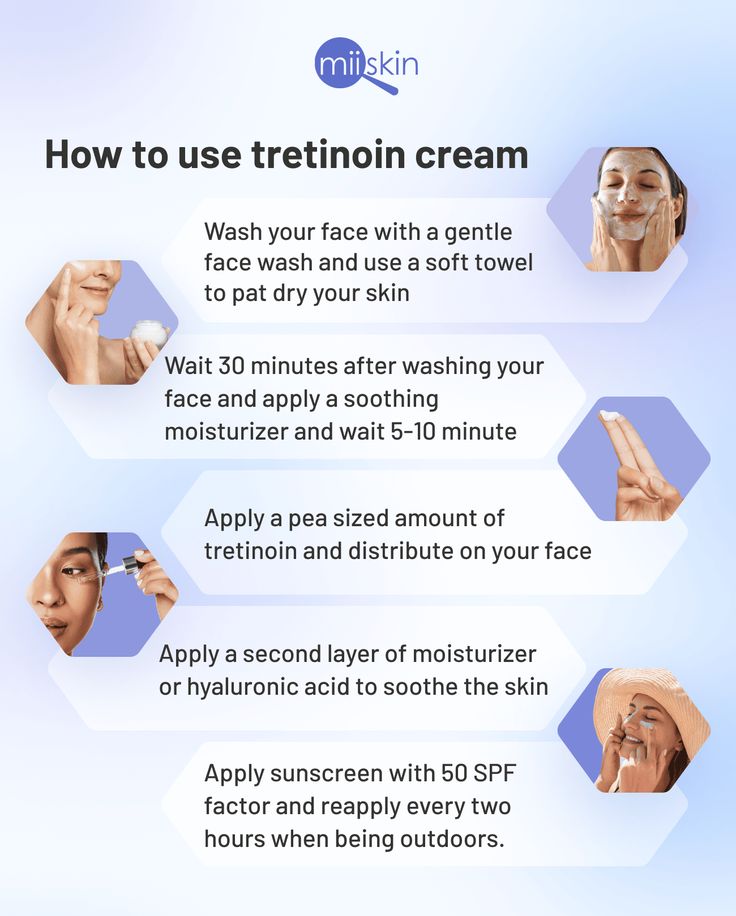
Always start with clean skin, but the method of cleansing matters. Wash your face with a gentle, non-foaming cleanser to remove dirt and oil without stripping the skin barrier. Avoid harsh scrubs or exfoliating washes on the nights you apply tretinoin, as this can lead to over-exfoliation. Pat your skin completely dry with a clean towel; moisture left on the surface can deactivate the active ingredient or cause friction.
2. The Waiting Period and Buffer Method
Dermatologists often recommend the "buffer method" for beginners or those with sensitive skin. After your face is dry, wait about 20 to 30 minutes to ensure any residual dampness evaporates. Then, apply a light layer of moisturizer to dry skin. Once the moisturizer has absorbed, apply a pea-sized amount of tretinoin to your acne-prone or target areas. The moisturizer acts as a buffer, reducing the concentration of the tretinoin that penetrates the skin, which minimizes the risk of redness and peeling.


Frequency and Timing
Consistency is more valuable than intensity when it comes to retinoids. You cannot rush the results, but you can sabotage them by overusing the product.
- Start Slow: Begin by applying tretinoin every third or fourth night. This allows your skin to build tolerance.
- Listen to Your Skin: If you experience persistent burning, itching, or severe flaking, scale back to using it only twice a week.
- Nighttime Use: Always apply tretinoin before bed. Sunlight deactivates the ingredient, and wearing it under SPF during the day can trap UV damage.
Managing Side Effects and Safety
Initial side effects like dryness, redness, or mild peeling are common, often referred to as "retinization." However, there are ways to mitigate these issues.
To combat dryness, layer a hydrating serum containing hyaluronic acid beneath your moisturizer. Avoid combining tretinoin with benzoyl peroxide or physical scrubs on the same night, as this can lead to severe irritation. Always apply a broad-spectrum SPF 30 or higher in the morning, as tretinoin makes your skin significantly more photosensitive. If you experience persistent discomfort or a severe rash, consult a dermatologist immediately rather than discontinuing your entire regimen without guidance.


Long-Term Maintenance and Storage
Once you reach your desired results, you may adjust usage to maintain them. Some individuals find success using tretinoin nightly long-term, while others rotate it with other treatments. Proper storage is critical to maintaining potency. Tretinoin degrades when exposed to light and air. Always keep the tube tightly closed and store it in a cool, dark cabinet. If the texture changes or develops an off odor, discard it, as degraded tretinoin can irritate the skin without providing benefits.



Related Articles

The Ultimate Guide to Using Pond's Cold Cream: Glow Naturally
Ponds Cold Cream has stood the test of time as a classic skincare staple, often sitting in the back of bathroom cabinets for decades. While newer, trend-driven...

The Ultimate Guide to Wooden Blinds Cleaner: Expert Tips for Flawless Results
Maintaining the pristine appearance of your home involves attention to detail, and window treatments often bear the brunt of daily dust and grime. Wooden...

The Ultimate Guide to Using Bleach in Laundry: Expert Tips for Whiter Clothes
Using bleach in laundry is one of the most effective ways to achieve brilliant whites, eliminate stubborn stains, and ensure your family’s clothes are...

The Ultimate Guide to a Super Moist Cake: Foolproof Tips for Bakery-Perfect Results
There is a distinct moment of panic every baker has faced: the cake emerges from the oven, yet it looks more like a dried brick than the tender, lofty dessert...

The Ultimate Guide to Paint Brick Gray: Expert Tips & Stunning Results
Selecting the right color for a renovation or new build is often the most critical decision a homeowner faces, and choosing paint brick gray has become a...

The Ultimate Guide to Using Vinegar for Cleaning Vinyl Siding: Safe & Effective Tips
Vinegar for cleaning vinyl siding has become a popular topic among homeowners looking for a safe, affordable, and effective solution. This mild acid cuts...