The Ultimate Guide to Treating Thrips: Expert Solutions for a Thrip-Free Garden
Thrips are among the most persistent and damaging pests that can invade a garden or infiltrate a commercial greenhouse operation. These tiny, slender insects feed by puncturing plant cells and sucking out the contents, which leads to visible and often irreversible damage. Managing an infestation requires a strategic, multi-step approach that combines vigilant monitoring, targeted biological controls, and, when necessary, precise chemical intervention.
Identification and Understanding the Thrips Lifecycle
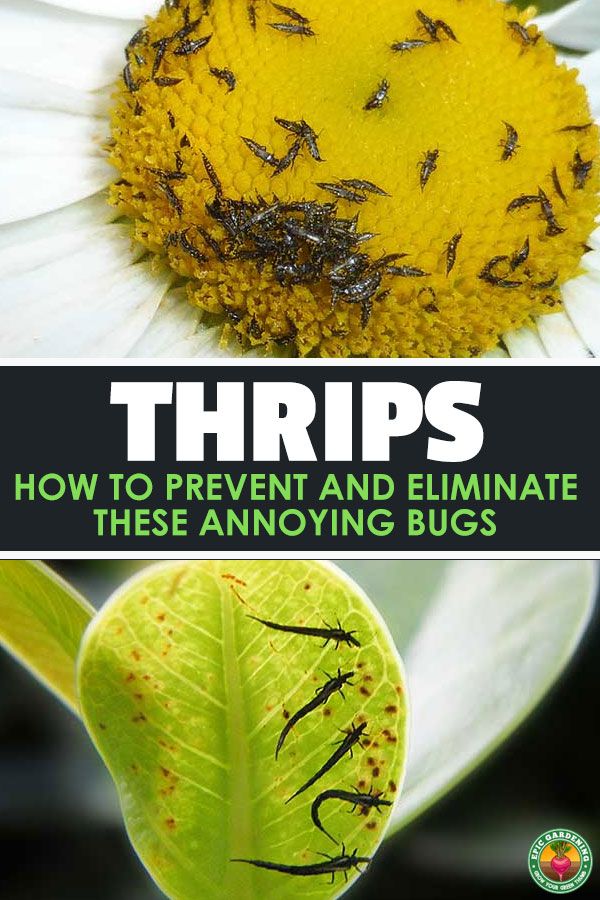
Before initiating treatment, accurate identification is critical to ensure you are targeting the correct pest. Adult thrips are slender, measuring less than 1/16 of an inch, and vary in color from translucent white to dark brown or black. The nymphs, which do not possess wings, are typically smaller and creamier or yellowish in color. Understanding their lifecycle is essential for effective treatment; they undergo two distinct inactive stages in the soil before maturing into adults. This habit of sheltering in the ground makes surface-level applications ineffective and necessitates methods that can reach the developing larvae.
Mechanical and Physical Removal Strategies
For small-scale infestations or indoor houseplants, mechanical control can be a highly effective first line of defense. A powerful stream of water can be used to physically knock thrips off the plant, disrupting their feeding cycle without the use of chemicals. Following this, applying insecticidal soap directly to the leaves, stems, and, if possible, the soil surface can smother the insects on contact. Ensure thorough coverage, as the soap must contact the pest directly to work, and repeat applications may be necessary to catch newly hatched nymphs.


Sticky Traps and Pruning
- Utilize blue or yellow sticky traps placed at soil level to capture adult thrips moving toward the plant.
- Prune and immediately destroy any heavily infested or damaged foliage to reduce the overall population.
- Dispose of all pruned material in a sealed bag to prevent the pests from migrating back to the plant.
Biological Control Options
Incorporating biological controls offers an environmentally sustainable method of managing thrips populations, particularly in organic settings. Predatory mites, such as *Neoseiulus cucumeris*, are highly effective as they actively hunt and consume thrips larvae. Another beneficial insect, the minute pirate bug, is a voracious predator that targets both adult thrips and their eggs. Introducing these natural enemies creates a balanced ecosystem that can keep thrips numbers below the damage threshold without relying on synthetic chemicals.
Chemical Insecticides and Systemic Treatments
When dealing with a severe outbreak, chemical interventions become necessary to halt rapid population growth. Contact insecticides, such as spinosad or pyrethrin-based products, provide a quick knock-down effect but require precise application to hit the mobile adults. For persistent infestations, systemic treatments are highly effective; these are applied to the soil or directly to the plant's vascular system and render the entire plant toxic to feeding insects. While this method is efficient, it should be used cautiously to protect pollinators like bees.


Rotation and Resistance Management
Thrips are known to develop resistance rapidly if the same chemical mode of action is used repeatedly. To combat this, it is crucial to rotate between different chemical classes during treatment cycles. For example, if you use a pyrethroid this week, switch to a neonicotinoid or an insect growth regulator the next time you treat. This strategy disrupts the selection pressure on the population, slowing the development of resistant strains and ensuring your treatments remain effective over the long term.
Environmental and Preventative Measures
Long-term management relies heavily on preventative strategies that make the environment less hospitable to thrips. Keeping the area clean and removing weeds, which can harbor pests between crop cycles, reduces the overall pest pressure. Additionally, implementing floating row covers on susceptible crops can physically block adult thrips from accessing the plants. Maintaining optimal plant health is also vital; stressed plants are more attractive to pests, so ensuring proper watering and nutrition helps plants withstand minor attacks.
Monitoring and Assessment
Effective treatment is an ongoing process that requires consistent monitoring. Place sticky traps throughout the affected area and inspect them regularly to gauge the population trend. If the number of insects caught begins to decline, your treatment is working. Conversely, an increase in trapped thrips indicates the need to adjust your strategy, either by switching chemicals or augmenting your approach with additional biological controls. Vigilance allows you to address the problem before it escalates into a full-blown infestation.


Related Articles

The Ultimate Guide to Treating Your House for Lice: Expert Tips & Safe Solutions
Finding lice in your home can be an unsettling experience, but effective treatment requires a strategic focus on your living space rather than just the scalp...

The Ultimate Guide to Treating Leaf Miners: Expert Organic Solutions
Leaf miners—the silent, serpentine trails marring the leaves of your favorite plants—can turn a thriving garden into a muddled mess seemingly overnight. These...

The Ultimate Guide to Treating Black Spot on Plants: Organic Solutions
Black spot on plants, particularly rampant on roses, is a fungal disease that can quickly turn a thriving garden into a sorry sight. Caused primarily by the...

The Ultimate Guide to Treating Athlete's Foot: Fast, Effective Solutions
Dealing with the persistent itch and discomfort of athlete's foot requires a strategy that combines immediate relief with a commitment to preventing...

The Ultimate Guide to Treating Powdery Mildew on Roses: Expert Tips
Powdery mildew on roses presents as a common and frustrating fungal disease that disfigures foliage and weakens the plant. This pathogen thrives in warm days...

The Ultimate Guide to Treating Lawn Rust: Expert Tips & Solutions
Those orange, yellow, or rust-colored patches on your lawn are more than just an eyesore; they are a sign of a fungal disease actively feeding on your grass...