The Ultimate Guide to Succulent Care: How to Take Care of Succulent Plants
Succulents have captured the hearts of plant enthusiasts worldwide, and for good reason. Their fleshy leaves, striking silhouettes, and reputation for being low-maintenance make them ideal companions for both seasoned gardeners and first-time owners. However, the very traits that make them seem indestructible can lead to common pitfalls for new owners. Understanding that these plants originate from arid environments means adjusting your care routine to mimic their natural habitat, focusing on intensity and infrequency rather than the gentle, consistent care given to a fern or peace lily.
Mastering the Art of Watering
Watering is the single most critical—and frequently mishandled—aspect of succulent care. The golden rule is to soak the soil thoroughly until water runs out of the drainage holes, then allow the soil to dry out completely before watering again. This "soak and dry" method prevents root rot, the leading cause of succulent death. Forget rigid schedules; instead, check the soil weekly. If the top inch feels bone dry, it is time to water. During the active growing seasons of spring and summer, this might be every one to two weeks, while in fall and winter, the frequency can drop to once a month or less.
Signs of Improper Hydration
- Overwatering: Look for leaves that turn translucent, feel mushy or yellow, and easily fall off. The stem may also become soft and squishy at the base.
- Underwatering: Leaves will become wrinkled, thin, and feel like they are deflating. In severe cases, the plant may stop growing new leaves entirely.
Choosing the Right Soil and Pot
Standard potting soil retains too much moisture for succulents, creating a environment that suffocates the roots. To mimic the fast-draining conditions of a desert landscape, it is essential to use a specialized cactus or succulent mix. You can enhance this blend further by incorporating inorganic materials like pumice or perlite to increase aeration. Equally important is the pot itself. Always choose a container with a drainage hole at the bottom. Without this exit, excess water pools at the bottom, guaranteeing root rot regardless of how careful you are with your watering technique.

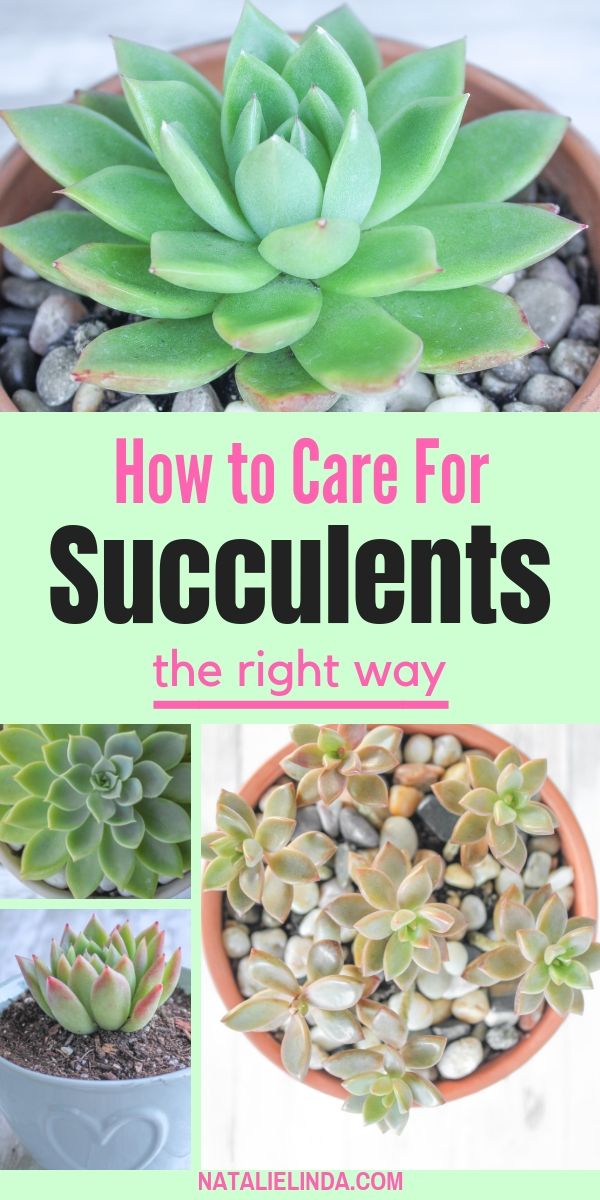

Light Requirements for Vibrant Growth
While succulents are adaptable, they require ample light to maintain their vibrant colors and structural integrity. A bright windowsill that receives at least four to six hours of direct sunlight is ideal. South or west-facing windows are usually the best spots indoors. If you notice your succulent stretching upward with significant space between leaves—a condition known as etiolation—it is desperately searching for more light. In this case, consider supplementing with a grow light or moving the plant to a sunnier location. Be cautious with sudden exposure to intense afternoon sun, as this can cause sunburn, particularly for plants that have been acclimated to lower light conditions.
Rotating for Symmetry
Because light sources indoors are often directional, succulents will lean toward the window. To promote a symmetrical and aesthetically pleasing shape, rotate your pot a quarter turn every time you water. This ensures all sides of the plant receive equal exposure, encouraging even growth and preventing the plant from becoming lopsided.


Temperature and Humidity Management
Succulents generally thrive in the comfortable temperatures that humans prefer, typically between 60°F and 80°F (15°C and 27°C). They are sensitive to extreme cold and frost, so keeping them away from drafty windows and unheated rooms during winter is crucial. While they are drought-tolerant, they prefer dry air. High humidity environments, such as bathrooms without ventilation or rooms with humidifiers, can create conditions favorable to fungal diseases. Ensuring good air circulation around the plants helps the soil dry efficiently and keeps the leaves healthy.
Feeding and Long-Term Health
Succulents are not heavy feeders, but they do benefit from a nutritional boost during their growing season. Fertilizing once in early spring and again in midsummer provides the necessary nutrients for robust growth. Use a balanced, water-soluble fertilizer diluted to half or quarter strength. Avoid feeding them in the late summer or fall, as applying nutrients during their dormant period can stimulate new growth that is too tender to survive the winter cold.
Propagation: Expanding Your Collection
One of the most rewarding aspects of owning succulents is their ease of propagation. Leaf cuttings and stem cuttings are simple ways to create new plants from your existing collection. To propagate by leaf, gently twist a healthy leaf from the stem, ensuring it comes off cleanly. Allow the cutting to callous over for a few days in a dry area to prevent rotting, then place it on top of dry soil. Mist lightly until roots and tiny plants emerge. For stem cuttings, snip a section, let it dry for a week, and then plant it in fresh soil. This process is a cost-effective way to multiply your collection and share these resilient plants with friends.


Related Articles

Low-Maintenance Indoor Plants: The Ultimate Easy Care Guide
Bringing life into your home through indoor plants is one of the simplest and most rewarding ways to improve your living space. For many people, the idea of...

How to Care for Dill Plants: The Ultimate Guide to Growing and Maintaining Healthy Dill
Dill (Anethum graveolens) is a versatile herb cherished for its delicate, licorice-like flavor and its role in both the kitchen and the herb garden. Thriving...

Golden Star Cactus: The Ultimate Care Guide for This Stunning Succulent
The golden star cactus, scientifically known as Astrophytum asterias, is a small, spineless wonder native to the dry regions of Mexico and Texas. This...

The Ultimate Guide to Types of Green Plants: Identify and Care For Them
The spectrum of green plants found in the natural world and cultivated spaces is far more intricate than a simple classification into foliage and flowers. This...

The Ultimate Guide to Thriving Grass Plants Indoors: A Complete Care Manual
Bringing a grass plant indoor is one of the most effective ways to inject life and tranquility into your living space. Unlike sprawling outdoor varieties...

The Ultimate Guide to Taking Care of Dahlia Flowers: Blooming Secrets
Dahlias reward the gardener who understands their specific needs, transforming a simple bed into a breathtaking explosion of color from late summer until the...