How to Revive Cut Flowers: Ultimate Guide to Bringing Blooms Back to Life
It is a familiar scene; a vibrant bouquet arrives, filling the room with color and promise, only for the petals to wilt and the stems to droop within days. Understanding how to revive cut flowers is less about magic and more about botany. By intervening with the right techniques at the right time, you can dramatically slow the aging process and coax life back into tired-looking blooms.
The science behind a fading flower is simple yet critical. Once separated from the roots, the bloom relies entirely on the water and nutrients it can draw up through the stem. Over time, air bubbles form in the vascular system, the petals lose moisture, and the flower’s biological processes shift into decay. The goal of revival is to reset this process by removing blockages, replenishing the water supply, and reducing the load on the plant.
Assessing the Damage
Before taking action, you must diagnose the specific issue affecting your arrangement. Not all problems look the same, and applying the wrong remedy can waste time. Check the stems first; if they feel mushy or emit a sour odor, the flower is likely suffering from bacterial rot. If the blooms are limp but the stems are still green and flexible, the issue is usually dehydration. Flowers that have browned at the edges or dropped petals are often reacting to cold drafts or excessive heat.


Reviving Dehydrated Blooms
For flowers that have simply dried out, the revival process is the most straightforward. Start by re-trimming the stems at a sharp angle. Cutting an inch or two off the base immediately increases the surface area for water intake. Remove any foliage that would sit below the waterline, as submerged leaves decay and contaminate the liquid. Submerge the entire arrangement in a sink or bucket filled with cool water for 30 to 60 minutes. This allows the stems to absorb moisture rapidly, often causing the petals to regain their turgidity.
Advanced Intervention Techniques
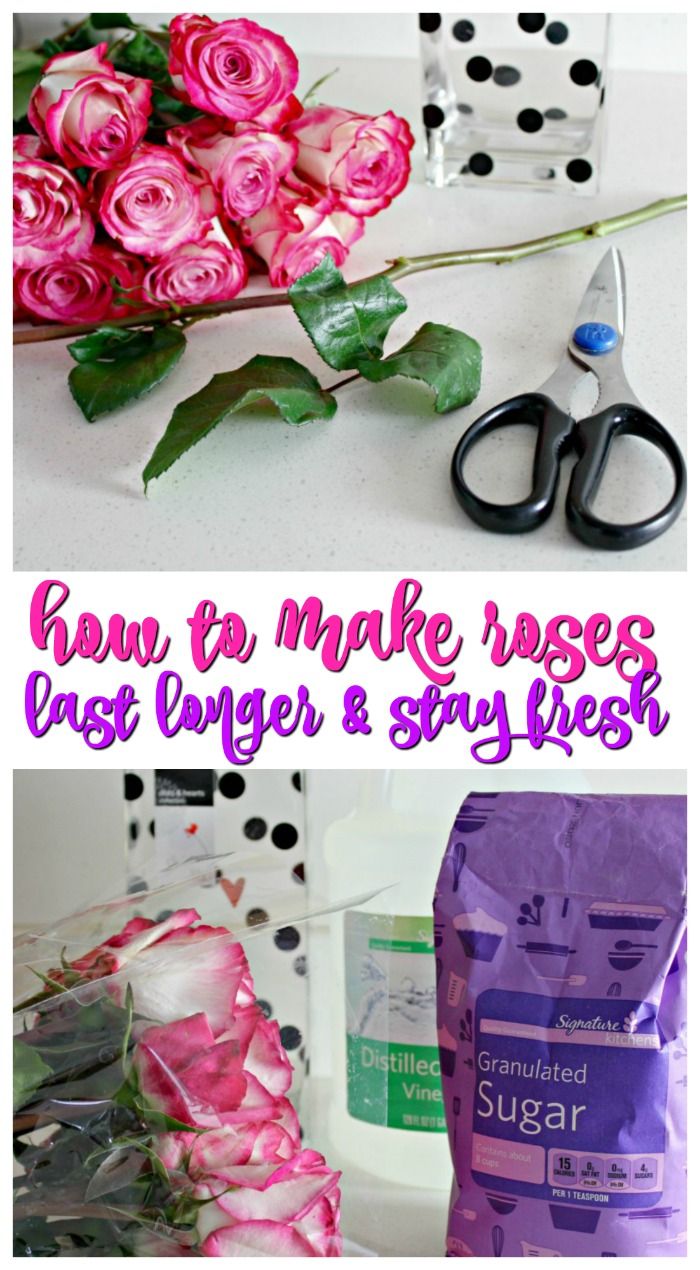
When basic hydration fails, you must address the internal plumbing of the stem. Commercial flower foods are effective because they acidify the water, provide sugar for energy, and contain biocides to fight bacteria. If you do not have flower food, you can create a homemade solution using a teaspoon of sugar, a few drops of household bleach, and a splash of lemon or lime juice. This mixture mimics the ideal environment for sap flow and prevents microbial growth that causes blockages.


| Problem | Symptoms | Solution |
|---|---|---|
| Air Lock | Stems are hollow, flowers wilt despite wet soil | Submerge stems underwater and re-cut at an angle |
| Bacterial Growth | Cloudy water, slimy stems, foul odor | Clean vase, bleach solution, immediate re-trimming |
| Thermal Shock | Petals drop suddenly, buds freeze | Move to stable, room-temperature location |
The Power of Extreme Measures
For severely distressed flowers, drastic action is required. If the blooms are shriveled or the stems are woody, try an ice bath. Fill a wide bowl with cold water and ice cubes, then place the flowers in the mixture for 15 minutes. The cold temperature helps the stems close up, locking in moisture when they return to room temperature. Alternatively, some gardeners swear by the hot water method for woody stems like hydrangeas; holding the cut ends in boiling water for 30 seconds seals the pores that release moisture.
Revived flowers may not return to their exact peak condition, but they will often stand straighter and bloom brighter for several additional days. The final step in the process is prevention; always keep your arrangements away from fruit ripening, which emits ethylene gas, and change the water every two days. By treating your flowers with consistent care and attention, you transform them from temporary decor into a lasting testament to nature’s resilience.



Related Articles

Revive Wilted Flowers: The Ultimate Guide to Bringing Blooms Back to Life
Finding a beloved bouquet looking a little worse for wear is a common experience for plant lovers and gift recipients alike. Flowers that have begun to droop...

Revive Wilted Plants: Your Ultimate Guide to Bringing Green Back to Life
Finding your lush green leaves sagging and dull is a common experience for any plant enthusiast, but it is rarely a permanent death sentence. A wilted...

Revive Dead Mums: The Ultimate Guide to Bringing Them Back to Life
It is a common and disheartening sight to find a once vibrant chrysanthemum reduced to a brittle, lifeless state, but the journey back from this point is often...

Revive Your Spider Plant: Ultimate Guide to Bringing it Back to Life
Finding your spider plant hanging limp and brown can feel like a personal setback, but this resilient houseplant is often just sleeping, not dead. With the...

Revive Your Sims 4: Ultimate Guide to Bringing Sims Back to Life
When your The Sims 4 session starts to lag, crashes unexpectedly, or feels completely broken, it can pull the plug on your entire creative flow. Reviving your...

Revive Your Gardenia: The Ultimate Guide to Bringing it Back to Life
Finding your gardenia’s leaves drooping, yellowing, or dropping off can feel like a personal failure, but the reality is that these evergreen shrubs are...