How to Remove Pen Marks from Leather Purse: Easy DIY Fixes
Accidentally marking your leather purse with a pen is a stressful experience, but it is far from a permanent disaster. Leather is a resilient and porous material, which means that while it absorbs ink easily, it also allows for careful removal with the right techniques. The key to success lies in moving slowly, testing in a hidden area first, and using gentle solvents that lift the ink without damaging the finish or drying out the leather.
Initial Assessment and Preparation
Before you apply any liquid to your bag, you must evaluate the type of leather and the nature of the stain. Smooth, coated leathers found in most designer bags respond well to mild cleaning agents, while delicate suede or nubuck requires a completely different approach. It is also vital to distinguish between an oil-based ballpoint pen and a water-based gel pen, as the former often requires a stronger solvent like alcohol. Regardless of the type, always start by gently wiping the area with a dry, soft cloth to remove any surface dirt that could interfere with the cleaning process.
The Eraser Method
For fresh or light marks, your first line of defense should be a simple rubber eraser. This method is highly recommended because it utilizes mechanical action rather than chemicals, minimizing the risk of discoloration. Use a clean, white art gum eraser or a standard pink eraser and lightly rub it over the mark in a straight line, not a circular motion. The friction will lift the ink off the surface of the leather without pushing it deeper into the pores. Be sure to use a soft, dry cloth to brush away the eraser residue and the lifted ink immediately after.


Using Mild Solvents
When the eraser method proves insufficient, you will need to introduce a slightly stronger agent to break down the ink. Household items are often effective for this stage, but caution is required. You should test your chosen solution on a discreet part of the purse, such as the bottom of the handle or the interior lining, to ensure it does not bleach or stain the leather.
Soap and Water Solution
Before reaching for rubbing alcohol, try a mixture of mild hand soap and warm water. This approach is ideal for removing water-based inks and is the gentlest option available. Mix a drop of soap with a few drops of water to create a sudsy solution, dip a cotton swab or soft cloth into it, and gently blot the stain. Avoid rubbing vigorously, as this can spread the ink or abrade the leather. Blot the area clean with a damp cloth afterward and pat dry with a towel.


Isopropyl Alcohol or Hand Sanitizer
If the soap fails to lift the ink, you likely need a solvent capable of breaking down oil-based pigments. Isopropyl alcohol (rubbing alcohol) is highly effective, but it can strip natural oils from the leather if used improperly. To mitigate this risk, apply it sparingly using a cotton swab, dabbing gently rather than wiping. As the ink transfers to the swab, switch to a clean area immediately to prevent re-depositing the ink onto the purse. If medical alcohol is not available, an alcohol-based hand sanitizer contains the necessary solvents and emollients to clean while offering a bit of protection against drying.
Conditioning and Protection
Once the pen mark is successfully removed, the cleaning process has stripped some of the natural oils and surface protection from the leather. Skipping the conditioning step is the fastest way to lead to cracking or discoloration in the days following the cleaning. Immediately apply a high-quality leather conditioner to the cleaned area. Work it into the leather using a soft cloth in a circular motion, and allow it to absorb fully before buffing off any excess. This restores the suppleness and shine, ensuring the treated area blends seamlessly with the rest of the bag.
When to Seek Professional Help
While home remedies are effective for many scenarios, there are situations where professional intervention is the safest course of action. If the ink mark is particularly old, if the pen used was a permanent marker, or if the leather is a delicate suede or vintage finish, the risk of DIY damage is high. A professional leather cleaner has access to industrial-grade cleaning agents and the expertise to reapply finishes that are difficult to replicate at home. Consulting an expert is not a sign of failure but rather a responsible decision to preserve the value and longevity of your accessory.


Related Articles

How to Remove Water Stain from Leather Couch: Easy DIY Fixes
Discovering a water stain on your leather couch can feel like a disaster, but it is a challenge that can be met with a calm and methodical approach. Leather is...

How to Remove Nail Polish from Leather: Safe & Easy Fixes
Accidentally getting nail polish on your favorite leather bag, shoes, or jacket can feel like a disaster, but it is entirely possible to clean it effectively...
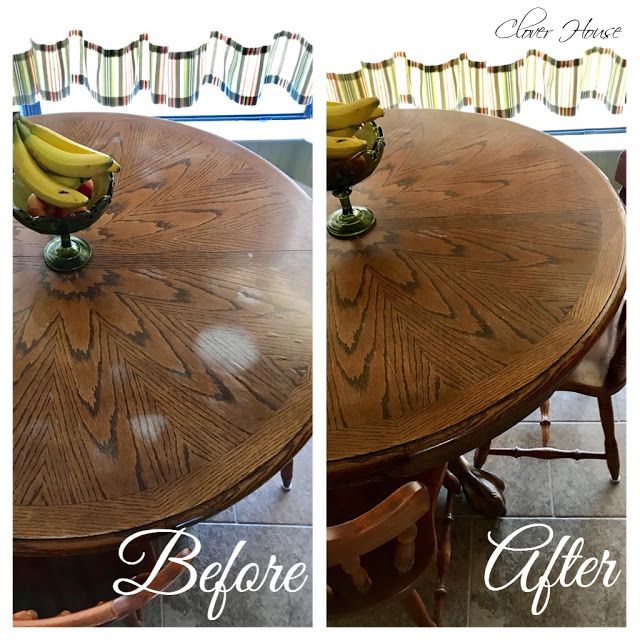
How to Remove Heat Marks from Wood Table: Easy Fixes & Prevention Tips
Few things are as frustrating as discovering a heat mark on table surface, an unsightly blemish that tells a story of a hot coffee cup or a forgotten serving...

How to Remove Jean Stain from Leather Purse: Quick & Easy Guide
The sight of a denim-colored smear on your favorite leather purse can feel like a personal crisis. Whether it’s a transfer from new jeans during a quick...

How to Remove Water Stains from Wood Table: Easy DIY Solutions
Water marks on a wood table are an inevitable part of daily life, caused by condensation from cold glasses or the heat of a hot coffee mug. While they may seem...

Remove Melted Fabric from Iron: Easy Fixes & Tips
A melted fabric disaster on your iron is more than an inconvenience; it is a sticky, smoky challenge that threatens to turn your essential pressing tool into a...