Effortless Cleanup: How to Remove Paint from Metal Railings Fast
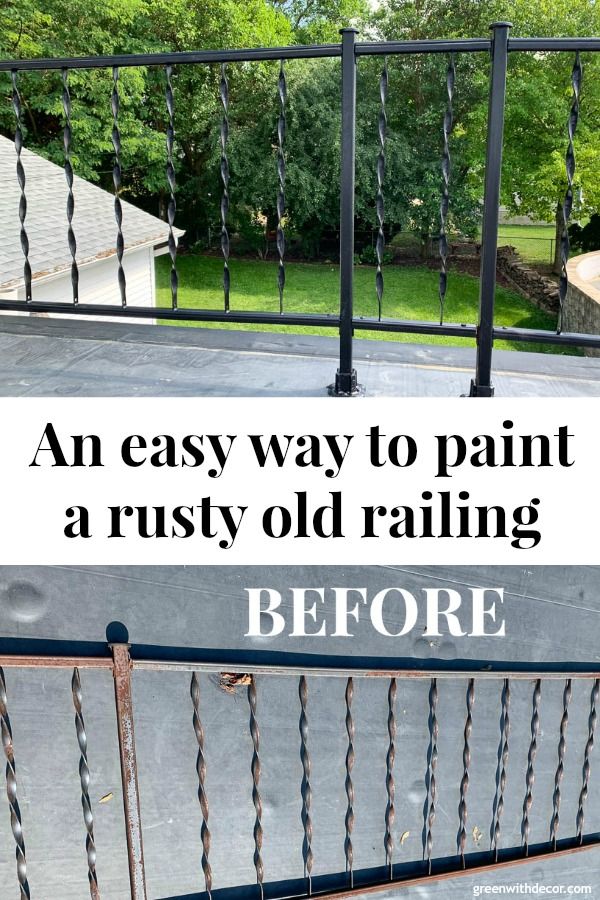
Removing paint from metal railings is often the first critical step before refinishing, repair, or restoring the metal to its original condition. Whether you are dealing with chipped exterior deck railings, outdated interior staircase features, or sun-faded outdoor gates, the process requires the right approach to avoid damaging the underlying metal. This guide outlines the most effective methods, from chemical strippers to mechanical removal, ensuring you can tackle the job with confidence and achieve a clean surface ready for priming and painting.
Assessing the Railings and Project Scope
Before starting any removal, take a moment to inspect the railings thoroughly. Determine the type of metal, which is usually steel or aluminum, and check for the presence of lead-based paint, which is common on older structures and requires special handling. You should also evaluate the extent of the paint peeling; small touch-ups demand a different strategy than large-scale stripping of multiple coats. Considering these factors upfront helps you choose the safest and most efficient method for the task.
Preparing the Work Area
Safety and preparation are just as important as the removal technique itself. Since paint removal often generates dust, chips, and chemical runoff, you need to clear the area and protect surrounding plants and surfaces. Lay down drop cloths or plastic sheeting to catch debris, and ensure the workspace is well-ventilated to disperse fumes. Wearing appropriate personal protective equipment (PPE) such as gloves, goggles, and a respirator is non-negotiable, especially when dealing with hazardous materials like lead or methylene chloride.


Choosing Your Removal Method
Selecting the right approach depends heavily on the size of the project, the number of railings, and the type of paint you are removing. For small areas or intricate designs, manual methods provide precision without the risk of warthin. For larger, flat surfaces, chemical or heat-based methods can save significant time. Below is a comparison of the primary options available to homeowners and professionals.
| Method | Best For | Pros | Cons |
|---|---|---|---|
| Chemical Strippers | Large flat surfaces, intricate details | Effective on multiple coats, relatively easy application | Requires careful disposal, strong fumes, potential skin contact |
| Heat Guns | Small to medium areas, lead paint safety | Fast removal, minimal dust, loosens paint for easy scraping | Risk of igniting surrounding materials, requires ventilation |
| Media Blasting | Heavy rust, large outdoor installations | Very aggressive, strips rust and paint simultaneously | Requires equipment rental, can etch metal if not controlled |
Mechanical and Manual Techniques
If you prefer to avoid chemicals or are working on a small scale, manual tools are highly effective. A sturdy metal wire brush, combined with considerable elbow grease, can scrub away loose or bubbling paint. For harder to reach areas or detailed spindles, an angle grinder equipped with a wire wheel or sanding disc is a powerful solution. However, it is crucial to move consistently to avoid gouging the metal, and these methods tend to generate significant dust, necessitating proper cleanup and PPE.


Chemical and Heat-Based Solutions
For broader applications, chemical paint strippers offer a soak-and-scrape approach that reduces physical strain. Products containing methylene chloride or biodegradable citrus solvents can dissolve paint layers when applied thickly and allowed to dwell. Alternatively, heat guns provide a thermal solution, softening the paint so it can be scraped off with a putty knife. While these tools are efficient, they require strict adherence to safety protocols to manage fumes and prevent fires, particularly on wooden decks or near combustible materials.
Cleanup and Surface Preparation
Once the old paint is removed, the metal railings will likely have rust, old primer, or residual contaminants that must be addressed. A light sanding with fine-grit sandpaper or a quick pass with a wire brush will smooth the surface and remove any stubborn patches. Before applying a new coat of paint, it is essential to wipe the metal down with a degreaser or mineral spirits to remove oils and ensure maximum adhesion. Properly prepared metal will result in a smoother finish and a significantly longer-lasting protective coating.


Related Articles

Effortless Clean: How to Remove Paint from Vinyl Flooring Safely
Accidentally spilling paint on your vinyl floor is a stressful moment, but it is one of the most common household accidents and entirely manageable with the...

Effortless Ways to Remove Paint from Porcelain Surfaces
Accidentally getting paint on your porcelain fixture can feel like a minor disaster, but it is a problem with a straightforward solution. Whether it is a...

How to Remove Paint from Mirror: Easy Cleanup Tips
Accidentally getting paint on a mirror can feel like a minor disaster, but it is a problem with a straightforward solution. Whether the splatter came from a...

Effortless Cleanup: How to Remove Oil from Floor Tiles Quickly
Few things are as frustrating as watching a fresh spill of oil streak across an otherwise clean floor. Whether it is a cooking accident in the kitchen or a...

Effortless Cleanup: How to Remove Tile Adhesive from Tiles Like a Pro
Removing dried tile adhesive from tiles is a common challenge for homeowners and professional installers alike. Whether you are renovating a bathroom...

How to Remove Acrylic Latex Paint from Clothes – Easy Cleanup Tips
Discovering a splash of acrylic latex paint on your favorite shirt or work pants can feel like a disaster, but it is far from the end of the road for the...