How to Remove Heat Marks from a Wooden Table: Easy DIY Solutions
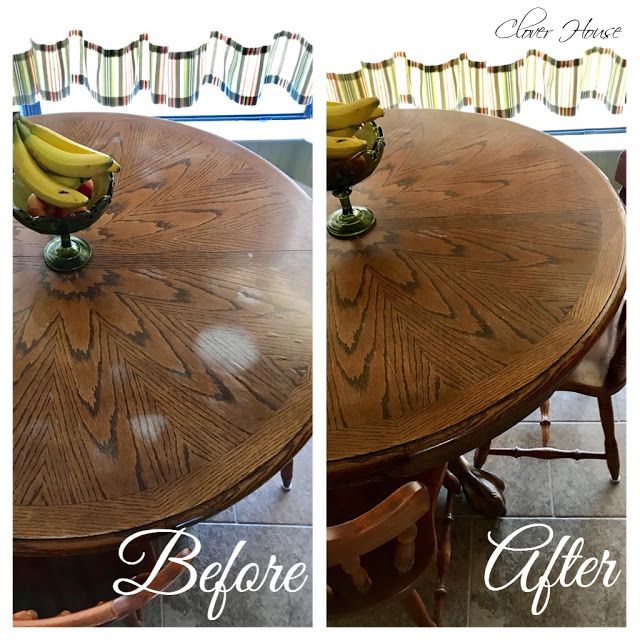
Finding a heat mark on your wooden table can feel like a personal affront. That dull ring, a ghostly reminder of a forgotten mug or a steaming pot, disrupts the natural beauty of the grain. The good news is that these blemishes are often reversible. With a little patience and the right approach, you can coax that wood back to its original state, erasing the tell-tale signs of carelessness.
Understanding the Culprit: Why Heat Damages Wood
To effectively treat a heat mark, it helps to understand what is happening beneath the surface. Wood is a porous, hygroscopic material, meaning it absorbs and releases moisture. When a hot object is placed directly on the finish, the heat draws moisture out from the wood fibers underneath. This rapid drying and the resulting change in the wood's chemical structure create the characteristic cloudy or white ring you see. The damage is typically confined to the top layers of the finish, like polyurethane or lacquer, rather than deep into the wood itself.
Method 1: The Classic Oil and Vinegar Cure
This time-tested home remedy is a favorite for a reason. The combination of oil and vinegar creates a gentle, effective solution for drawing out moisture and replenishing the lost oils in the wood's surface. It works exceptionally well on mild to moderate heat marks where the finish is largely intact.


How to Create the Mixture
Creating this remedy is straightforward. You will need equal parts of two common household items:
- One part white vinegar (preferably distilled).
- One part olive oil or any other mild cooking oil.
Mix the two ingredients together in a small bowl or jar. You don't need a large quantity—a few tablespoons are usually sufficient for treating a single mark.


Application Technique
Apply the mixture directly to the heat mark using a clean, soft cloth. A cotton ball or a piece of microfiber cloth works perfectly for this task. Gently rub the solution into the ring using very light, circular motions. The goal is to work the mixture into the finish without scratching the surface. Continue this gentle rubbing for several minutes. You should observe the white ring begin to fade significantly, darkening slightly as the oil is absorbed and the vinegar draws out the trapped moisture.
Method 2: The Baking Soda Paste for Deeper Treatment
For heat marks that are more stubborn or have caused a slight indentation in the finish, a baking soda paste provides a slightly more aggressive form of treatment. The mild abrasive nature of baking soda can help to level out the surface of the finish while its buffering action neutralizes any residual acidity.
Creating and Applying the Paste
To make this paste, you will need baking soda and a small amount of water. Mix them together in a small container until you achieve a consistency similar to that of a thick toothpaste. Avoid making it too runny. Apply the paste directly to the affected area using a soft cloth or your fingertip. Work it into the mark in a gentle, back-and-forth motion, following the grain of the wood. Allow the paste to sit on the surface for approximately 30 to 60 minutes. This dwell time gives the baking soda a chance to lift the remaining moisture and grime from the finish.


After the time has elapsed, use a clean, damp cloth to wipe away the paste thoroughly. You will likely need to go over the area a few times to remove all the residue. Finally, buff the spot with a dry section of the cloth until the wood develops a subtle sheen. This method can be remarkably effective for ingrained marks.
Protecting and Restoring the Finish
Regardless of which method you use, you are essentially manipulating the finish of the table. Once the heat mark is gone, the treated area might appear slightly different from the surrounding surface—it could be a bit duller or smoother. This is a normal part of the process. To bring the table back to a uniform appearance, you may need to perform a final touch-up.
For a quick refresh, you can apply a small amount of a high-quality furniture wax or polish to the entire surface of the table. This will help to blend the sheen of the repaired area with the rest of the tabletop, leaving behind a uniform, lustrous glow that protects the wood from future mishaps.


What to Avoid: Common Mistakes to Prevent
In your eagerness to remove the heat mark, it is crucial to avoid actions that could exacerbate the damage. One of the most common mistakes is reaching for a steam iron or a hair dryer. Applying direct, intense heat to the already-damaged wood fibers will almost certainly make the problem worse, potentially causing the finish to bubble or blister. Similarly, harsh chemical cleaners, bleach, or abrasive scrub pads like steel wool are off-limits. These can strip the finish entirely, leaving behind raw, damaged wood that requires much more intensive restoration. Always start with the gentlest method and only escalate if the mark does not respond.
Related Articles

How to Remove Water Stains from Wood Table: Easy DIY Solutions
Water marks on a wood table are an inevitable part of daily life, caused by condensation from cold glasses or the heat of a hot coffee mug. While they may seem...
How to Remove Heat Marks from Wood Table: Easy Fixes & Prevention Tips
Few things are as frustrating as discovering a heat mark on table surface, an unsightly blemish that tells a story of a hot coffee cup or a forgotten serving...

How to Remove Heat Marks on Wood Table: Easy Solutions
Few things are as frustrating as moving a hot coffee mug to find a white, cloudy mark has appeared on your prized wooden table. This common form of damage...

Remove Suction Cup Marks from Glass: Easy DIY Solutions
Those perfect, circular rings left behind on a glass shower door or tabletop might look harmless, but they can dramatically detract from the clean, clear...

How to Remove Calcium Deposits from Porcelain: Easy DIY Solutions
Few things are as frustrating as the stubborn white crust that clings to your pristine porcelain fixtures. Whether it is a filmy showerhead, a crusty faucet...

How to Remove Water from Gas Tank: Quick & Easy Solutions
Discovering water in your gas tank is more than a minor inconvenience; it is a serious contaminant that can lead to poor engine performance, hesitation, and...