How to Plant Hyacinth Bulbs Indoors: A Step-by-Step Guide
Few indoor experiences rival the instant gratification of forcing hyacinth bulbs. The process of planting hyacinth bulbs indoors is a straightforward journey from a dormant, earthy sphere to a vibrant, fragrant spectacle. By guiding this natural cycle within the comfort of your home, you can dictate the timing of a brilliant floral display. This method transforms the cold, dark period of dormancy into a season of anticipation and color. With the right materials and a little patience, you can cultivate a stunning, scent-filled atmosphere during the depths of winter.
Selecting and Pre-Chilling Your Hyacinth Bulbs
The foundation of a successful indoor hyacinth display begins long before you touch a pot. Choosing the right bulbs is critical for ensuring healthy growth and prolific flowering. Look for large, firm bulbs that feel heavy for their size and are free from any signs of mold, soft spots, or damage. The size of the bulb often correlates with the flower spike's size, so investing in the largest quality bulbs is advantageous. Furthermore, most hyacinth varieties require a period of cold dormancy to initiate flowering, a process known as vernalization.
To simulate winter conditions, you must pre-chill the bulbs before planting. This step is non-negotiable for successful indoor blooms. Place the bulbs in a paper bag, ensuring they do not touch, and store them in the refrigerator's crisper drawer for approximately 12 to 15 weeks. It is vital to keep them away from apples, as the ethylene gas apples release can inhibit flowering. This cold treatment tricks the bulbs into thinking they have endured the winter, priming them to burst forth with color once returned to warmth.


Choosing the Right Container and Soil
Selecting an appropriate vessel is the next crucial step in the process of planting hyacinth bulbs indoors. While purpose-made hyacinth glasses are a popular and elegant choice, featuring a narrow neck that supports the bulb over a reservoir of water, standard pots work just as well. If using a pot, ensure it has drainage holes to prevent waterlogging, which can cause the bulbs to rot. A container that provides stability is essential, as the weight of the developing flower spike can cause top-heavy plants to topple.
The growing medium for your hyacinths should facilitate drainage while still providing support. A high-quality, lightweight potting mix is ideal for potted arrangements. Forcing hyacinths in water alone, using the glass method, requires a specialized medium like stone chips or glass beads to support the bulb without soil. Whether you choose soil or stone, the medium should allow roots to anchor securely while accessing moisture and oxygen. Avoid using garden soil, as it is often too dense and may contain pathogens that could harm your bulbs.


The Planting Process: From Bulb to Bed
With your pre-chilled bulbs and container prepared, you are ready to begin the actual planting. If you are using the water-forcing method, simply place the bulb into the glass's opening, ensuring the base is slightly submerged while the top remains dry. For soil plantings, fill the pot partially with your chosen medium. Position the bulb with the pointed end facing upward, as this is the direction the shoot will emerge. Bury the bulb so that its base is just below the rim of the pot, typically with the top third of the bulb remaining exposed.
After placing the bulb, gently firm the soil or stone around it to provide stability. Water the planting medium thoroughly but carefully, ensuring the water drains out of the bottom of the pot to flush out any accumulated salts. The goal is to provide consistent moisture without creating a waterlogged environment. At this stage, the planted bulbs do not require light; in fact, they benefit from a cool, dark space to encourage root development.
Initiating Growth: The Cool, Dark Phase
Following planting, the bulbs require a period of cool, dark conditions to develop a robust root system. This phase is essential for establishing the plant before it is encouraged to grow upward. Place the potted bulbs in a cool location, ideally between 40°F and 50°F (4°C and 10°C), such as a basement, unheated garage, or a cool basement closet. Maintain this environment for about 2 to 3 weeks, checking the moisture level periodically to ensure the medium remains slightly damp.


During this time, you will notice the white root system pushing down through the soil or stones, anchoring the bulb for its future ascent. Roots are a good sign that the process is working correctly. Once the roots are well-developed and you see shoots starting to emerge and bend toward the light, it is time to transition the container to a brighter location. Moving the pot to a sunny window will trigger the greening and flowering process.
Forcing Blooms: The Transition to Light and Warmth
When the shoots have grown to about 2 to 3 inches tall and appear sturdy, it is time to move your hyacinths into the light. Choose a bright, sunny window that receives at least six hours of direct sunlight daily. A south-facing window is often ideal. The goal is to provide ample light to encourage strong, stocky growth and prevent the stems from becoming leggy and weak. As the plants adjust to the light, you will see the flower buds begin to show color.
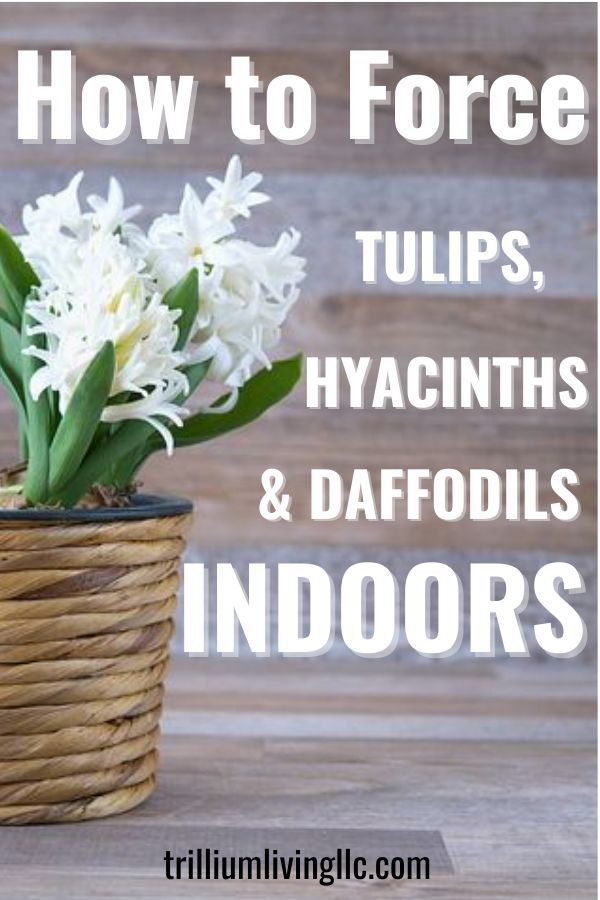
Temperature now plays a key role in prolonging the life of the blooms. Keeping the plants in a cooler room, around 60°F to 65°F (15°C to 18°C), will help the flowers last significantly longer than if they were kept in a warm draft. You can also enhance the visual impact by rotating the pot every few days to ensure even growth. At this stage, the intensely sweet fragrance of the hyacinth will fill your home, rewarding your efforts with a sensory experience that is both vibrant and nostalgic.




Post-Bloom Care and Future Forcing
Once the flowering display has reached its peak and the blooms begin to fade, you have a decision to make regarding the bulb's future. For single-use forcing, the bulb can be discarded after flowering, as it rarely stores well enough to bloom again indoors. However, if you are interested in trying to rebuild the bulb for another year, you can cut off the dead flower spike and continue to water the plant. Keep it in a sunny spot until the leaves yellow, allowing the bulb to photosynthesize and store energy for a potential future bloom.
To store the bulb for forcing again, allow the soil to dry out completely after the leaves have died back. Gently remove the bulb from the soil, brush off any remaining medium, and let it dry in a cool, airy location for a few weeks. After this curing period, you can plant it immediately for another cycle or store it in a paper bag in a dark, dry place until the next pre-chilling season arrives. Understanding this cycle empowers you to continue the rewarding tradition of indoor hyacinth cultivation year after year.
Related Articles
How to Plant Hyacinth Bulbs in Water: A Step-by-Step Guide
Forcing hyacinths in water is a timeless method that brings the intense fragrance and vibrant color of these spring bulbs into your home without the mess of...
How to Plant Hyacinth Bulbs in Pots: A Easy Step-by-Step Guide
Few garden fixtures rival the sensory impact of a pot of hyacinths. Planted in the depths of winter, these bulbs emerge in early spring with an intensity that...

How to Plant Gladiolus Bulbs: A Step-by-Step Guide
Planting gladiolus bulbs is one of the most rewarding endeavors for the home gardener, offering a succession of spectacular, sword-like blooms throughout the...

When and How to Plant Tulip Bulbs: A Step-by-Step Guide
Few garden moments rival the quiet satisfaction of planting tulip bulbs in the cool earth of autumn. This simple act initiates a months-long biological process...

The Ultimate Guide to Planting Liatris Bulbs: A Step-by-Step Tutorial
Liatris, commonly known as blazing star or gayfeather, is a striking perennial that adds vertical interest and vibrant color to any garden. Learning how to...

Spring Bulbs in Pots: A Step-by-Step Planting Guide
Planting spring bulbs in pots is one of the most rewarding ways to bring early color to a balcony, patio, or small garden. Unlike in-ground gardens, container...