TV Mounting Without Studs: Safe & Easy Wall Installation Guide
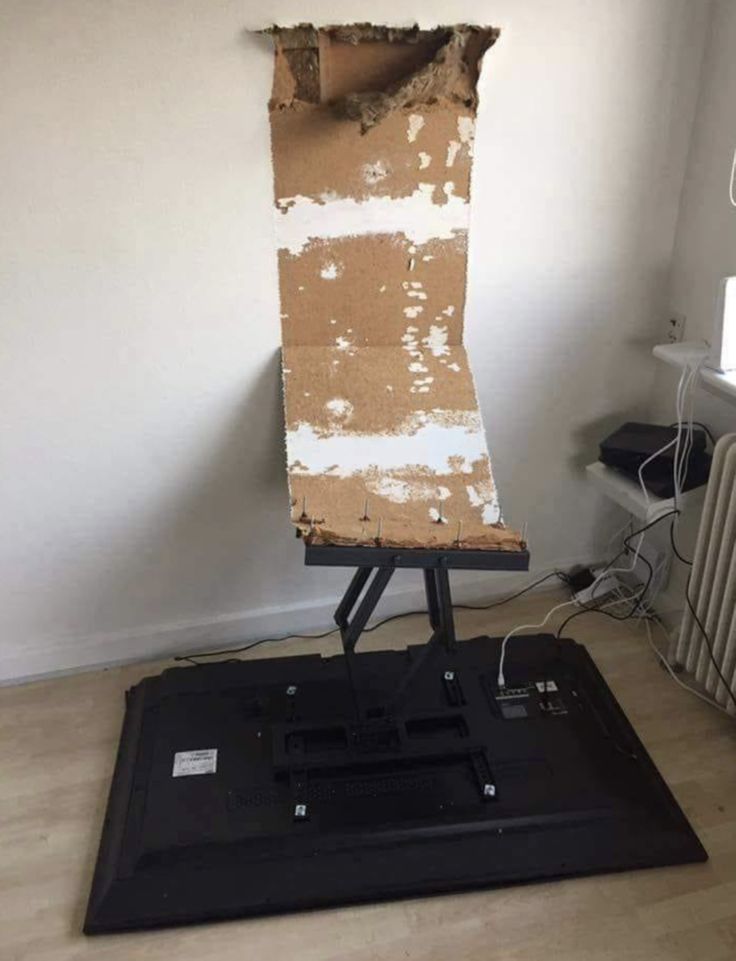
Mounting a television on the wall without the immediate presence of studs might seem like a dealbreaker for many homeowners, but it is entirely feasible with the right strategy and hardware. This scenario is extremely common in modern construction, where drywall is often applied directly over insulation, leaving no exposed framing for standard bracket screws to bite into. Whether you are dealing with a finished basement, a drywall-lined garage, or a room where the studs are simply in the wrong place for a perfect viewing angle, you can achieve a secure and professional installation by bypassing the wood framing.
Understanding the Challenge: Why Studs Matter
The primary purpose of a wall stud is to provide a solid, vertical anchor point capable of supporting the immense weight and dynamic forces exerted by a large television. Traditional mounting brackets are designed to distribute the load by driving long, coarse-threaded screws directly through the drywall and into the wood. Without this solid backing, the drywall alone cannot hold; the screws will simply crumble the gypsum core and pull out of the wall under pressure. Therefore, the solution is not to "drill harder" but to utilize specialized anchors and toggle bolts that create a secure grip on the opposite side of the drywall panel, effectively creating a new, artificial stud.
Heavy-Duty Toggle Bolts
For TVs exceeding 50 inches or weighing over 30 pounds, heavy-duty toggle bolts are the most reliable option for drywall-only installations. These devices feature a large metal anchor that expands behind the wall once the bolt is tightened, distributing the weight over a wide area. To install them, you drill a hole wide enough to accommodate the toggle, push it through the wall, and then tighten the screw connected to the bracket. While incredibly strong, it is important to note that the installation process is permanent, as removing the toggle will leave a large hole that requires patching.


Threaded Anchors and Molly Bolts
Slightly more versatile than toggles, threaded anchors and molly bolts offer a robust alternative for medium-sized televisions. These hollow metal cylinders are hammered into the wall, and a screw is then inserted and tightened. As the screw drives in, it pulls the sides of the anchor outward, creating a tight, wedge-like grip against the inner surface of the drywall. While easier to install than toggles, these anchors provide less lateral pull strength, making them better suited for moderately sized displays rather than the heaviest wall panels available.
Strategic Hardware Selection
Choosing the correct bracket is just as important as selecting the proper wall anchor. When studs are not an option, you should opt for a bracket specifically designed for "drywall-only" installations, which usually feature a reinforced bridge or a wide distribution plate. Furthermore, the bracket arms should be as long as possible; the leverage created by the television's weight means that the bracket extending further from the wall significantly reduces the sheer force acting on the anchors, creating a safer and more stable setup.


| TV Size | Recommended Anchor Type | Weight Limit (Per Anchor) |
|---|---|---|
| 32" – 40" | Heavy-Duty Toggle or 3/8" Molly Bolt | 50 – 80 lbs |
| 43" – 55" | Heavy-Duty Toggle Bolt | 100 – 150 lbs |
| 65"+ | Commercial Toggle System or Floor-Supported Mount | 200+ lbs |
Locating the Optimal Position
Even without studs, you must adhere to standard ergonomic guidelines for height. The center of the screen should generally be at eye level when you are seated to prevent neck strain. Use a temporary cardboard template or a sheet of plain paper to trace the exact outline of the bracket on the wall. This allows you to visualize the final placement and ensures that the mounting holes align perfectly with your chosen anchors before you commit to drilling holes in your wall.
Installation Best Practices and Safety
Before drilling, use a quality stud finder not just to locate wood, but to map out the density of the wall. This helps you avoid hidden electrical wiring or plumbing that might be running horizontally through the cavity. When drilling into drywall without studs, apply firm, constant pressure to prevent the drill bit from catching and cracking the paint. Once the bracket is mounted, perform a "floating" test: gently lift the TV and slide the bracket arms down over the anchor posts. If the TV feels wobbly or shifts horizontally, stop and add additional support; do not rely on the television's anti-tip strap as the primary safety mechanism.
When to Consider Alternatives
If the idea of managing heavy-duty anchors feels overwhelming, or if the wall structure includes materials like concrete or brick, it may be safer to explore alternatives. A low-profile entertainment center or a ceiling-mounted articulating arm can relieve the stress of wall mounting entirely. Additionally, if the planned location is adjacent to a window or in a high-traffic area where accidental impact is likely, distributing the load across a floor stand might ultimately provide greater peace of mind than pushing the limits of drywall integrity.


Related Articles

Floating Shelves Without Studs: Easy DIY Installation Guide
Installing floating shelves without studs is a common challenge for renters, apartment dwellers, and anyone looking to avoid complex wall modifications. The...

No Drill Curtain Rod Bracket: Easy Wall Mount Installation Without Drilling
For anyone who has ever wrestled with a stubborn drill while trying to hang a curtain, the no drill curtain rod bracket is nothing short of a revelation. This...

3 Stud TV Wall Mount: Secure & Easy Installation Guide
The 3 stud tv wall mount represents the standard configuration for securely installing most flat-panel displays in residential and commercial environments...

Outdoor TV Mounting: Expert Guide to Safe Wall Installation
Mounting a TV outside transforms a standard viewing experience into an entertainment moment integrated with the environment. Whether for a backyard movie...

The Ultimate Guide to Video Camera Wall Mounting Brackets: Secure Installation Made Easy
Installing a video camera on the wall provides a stable, persistent view of any space without the hassle of constant repositioning. A video camera wall...

How to Vent Microwave Outside: Safe & Easy Outdoor Installation Guide
Venting a microwave outside is a practical solution for those who lack a dedicated kitchen exhaust system or want to ensure that cooking odors, smoke, and...