How to Hang a Navajo Rug on the Wall: Step-by-Step Guide
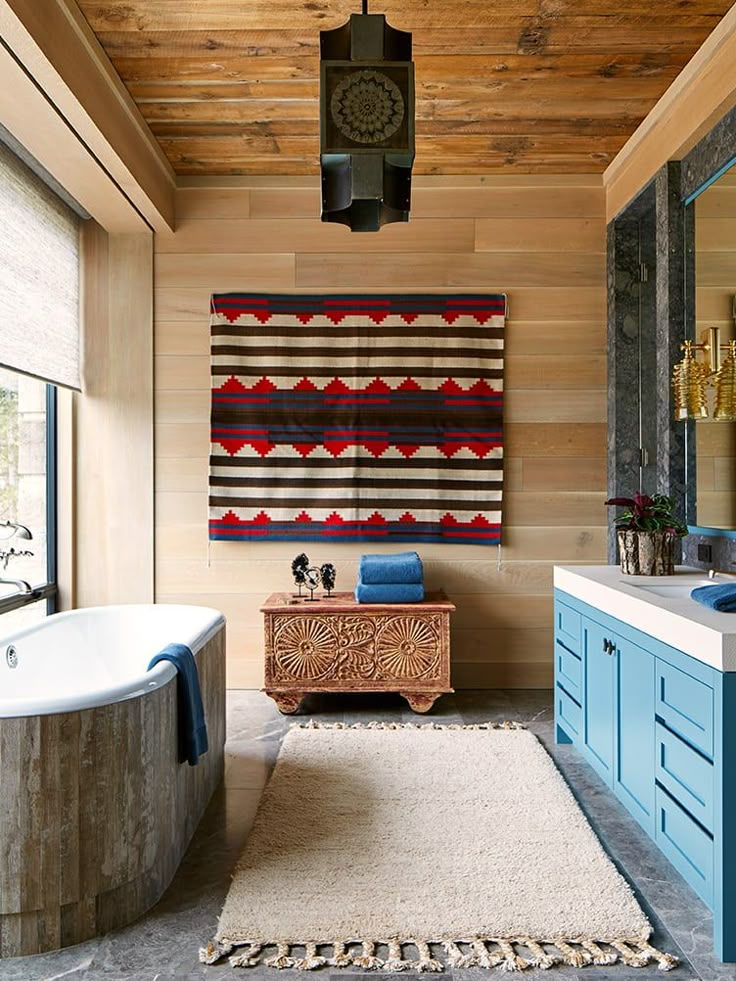
Hanging a Navajo rug on the wall is a timeless way to introduce warmth, texture, and cultural heritage into a space. These textiles, woven with intricate patterns and natural dyes, are more than floor coverings; they are storytelling pieces that serve as focal points in any room. To ensure your rug hangs securely and looks its best, the process requires a blend of careful preparation, the right hardware, and an understanding of the rug’s unique structure.
Preparing the Rug for Installation
Before you even think about nails or hooks, inspect the rug thoroughly. Look for any loose threads, weak seams, or areas where the wool might be thinning. Navajo weavings are robust, but the hanging process can put stress on vulnerable spots. If you find any issues, address them first. You can secure loose threads with a discreet dab of fabric glue or, for significant wear, consult a professional textile conservator. This initial step protects the integrity of the piece and ensures it will last for years as a wall hanging.
Gathering the Right Hardware
- Sawtooth or keyhole hangers (for lighter rugs)
- D-rings and picture wire (for medium to heavy rugs)
- Screws and wall anchors suitable for your wall type
- A level, measuring tape, and a pencil
- Gorilla hooks or velcro strips (for temporary solutions)
The hardware you choose is the invisible infrastructure of your display. For a standard-sized rug, heavy-duty D-rings attached to the back with nylon or cotton webbing are often the best method. This distributes the weight of the textile evenly and prevents the rug from stretching or tearing at the edges.


Measuring and Marking the Wall
The placement of your rug dramatically affects the room’s balance. Ideally, the center of the rug should be at eye level, which is typically around 57 to 60 inches from the floor. Use a measuring tape to find this height on your wall, and mark the spot lightly with a pencil. If you are hanging the rug above a sofa or bed, ensure there is at least 6 to 10 inches of space between the top of the furniture and the bottom edge of the rug to create a harmonious composition.
Attaching the Hardware to the Rug
This step requires patience and precision. Lay the rug face down on a clean, soft surface like a bed or floor covered with a sheet. Locate the top corners and determine where the D-rings or hangers will sit. You want to place them far enough in from the edge that the rug doesn’t bunch up, but not so far that the webbing shows when hung. Secure the webbing tightly around the D-ring and knot it securely, or screw the hangers directly into the wooden frame of the rug, ensuring they are flush with the back.


Hanging and Adjusting
With the help of a partner, lift the rug by the bottom or sides and align the hardware with the marked spots on the wall. Hook the wire or hangers onto the screws, and step back to assess the positioning. Use a level to ensure the rug is perfectly straight. It’s common for the rug to look slightly different on the wall than it did flat on the floor; the knots and fringes naturally settle into the pull of gravity. Minor adjustments in the hanging hardware may be necessary to achieve a perfectly aligned look.
Considerations for Texture and Fringes
Navajo rugs are celebrated for their textured piles and hand-tied fringes. When hanging, decide whether you want these elements to be the prominent feature. For a dramatic look, let the fringes hang down naturally over the sides of the frame or hook. If you prefer a cleaner, more modern aesthetic, you can secure the fringes tightly to the back of the rug using rug lace or tape to keep them lying flat against the wall. The texture of the wool will cast soft shadows, adding depth to the visual impact of the piece.
Long-Term Care and Maintenance
Once your rug is hanging, avoid placing it in direct sunlight, as prolonged exposure can fade the vibrant natural dyes. Dust it gently with a soft brush or a hairdryer on a cool setting every few months to prevent dirt from settling into the wool. If you notice any moth activity or signs of moisture, address the issue immediately by rolling the rug (fringe to fringe) and freezing it for 48 hours to kill any pests. With proper care, your wall-hung Navajo rug will remain a stunning centerpiece, connecting your home to the rich traditions of its creation.


Related Articles

How to Hang Shiplap on Wall: A Step-by-Step Guide
Installing shiplap on a wall is a rewarding project that instantly adds warmth, texture, and architectural interest to any space. Whether you aim for a clean...

How to Hang Sheetrock on Wall: Step-by-Step Guide
Hanging sheetrock is the single most critical step in finishing any interior wall, transforming a rough frame into a smooth, paint-ready surface. This process...

How to Hang a Navajo Rug on Wall: Easy Guide
Hanging a Navajo rug on the wall is one of the most rewarding ways to introduce authentic texture, history, and vibrant color into your home. These textiles...

The Ultimate Guide: How High to Hang Art on Wall Like a Pro
Determining how high to hang art on wall is one of the most common questions in interior styling, yet it rarely has a single, rigid answer. While there are...

How to Hang Wire Baskets on Wall:Easy DIY Guide
Transforming a blank wall into a curated gallery or an organized storage solution is easier than you might think. Hanging wire baskets offers a versatile and...

How to Hang a Door Frame: Step-by-Step Guide
Selecting the correct hang door frame is the quiet foundation of a successful interior renovation. While decorative elements like trim and paint capture the...