The Ultimate Guide to Growing Succulents Outside: Thriving Outdoor Tips
Growing succulents outside can transform a simple garden bed or patio into a vibrant tapestry of texture, color, and low-maintenance beauty. Unlike their indoor counterparts, outdoor succulents contend with dynamic weather, varying light intensity, and soil conditions that demand a more nuanced approach.
Success hinges on selecting the right varieties for your specific climate and mastering the art of watering. It is not just about planting and forgetting; it is about understanding the delicate balance between sun, soil, and hydration that allows these drought-tolerant plants to thrive in an open environment.
Choosing the Right Succulents for Outdoor Living
Not all succulents are created equal when it comes to surviving winter frost or intense summer heat. The first step in outdoor cultivation is selecting species suited to your USDA hardiness zone. Tender varieties, such as Echeveria and Crassula, thrive in warm climates but will succumb to frost, while Hardy types like Sempervivum and certain Sedums can endure freezing temperatures with grace.


Before making a purchase, research the specific temperature tolerance and light requirements of each plant. Opt for native species when possible, as they are naturally adapted to the local soil and rainfall patterns, making them more resilient and less finicky in the long run.
Light and Location Considerations
Succulents are sun-worshippers, requiring a minimum of six hours of direct sunlight daily to maintain their compact shape and vivid colors. When planning your outdoor layout, observe how the sun moves across your space throughout the day.


- South-facing areas provide the highest intensity of light, ideal for sun-loving varieties.
- East-facing spots offer gentle morning sun, which is excellent for preventing sunburn.
- In regions with extreme heat, providing light afternoon shade can prevent foliage from scorching.
Insufficient light leads to etiolation—where the plant stretches tall and leggy in search of sun—compromising the aesthetic appeal and structural integrity of the succulent.
Soil and Drainage: The Foundation of Health
The most common mistake beginners make is using standard potting soil, which retains too much moisture and leads to root rot. Outdoors, succulents require a gritty, fast-draining medium that mimics their natural rocky habitats.
You have two primary options: amend existing garden soil with inorganic materials or use containers filled with specialized cactus mix. For ground planting, incorporate pumice, perlite, or coarse sand to break up clay and improve aeration. The goal is to ensure that water passes through the soil almost immediately after watering, leaving the roots moist but not waterlogged.


| Soil Amendment | Best For | Ratio Recommendation |
|---|---|---|
| Pumice or Perlite | Improving aeration and drainage | 30% amendment to 70% native soil |
| Coarse Sand | Breaking up heavy clay | 50% amendment to 50% native soil |
Mastering the Art of Watering
Watering outdoor succulents is counterintuitive; the goal is to soak them deeply and then allow the soil to dry out completely before repeating. This "soak and dry" method prevents root rot while encouraging the roots to grow deep in search of moisture.
During the active growing season of spring and summer, watering every 7 to 14 days is usually sufficient. As autumn arrives and temperatures drop, reduce the frequency significantly. In winter, many dormant succulents require no watering at all, relying on stored moisture to survive the cold months. Always check the soil moisture an inch below the surface before adding more water.
Protecting Succulents from the Elements
While hardy, succulents are not invincible. Extreme weather requires specific protection strategies to prevent physical damage and moisture loss.


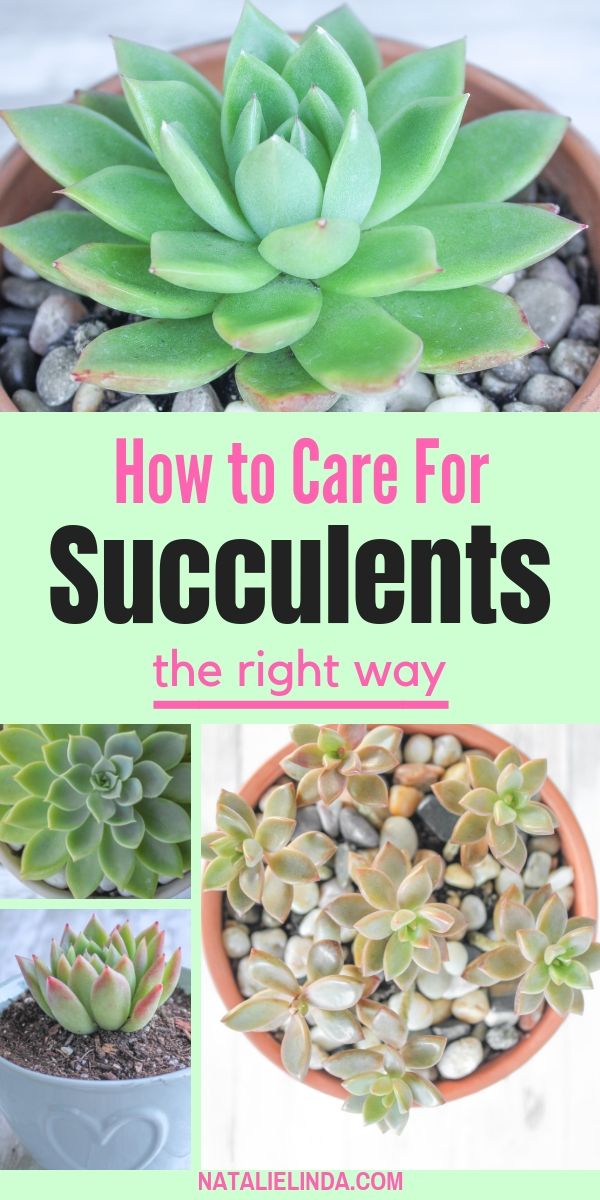


During the winter, frost can puncture the cell walls of tropical succulently. A simple cover with a frost cloth or burlap sack overnight can provide the necessary insulation. Conversely, the intense summer sun can cause sunburn, leading to brown, crispy patches on the leaves.
In particularly harsh climates, a temporary shade cloth suspended above the plants during peak heat hours can prevent dehydration and leaf damage, ensuring the garden remains lush through the seasonal extremes.
Long-Term Care and Maintenance
Outdoor succulents benefit from a light application of balanced fertilizer in the spring, but they generally require little nutrition. Excessive fertilizer promotes weak, leggy growth at the expense of the plant's natural hardiness.
Pruning is usually limited to removing dead or dried leaves from the base of the plant to prevent pests and maintain airflow. Over time, mature plants may become crowded; dividing offsets in spring is an easy way to propagate new plants and rejuvenate the garden bed, ensuring the space remains healthy and visually dynamic for years to come.
Related Articles

The Ultimate Guide to Potting Outdoor Plants: Expert Tips for Thriving Greenery
Potting outdoor plants is more than just placing a seedling into a container; it is the foundation of a thriving, vibrant garden display. The right pot...

The Ultimate Guide to Growing Kale Plant: Tips for a Thriving Harvest
Kale has secured its status as a superfood for good reason, offering a nutrient-dense profile that thrives in cooler climates. This hardy leafy green is a...

The Ultimate Guide to Growing Spring Onion: Expert Tips for a Bountiful Harvest
Spring onions, with their sharp, vibrant flavor and crisp texture, are a cornerstone of kitchens worldwide. Known as scallions or green onions in other...

The Ultimate Guide to Growing Cyclamen: Expert Tips for Success
Cyclamen, with its distinctive butterfly-shaped flowers and marbled foliage, brings an elegant splash of color to the cool months of the year. Learning how to...

The Ultimate Guide to Growing Basil in a Pot: Tips for Thriving Herb Gardens
Growing basil in a pot is one of the most rewarding experiences for both the culinary enthusiast and the casual gardener. This vibrant herb delivers an...

The Ultimate Guide to Homebase Cactus Soil: Expert Tips for Thriving Succulents
Choosing the right soil is the single most important factor in successfully cultivating cacti indoors, and the term homebase cactus soil refers to the...