Ohio Potato Growing Guide: Step-by-Step Tips for a Bountiful Harvest
Growing potatoes in Ohio offers a rewarding experience for home gardeners and commercial farmers alike, thanks to the state's fertile soil and distinct seasonal rhythms. Success hinges on understanding the local climate and selecting the right varieties for your specific region. This guide provides a detailed roadmap for cultivating a bountiful potato harvest in the Buckeye State.
Understanding Ohio's Growing Zones and Climate
Ohio spans USDA hardiness zones 5b through 7a, creating diverse microclimates that influence the planting schedule across the state. Gardeners in the warmer southern regions can plant earlier in the spring, while those in the northern and eastern areas must wait for the soil to warm consistently. The key to success lies in timing your planting to ensure that the tubers are actively growing during the long, sunny days of summer, avoiding the intense heat of late July. Cool-season crops, potatoes thrive in temperatures between 60°F and 70°F, making Ohio's spring and early fall ideal for production.
Selecting the Right Potato Varieties
Choosing the correct variety is a critical step for any Ohio grower, as not all potatoes perform equally in every climate. For spring planting, early-season varieties like 'Yukon Gold' and 'Red Pontiac' are popular because they mature quickly, allowing you to harvest before the summer heat sets in. Mid-season staples such as 'Russet Burbank' and 'Katahdin' are the workhorses for larger yields and excellent storage capabilities. If you are planting a fall crop, look for short-season varieties that can mature before the first hard frost, ensuring you maximize the available growing degree days.


Soil Preparation and Bed Creation
Potatoes require loose, well-draining soil to prevent rot and to allow the tubers to expand freely. In Ohio, where heavy clay is common, amending the soil with organic matter is non-negotiable. Work in a generous amount of compost or well-rotted manure to improve structure and fertility. Raised beds are highly recommended, as they promote better drainage and warm up faster in the spring. Aim to create a planting environment with a slightly acidic pH between 5.0 and 6.5, which helps the plant uptake essential nutrients efficiently.
Planting Techniques and Depth
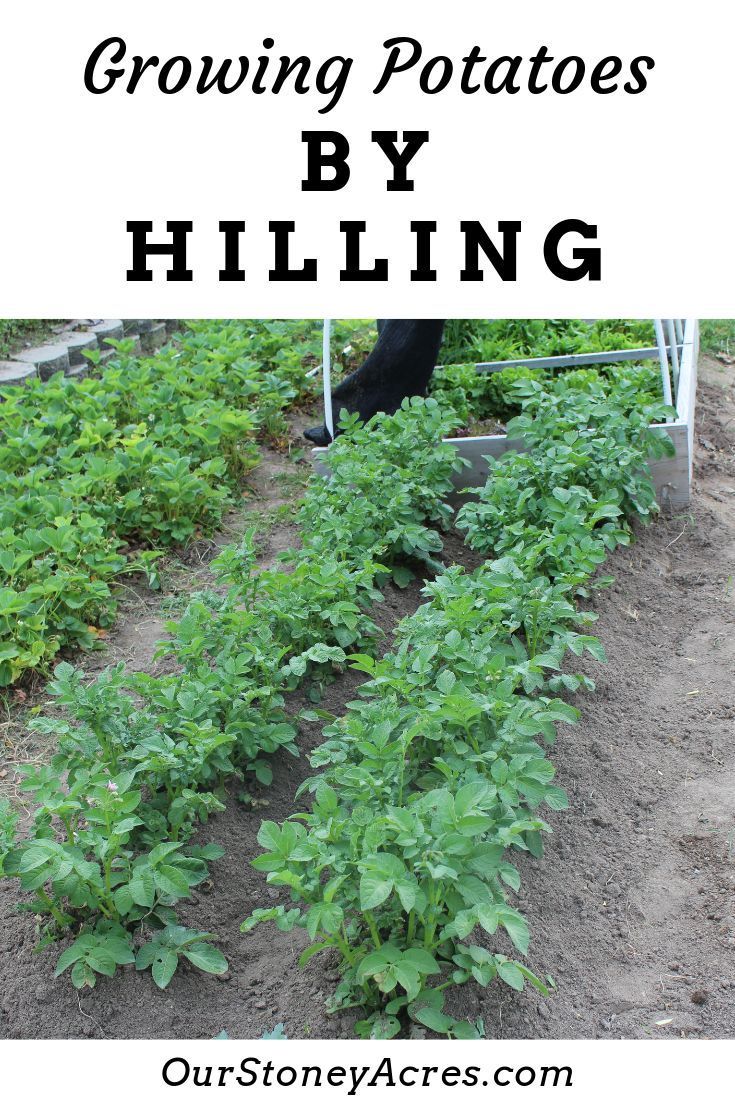
Plant seed potatoes once the soil has reached a workable consistency and the danger of severe frost has passed in your specific region. Cut larger seed potatoes into pieces, ensuring each piece has at least two "eyes," and allow them to cure for a day or two to form a protective layer. Bury the pieces approximately 4 to 6 inches deep, spacing them about 12 inches apart within the row. As the plants grow, practice "hilling" by mounding soil around the base of the plant, which encourages more tuber formation and protects the developing potatoes from sun exposure, which causes greening.


Watering, Mulching, and Ongoing Care
Consistent moisture is vital for potato development, but the goal is to keep the soil evenly moist without waterlogging. Drip irrigation or soaker hoses are the best methods to deliver water directly to the roots while keeping the foliage dry, which reduces the risk of disease. Applying a layer of organic mulch, such as straw or shredded leaves, helps conserve moisture, suppress weeds, and keep the tubers dark. Weeds compete aggressively for resources, so regular maintenance is essential to ensure your plants focus their energy on tuber growth.
Harvesting and Storage Strategies
Knowing when to harvest is crucial for maximizing your potato growing success in Ohio. "New" potatoes, which are thin-skinned and tender, can be harvested roughly 2 to 3 weeks after the plants flower. For mature storage potatoes, wait until the foliage has died back naturally after the first light frost. Cure the dug tubers in a warm, humid environment for about a week to heal the skins, then store them in a cool, dark, and well-ventilated area to preserve them through the winter months.
Pest and Disease Management
Ohio gardeners must remain vigilant against common potato pests and diseases to protect their crop. Colorado potato beetles are a prevalent threat; hand-picking or using row covers can manage their populations effectively. Wireworms and flea beetles can also damage young plants, so rotating crops annually is a vital preventative strategy. Fungal diseases like late blight thrive in the humid conditions common in the Midwest, making good air circulation through proper spacing and avoiding overhead watering critical practices for a healthy harvest.




Related Articles

The Ultimate Guide to Growing Spring Onion: Expert Tips for a Bountiful Harvest
Spring onions, with their sharp, vibrant flavor and crisp texture, are a cornerstone of kitchens worldwide. Known as scallions or green onions in other...

The Ultimate Guide to Growing Japanese Cucumbers: Tips for a Bountiful Harvest
Japanese cucumbers, known for their thin skin, minimal seeds, and crisp texture, represent a rewarding crop for gardeners willing to meet their specific...

Ultimate Guide to Growing Rambutan: Expert Tips for a Bountiful Harvest
Rambutan, with its spiky red exterior and translucent, sweet-tart flesh, is a tropical delight that captivates the senses. Moving beyond the supermarket shelf...

The Ultimate Guide to Growing Sugar Snap Peppers: Sweet Tips for a Bountiful Harvest
Sugar snap peas are a rewarding crop for any gardener, offering a crisp, sweet flavor that is impossible to replicate once picked. Known for their edible pods...

The Ultimate Guide to Growing Arugula: Tips for a Bountiful Harvest
Few garden crops deliver the same punch of flavor and nutrition as arugula. This leafy green, prized for its peppery bite, is remarkably simple to cultivate...

Grow Waltham Butternut Squash: The Ultimate Guide to a Bountiful Harvest
Waltham Butternut squash is a garden staple prized for its dependable yields, rich flavor, and versatility in the kitchen. Originating from the United States...