The Ultimate Guide to Growing Onions from Seeds: A Step-by-Step Tutorial
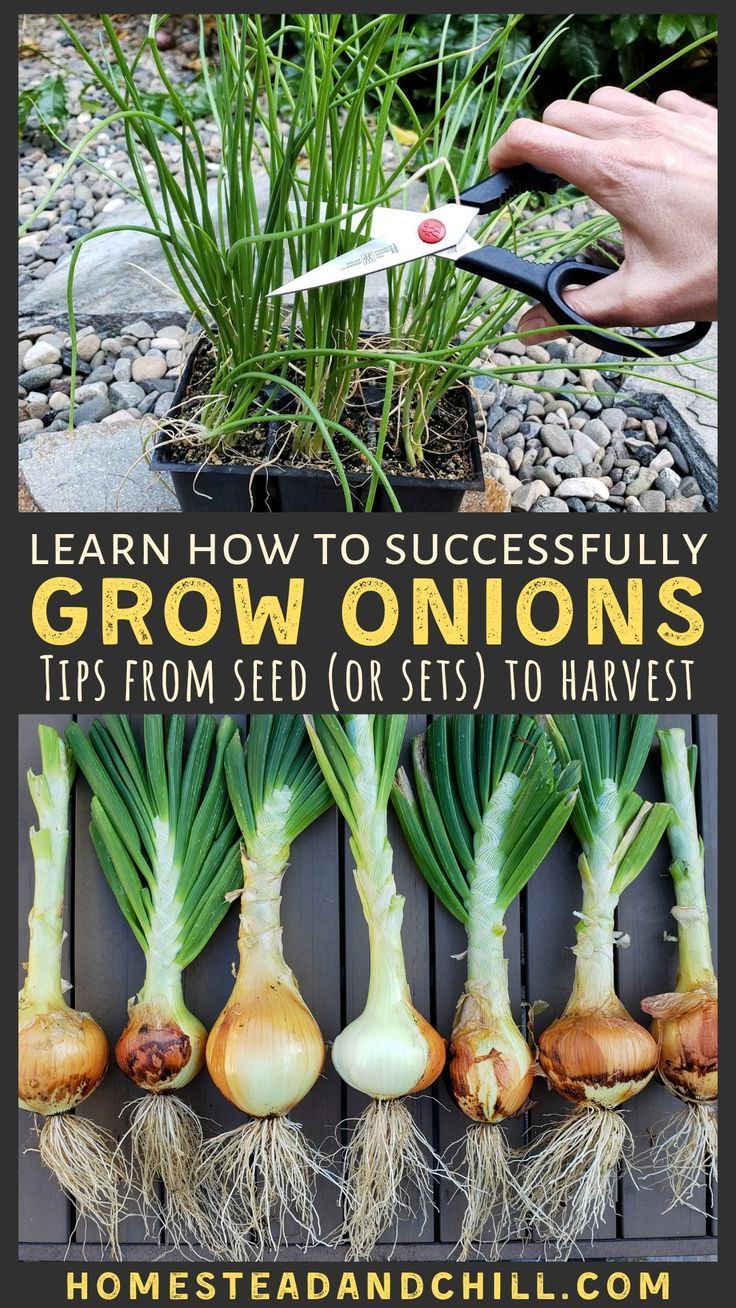
Growing onion from seeds is a rewarding process that allows gardeners to select from a vast array of varieties unavailable as starter plants. This method provides full control over the crop from the very beginning, ensuring healthy, robust plants tailored to your climate. With proper planning and attention, starting onions from seed results in stronger root development and earlier harvests compared to sets.
The journey begins long before the last frost date, as onion seeds require a significant indoor head start. Success hinges on understanding the specific light, temperature, and timing needs of the plant. By mimicking ideal conditions indoors, you can produce vigorous seedlings ready to transplant when the soil warms.
Optimal Timing for Sowing
Calculating the correct sowing date is critical for success. Onion seeds need 8 to 10 weeks of indoor growth before the last expected frost in your area. For most northern climates, this means starting seeds between late February and early March. In warmer regions, you may sow slightly later, but ensure seedlings are hardened off before transplanting into summer heat.


Understanding Daylength Requirements
Onions are photoperiodic, meaning their bulb formation is triggered by day length. It is essential to choose varieties suited to your latitude. Long-day onions require 14 to 16 hours of light to form bulbs and are ideal for northern regions. Short-day varieties, needing 10 to 12 hours, perform best in southern climates closer to the equator.
So介质 and Sowing Techniques
Use a high-quality seed-starting mix that is lightweight, well-draining, and rich in organic matter. Fill seed trays or small pots with the mix and moisten it thoroughly before planting. Plant seeds ¼ inch deep, spacing them about ½ inch apart to prevent overcrowding as they germinate.


- Fill trays with pre-moistened seed starting mix.
- Sow seeds thinly to ensure good air circulation.
- Cover lightly with soil and water gently from the bottom.
- Label trays with the variety and sowing date for easy tracking.
Germination and Early Care
Onion seeds typically germinate in 7 to 14 days when temperatures are consistent. Maintain a warm environment of 65°F to 70°F (18°C to 21°C) until sprouts emerge. Once green growth appears, move seedlings to a location with 12 to 14 hours of direct light or supplement with grow lights to prevent legginess.
Water carefully to keep the soil evenly moist but never waterlogged. Allow the surface of the soil to dry slightly between waterings to reduce the risk of damping-off, a fungal disease that can devastate young seedlings. Thin seedlings to one per cell or pot when they have a couple of leaves, snipping extras at soil level rather than pulling them out.
Transition to Outdoor Planting
Harden off seedlings gradually about 1 to 2 weeks before transplanting outdoors. Begin by exposing them to outdoor shade and wind for a few hours daily, increasing duration and sun exposure each day. This process acclimates the plants to temperature fluctuations and reduces transplant shock.


Select a sunny garden site with loose, fertile soil amended with compost. Space seedlings 4 to 6 inches apart in rows 12 to 18 inches apart. Plant them deep enough to cover the root ball, which encourages a stronger anchor and more uniform bulb development.
Troubleshooting Common Issues
Even with diligent care, challenges may arise. Leggy, spindly seedlings indicate insufficient light; increase exposure immediately. Yellowing lower leaves can signal overwatering or nutrient deficiency, while tip burn might indicate a lack of calcium. Consistent monitoring allows for early intervention.
| Issue | Possible Cause | Solution |
|---|---|---|
| Leggy Growth | Insufficient light | Increase light intensity or duration |
| Damping-off | Fungal disease from wet conditions | Improve airflow and avoid overwatering |
| Bolting (flowering early) | Temperature fluctuations or stress | Plant at the correct time; maintain consistent moisture |


Related Articles
Grow Onions from Seeds Indoors: The Ultimate Step-by-Step Guide
Starting an onion crop from seeds indoors is one of the most rewarding techniques for the home gardener seeking an early harvest. By sowing seeds in a...

The Ultimate Guide to Growing Boxwood from Cuttings: A Step-by-Step Tutorial
Propagating boxwood from cuttings is a reliable method for creating exact genetic copies of your favorite specimens, ensuring consistent shape, color, and...

Grow Onions from Store-Bought: The Ultimate Regrowth Guide
Finding a reliable way to grow your own food often feels complicated, but starting a garden from items you already buy at the grocery store is one of the most...

Grow Green Onions from Seed: The Ultimate Step-by-Step Guide
Growing green onion from seed is a rewarding experience that delivers a continuous supply of fresh, vibrant flavor to your kitchen. Unlike transplanting...

The Ultimate Guide to Growing Enoki Mushrooms: A Step-by-Step Tutorial
Enoki mushrooms, with their delicate crunch and subtle fruity flavor, are a favorite ingredient in Asian cuisine and a fascinating project for the home grower...

Grow Gourmet Fast: The Ultimate Guide to Fast Growing Herbs from Seeds
Establishing a thriving herb garden begins with understanding the potential of fast growing herbs from seeds. For the home cook or the market gardener alike...