How to Get Rid of Heat Stains on Wooden Table: Easy DIY Fixes
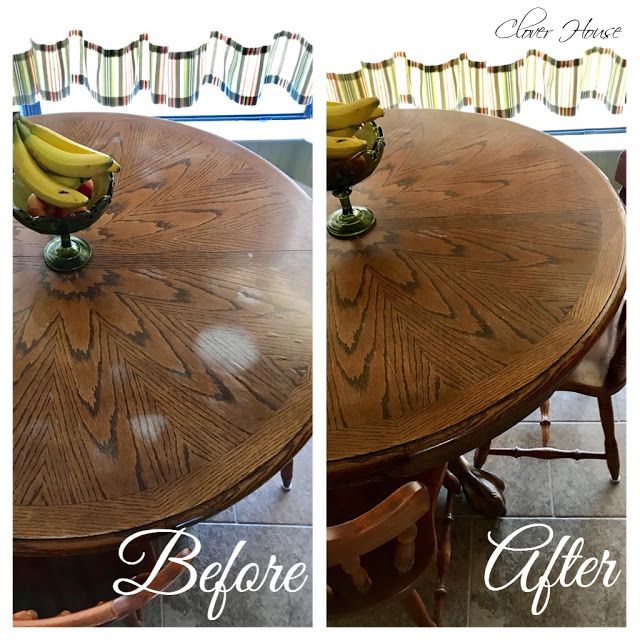
Those faint, cloudy rings marring an otherwise perfect wooden table are more than just an eyesore; they are a constant reminder of a spilled drink that happened weeks ago. These heat stamps, often caused by a hot mug or a serving dish, occur when moisture and heat penetrate the surface finish and draw out the tannins from the wood underneath. The good news is that with a methodical approach and a little patience, you can effectively remove heat stains and restore your table's natural beauty without causing further damage.
Understanding the Science Behind the Stain
Before you reach for any cleaning solution, it helps to understand what is happening on the surface of your table. Heat stains are typically not burns through the wood; rather, they are stains trapped within the finish or, in more severe cases, within the wood cells themselves. The heat from a cup or plate causes the liquid trapped between the wood and the finish to expand, pushing the moisture and pigments deep into the pores. This means the cleaning process is about drawing that moisture and pigment back out, rather than scrubbing away a surface-level discoloration.
Assess the Finish Type
The method you use will largely depend on the type of finish protecting your wood. A table with a thick polyurethane coat will respond differently than one with a delicate oil or wax finish. If you run your fingernail gently across the stain, you might notice a slight ridge where the finish has raised or bubbled. For modern sealants like lacquer or polyurethane, you can be a bit more aggressive with solvents. However, for older tables with oil or wax finishes, you must proceed with gentler methods to avoid stripping the protective layer entirely.


Immediate Response: The Toothpaste Technique
For fresh or shallow heat stains, a common and effective first line of defense is non-gel, white toothpaste. The mild abrasive and drying agents in toothpaste are excellent at pulling moisture out of the finish. You want to apply a very small amount directly to the stain to avoid damaging the surrounding finish.
- Squeeze a small dot of white, non-gel toothpaste onto a soft, dry cloth or a cotton ball.
- Gently rub the toothpaste onto the stain in a circular motion, applying very light pressure.
- Continue rubbing for about 10 to 20 seconds, then wipe the area clean with a damp cloth.
- Buff the area dry immediately with a soft towel to prevent any residual moisture from causing new rings.
Advanced Treatment: The Iron and Paper Method
If the toothpaste fails to lift the stain, you likely need to address the moisture trapped beneath the finish. The iron and paper method is a time-tested technique that uses low heat to encourage the trapped water to rise out of the wood and onto a blotting surface.


- Place a single, smooth, white paper towel or a soft cotton cloth directly over the heat stain.
- Set a household iron to its lowest steam setting and hold it a few inches above the paper.
- Gently press the iron down and move it in slow, small circles for about 10 to 15 seconds.
- Check the paper frequently; you should see a faint dampness or a transfer of the stain appear on the fabric.
- Replace the paper and repeat the process until the stain is no longer transferring.
Final Restoration: Dealing with Remaining Discoloration
Even after successfully lifting the heat stain, you might be left with a slightly lighter or darker area where the finish is now more porous or stripped. This is a normal part of the healing process for the wood. To blend the repaired area seamlessly with the rest of the table, you need to restore the color and the sheen uniformly.
Start by lightly conditioning the area. Apply a high-quality furniture oil or a paste wax with a soft cloth, rubbing it in gently along the grain. Allow it to sit for a few minutes before buffing off the excess. This will help to darken the light spot and increase its water resistance, making it less likely to reappear.
Preventing Future Damage
Once your table looks flawless again, the priority shifts to maintaining that perfection. Heat stains are entirely preventable with the right habits and accessories. The goal is to create a barrier between the hot object and the finish, stopping the transfer of heat and moisture before it begins.


- Always use coasters: Choose coasters with a protective backing or a felt bottom to prevent them from sliding and scratching the wood.
- Employ placemats and tablecloths: For longer-term protection, especially during meals, placemats are an effective shield against spills and heat.
- Use a protective spray: Consider applying a furniture protector spray that adds a water-resistant barrier to the finish, making cleanup spills and heat marks much easier.


Related Articles

How to Remove Water Stains from Wood Table: Easy DIY Solutions
Water marks on a wood table are an inevitable part of daily life, caused by condensation from cold glasses or the heat of a hot coffee mug. While they may seem...

How to Make Chili Less Spicy: 5 Easy Fixes for Heat Relief
There is a distinct panic that sets in when a dish becomes overwhelmingly spicy. The initial heat morphs into a sharp, demanding burn, pushing the meal from...

Static Solutions: Easy Fixes for Static Cling
Static cling is the frustrating phenomenon where your clothes refuse to separate, clinging to your body or each other with unyielding stubbornness. This...

Why Won't My Toilet Flush? Easy Fixes & Troubleshooting Guide
There is perhaps no more frustrating household issue than a toilet that refuses to flush properly. Water swirls, the level rises, and nothing happens, leaving...

The Ultimate Guide to Water Hose Bib Replacement: Easy DIY Fixes & Best Parts
A dripping or frozen outdoor faucet is more than an annoyance; it is a direct pathway for water to waste and damage. The hose bib, the exposed valve you...

How to Get Dried Coffee Stains Out of Clothes: Easy Removal Guide
Few things are as frustrating as discovering a fresh-looking coffee stain on clothing that has already been washed and dried. What once was a minor splash...