How to Remove Heat Stains from Wood Table: Easy DIY Fixes
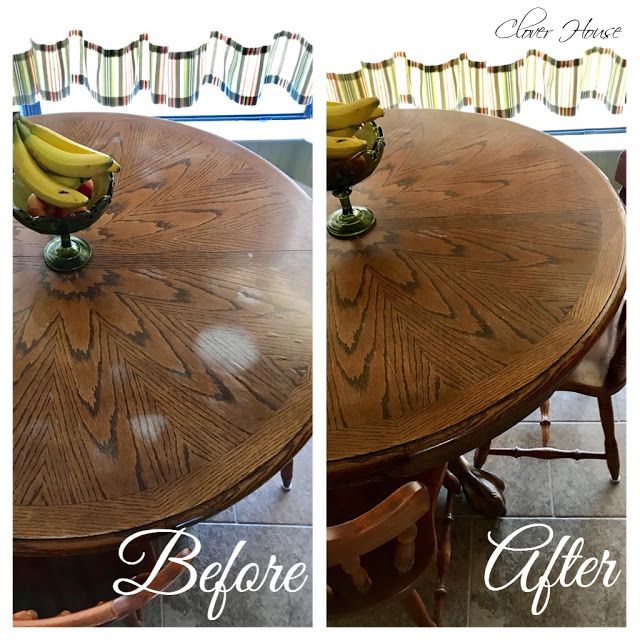
If you have ever placed a hot coffee mug or a steaming pot directly onto your wood table, you know the frustration that follows. The mysterious white ring, often called a heat stain, appears seemingly overnight and can make a beautiful piece of furniture look damaged and neglected. The good news is that most surface-level heat stains are reversible with the right techniques and a little patience. Understanding how heat damages the finish is the first step in learning how to get rid of heat stain on wood table.
Understanding the Science Behind the Stain
To effectively treat a mark, it helps to understand what causes it. Heat stains occur when a hot object breaks down the finish or wax on the wood's surface. Specifically, the moisture and heat from the object cause the finish to absorb the dampness, which expands the wood fibers beneath it. This expansion creates the cloudy or white appearance you see. The process is essentially a moisture barrier failure, rather than a burn that charred the wood, which means it is often fixable without professional help.
Preparation and Safety
Before diving into the specific methods, preparation is key. You should always test your chosen cleaning solution on a small, inconspicuous area of the table first. This ensures that the remedy does not discolor the finish or cause further damage. Additionally, it is important to rule out more serious issues. If the mark is hot to the touch long after the object was removed, or if the wood is actually burned and charred rather than just cloudy, you are dealing with a different issue that requires a different approach.


Method 1: The Mayonnaise or Petroleum Jelly Technique
This is one of the most popular and reliable home remedies because it focuses on replenishing the oils in the finish. The emulsifiers in mayonnaise or the dense hydrocarbons in petroleum jelly work to penetrate the finish and dissolve the trapped moisture. To perform this treatment, you simply apply a generous amount of either product directly to the heat stain.
Step-by-Step Application
- Cover the white spot completely with a thin layer of mayonnaise or Vaseline.
- Place a piece of plastic wrap directly over the treatment to prevent it from drying out and to transfer the oils.
- Secure the plastic wrap with tape if necessary and let it sit for at least one hour, or ideally, overnight.
- After the time has passed, gently wipe the area clean and buff the surface with a soft cloth until the shine returns.
Method 2: The Baking Soda Paste
If the mayonnaise method does not yield results, or if you prefer a more abrasive cleaning action, a baking soda paste is an excellent next step. Baking soda acts as a gentle mild abrasive that can help level out the surface of the finish. When mixed with water, it creates a thick paste that draws out the trapped heat and moisture from the wood pores.


Creating the Paste
Create a paste by mixing equal parts baking crédito soda and water. You want the consistency to be similar to toothpaste. Apply this paste directly to the heat stain using a soft cloth. Rub the paste in a circular motion, applying light pressure. Continue rubbing until the white mark disappears. Be cautious not to scrub too hard, as this could remove too much finish and create a new problem that requires sanding.
Method 3: The Ironing Board Trick
For many homeowners, the easiest solution involves items already in their utility closet. This method utilizes steam to reverse the expansion of the wood fibers. However, caution is required, as too much moisture can make the stain worse. You will need to place a thin barrier, such as a thin cotton cloth or a paper towel, between the iron and the table surface to protect the finish.
How to Use Heat to Fight Heat
- Set your iron to the lowest steam setting.
- Place a clean, dry cloth or a few layers of paper towels over the stain.
- Gently press the iron onto the cloth and move it in a slow, circular motion.
- Check the towel frequently; you should see the moisture begin to absorb the stain from the wood into the towel.
- Stop immediately if the towel becomes too wet to prevent damage.
When to Call a Professional
While the methods above resolve the majority of surface heat stains, there are instances where the damage is too deep. If you have tried multiple remedies and the stain persists, or if the finish is already compromised and flaking, it might be time to refinish the area. Deep stains often require stripping the damaged finish, touching up the raw wood with color, and applying a new coat of polyurethane or varnish to restore the integrity of the table.




Related Articles

How to Remove Water Stains from Wood Table: Easy DIY Solutions
Water marks on a wood table are an inevitable part of daily life, caused by condensation from cold glasses or the heat of a hot coffee mug. While they may seem...

How to Remove Water Stain from Leather Couch: Easy DIY Fixes
Discovering a water stain on your leather couch can feel like a disaster, but it is a challenge that can be met with a calm and methodical approach. Leather is...

Remove Grease Stains from Clothes After Drying: The Ultimate Guide
Discovering a fresh grease stain on a recently dried load of laundry feels like a setback, but it is far from a permanent one. While heat from the dryer...

Remove Melted Fabric from Iron: Easy Fixes & Tips
A melted fabric disaster on your iron is more than an inconvenience; it is a sticky, smoky challenge that threatens to turn your essential pressing tool into a...

Effortless Concrete Stain Removal: The Ultimate How-To Guide
Concrete is the workhorse of outdoor spaces, providing a durable and cost-effective foundation for driveways, patios, and walkways. However, its porous nature...

Remove Oil Stains from Clothes: The Ultimate How-To Guide
Few things are as frustrating as discovering an oil stain on your favorite shirt right before an important meeting or social event. Whether it is a splash of...