The Ultimate Guide to Killing Bermuda Grass in Flower Beds: Fast & Effective Methods
Bermuda grass is one of the most aggressive and frustrating weeds a gardener can face, especially when it invades a carefully curated flower bed. Its aggressive rhizome and stolon system allow it to spread rapidly, choking out desirable plants and disrupting the visual appeal of your landscape. Simply pulling the visible green blades is rarely effective, as the roots and underground stems quickly regenerate. To reclaim your flower bed, you need a strategy that targets the entire root system while protecting your valuable ornamental plants.
Understanding the Enemy: Why Bermuda Grass is So Difficult
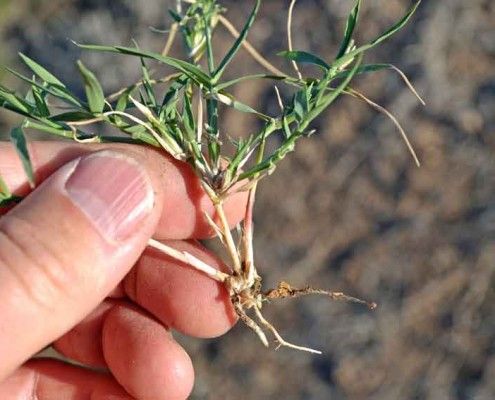
To effectively eliminate Bermuda grass, you must understand its biology. This perennial warm-season grass thrives in heat and sunlight, storing energy in an extensive network of rhizomes and stolomes deep within the soil. These structures allow it to survive frost, drought, and even cutting or digging. Furthermore, a single fragment of rhizome left behind can regenerate into a new, independent plant. This resilience is what makes standard weeding methods insufficient and why a multi-pronged approach is essential for permanent control.
Manual Removal: Digging Out the Root System
For small infestations or as a first step in a larger plan, manual excavation can be effective. The goal is not just to remove the green parts but to extract the entire root network, which can extend several inches below the soil surface. Use a sharp spade or a digging fork to loosen the soil around the clump, prying carefully to minimize breaking the rhizomes. Inspect the excavated soil meticulously; even a small piece left behind can lead to regrowth. This method is labor-intensive but chemical-free and immediately removes the bulk of the invasive plant.


Steps for Effective Manual Digging
- Water the area thoroughly a day before to soften the soil and make extraction easier.
- Dig a trench around the visible grass, at least 6 inches away from the clump.
- Insert your tool vertically to sever deep rhizomes, then lever the soil upward to lift the entire root mass.
- Sift through the removed soil by hand to find and discard any missed rhizome fragments.
Solarization: Using the Power of the Sun
If your climate offers long, hot summers, solarization is an excellent non-chemical option. This process uses the sun's energy to literally cook the grass and its seeds up to several inches below the soil surface. Clear plastic sheeting creates a greenhouse effect, raising soil temperatures to levels lethal to Bermuda grass. While it requires patience and good weather, it is one of the most effective ways to treat a larger area without introducing chemicals to your flower bed.
To apply this method, mow the grass short and water the area to conduct heat deep into the root zone. Lay clear plastic sheeting tightly over the treated area, anchoring the edges completely with soil or rocks to prevent heat from escaping. Leave the plastic in place for four to six weeks, allowing the heat to penetrate and sterilize the upper layers of soil. Remove the plastic afterward and wait a few weeks before planting to ensure any surviving roots decompose.


Chemical Control: Targeted Herbicide Application
When manual labor is impractical or the infestation is severe, selective herbicides become a powerful tool. The key is choosing the right product for the situation. Glyphosate is a non-selective herbicide that kills any plant it touches, requiring careful shielding of your flower bed. Conversely, grassy-selective herbicides like fluazifop or sethoxydacin are designed to kill Bermuda grass while leaving most broad-leaved flowers unharmed. Always read the label meticulously to ensure the product is approved for use around your specific flower varieties and to follow dosage instructions exactly.
Apply the herbicide on a calm, dry day when the grass is actively growing, usually in late spring or summer. Spray the blades until they are lightly coated but not dripping. Reapplication is often necessary because the chemical must be transported down to the rhizomes to be effective. Patience is required, as the process can take several weeks to show complete results.
Preventative Maintenance and Garden Hygiene
After successfully removing the grass, vigilance is critical to prevent its return. Bermuda grass spreads via seeds and fragments, which can be easily tracked in on shoes, tools, or mulch. Maintain a thick, healthy stand of your desired flowers or ground cover to shade the soil and prevent any stray Bermuda seeds from germinating. A layer of mulch not only conserves moisture but also acts as a physical barrier, inhibiting light-dependent weed seeds.


Regularly inspect the border of your flower bed for any new shoots and remove them immediately before they establish. By combining initial aggressive treatment with consistent preventative care, you can protect your ornamental investment and maintain a vibrant, weed-free garden space.




Related Articles

The Ultimate Guide to Killing Clover in Your Yard: Fast & Effective Methods
Finding soft, green clover patches invading your lawn can feel like a personal failure for any homeowner striving for a pristine yard. While the flower is...

The Ultimate Guide to Killing Tree Stumps: Fast & Easy Methods
Removing a tree is only half the battle; the stubborn remnant left in the ground is often the most frustrating part of the job. A tree stump can be an...

The Ultimate Guide to Killing Shoe Mildew: Fast, Effective Solutions for Fresh Feet
Finding a fuzzy patch of mildew on your favorite pair of shoes is a disheartening experience. Beyond the aesthetic damage, that stubborn growth can emit a...

The Ultimate Guide to Killing Hornet Nests: Safe & Effective Methods
Discovering a hornet nest on your property is an urgent situation that requires immediate and careful action. These large, aggressive insects build papery...

The Ultimate Guide to Killing Thistle: Effective Methods & Prevention
Thistle, while visually striking to some, is a notorious invasive weed that chokes out desirable plants, reduces pasture quality, and creates havoc in gardens...

Kill Weeds in Zoysia Grass: The Ultimate Safe & Effective Guide
Maintaining a pristine zoysia lawn requires vigilance, especially when it comes to managing invasive weeds. This warm-season grass is celebrated for its dense...