How to Get Beetroot Seeds from Beetroot: A Step-by-Step Guide
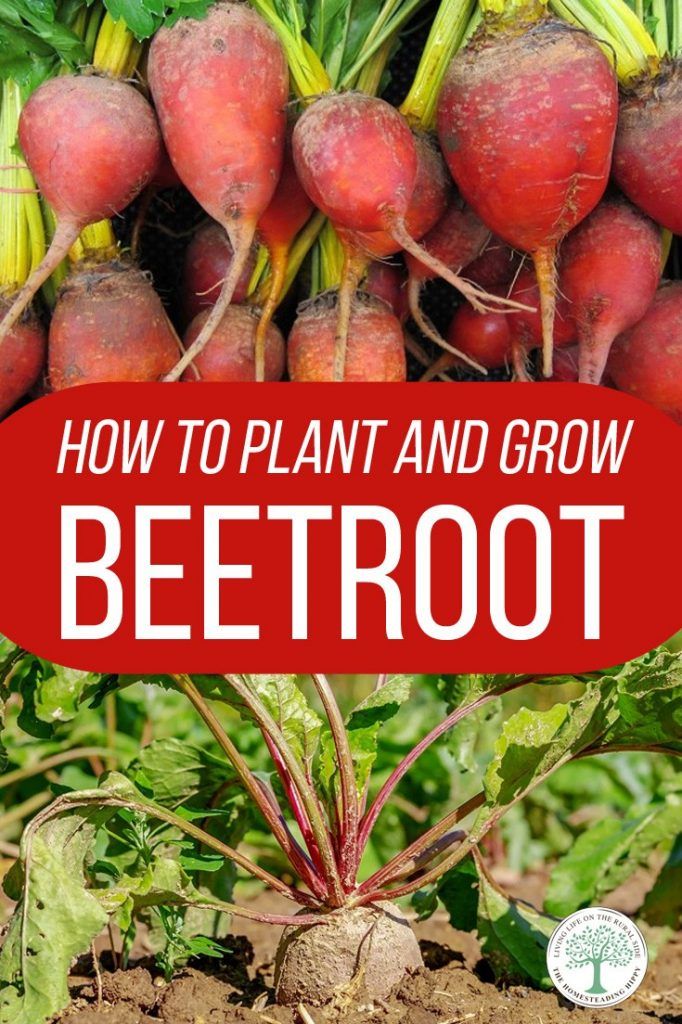
Harvesting beetroot seeds is a rewarding process that transforms a simple root vegetable into the basis for next year’s crop. While most gardeners grow beets for their tender roots and leafy greens, allowing a few plants to mature fully and bolt provides the opportunity to collect viable seeds for future sowing. Understanding the botanical structure and growth cycle of the beet ensures you select the right plants, protect your harvest from cross-pollination, and process the seed heads at the optimal time for maximum germination.
Beets (Beta vulgaris) are biennial plants, which means they complete their life cycle over two years if left uninterrupted. In the first year, they focus on vegetative growth, developing the familiar roots and leaves that we eat. If you allow a plant to overwinter or bolt in the second year, it sends up a tall flowering stalk that eventually produces seeds. Knowing this lifecycle is essential for planning which plants to save seeds from and when to intervene for the best results in your garden.
Choosing the Right Plants for Seed Saving
The foundation of successful seed saving begins long before the flowers appear. You should select open-pollinated, heirloom varieties rather than hybrids, because hybrids may not come true to type, resulting in unpredictable vigor, color, or shape in the next generation. Look for healthy, robust plants that show strong resistance to common diseases such as leaf spot and bolting. By starting with resilient parent stock, you increase the likelihood of producing vigorous seeds that perform well in your specific growing conditions.


Preventing Cross-Pollination
Beets are wind-pollinated and can cross with related species in the same botanical family, including chard and spinach beet, which complicates seed purity if you grow multiple varieties nearby. To maintain the genetic integrity of your chosen variety, isolate your seed plants by at least several hundred meters or time their flowering with other crops. Alternatively, you can hand-pollinate individual flowers or use fine mesh bags to protect the seed heads, ensuring the seeds you collect are true to the parent plant.
Encouraging Bolting and Flowering
In the second year, beets naturally transition to reproduction when they receive longer days and warmer temperatures. You can encourage this process by leaving the roots in the ground as days lengthen, or by carefully lifting and storing roots over winter for replanting in early spring. Provide consistent moisture and avoid stressing the plants with drought or sudden temperature fluctuations, as these conditions can cause excessive bitterness or premature flowering that reduces seed yield.


Managing the Flowering Stalk
Once the flowering stalk emerges, it can reach considerable height and is often surrounded by clusters of small, greenish flowers that gradually develop into hard, spiny seed clusters. Stake taller stalks if necessary to prevent them from breaking in wind or rain. Monitor the plants regularly for pests such as aphids, which can weaken the flowering stems, and remove any diseased foliage to maintain overall plant health through the reproductive phase.
Harvesting and Processing Beet Seeds
Seed heads are ready for harvest when the majority of the flowers have dried and formed a fuzzy, brown structure that resembles a small lollipop or mop. Cut the entire seed head carefully, leaving a short stem attached, and place it in a paper bag to dry further in a warm, well-ventilated area. After a week or two, gently rub the seed heads to release the individual seeds, then winnow or sieve the mixture to separate the chaff from the viable seeds.
| Stage | What to Look For | Action Required |
|---|---|---|
| Early Flowering | Tall stalk with small green buds | Stake plant, monitor for pests |
| Full Bloom | Clusters of tiny flowers fading | Ensure isolation to prevent cross-pollination |
| Seed Maturation | Dry, spiny clusters forming at flower bases | Allow to dry on plant or harvest late morning |
| Harvest Ready | Most flowers dry, heads rustle when shaken | Cut heads, bag loosely, dry indoors |
Proper storage is the final step in preserving your beetroot seeds for future seasons. Spread the cleaned seeds in a single layer on a tray for a few days to ensure they are thoroughly dry, as any remaining moisture can lead to mold or reduced germination. Store the seeds in labeled, airtight containers in a cool, dark place, and consider placing a desiccant packet inside to control humidity. When stored correctly, beet seeds can remain viable for up to four years, allowing you to replenish your garden year after year with minimal expense.




Related Articles

How to Plant Squash Seeds: The Ultimate Step-by-Step Guide
Planting a squash seed is a rewarding experience that connects you directly to the source of one of the most versatile and prolific vegetables. Whether you...

Grow Bleeding Heart from Seed: The Ultimate Step-by-Step Guide
Growing bleeding heart from seed is a rewarding journey that transforms a tiny, dust-like kernel into one of the most enchanting woodland perennials for the...

Master the Art of Saving Calendula Seeds: A Step-by-Step Guide
Saving calendula seeds is a rewarding practice that connects you directly to the lifecycle of one of the garden’s most resilient and beneficial plants...

Grow Nectarine from Seed: A Complete Step-by-Step Guide
Growing a nectarine tree from a seed is a rewarding endeavor that connects you to the fundamental cycle of plant life. While the process requires patience, as...

Grow Magnolia Tree from Cuttings: Step-by-Step Guide
Propagating a magnolia tree from cuttings is a rewarding endeavor that allows you to replicate the exact qualities of a favorite specimen. While the process...

The Ultimate Scratch Blackberry Pie Recipe: A Step-by-Step Guide
Making blackberry pie from scratch is a rewarding endeavor that captures the deep, tart sweetness of summer in every flaky bite. This dessert celebrates the...