How to Draw Anime Characters for Beginners: Easy Step-by-Step Guide
Drawing anime characters for the first time can feel overwhelming, but the process becomes manageable when broken down into fundamental principles. This guide focuses on building a solid foundation rather than copying specific styles, emphasizing anatomy, perspective, and consistent practice. By understanding how the head, body, and features relate to one another, you can create characters that look balanced and dynamic regardless of the specific aesthetic you aim to achieve.
Before putting pencil to paper, it is essential to prepare your workspace and mindset. A comfortable setup with good lighting, quality paper, and reliable pencils allows you to focus on the craft without distractions. Equally important is adopting a learner’s mindset: expect your initial lines to be imperfect and view every sketch as a step toward improvement. This mindset shift transforms frustration into curiosity, making the learning process both sustainable and enjoyable.
Core Foundations of Anime Proportions
Anatomy serves as the skeleton of any drawing, anime included. While the style is simplified, the underlying structure relies on real human anatomy to maintain plausibility. Beginners often struggle with issues like characters appearing top-heavy or limbs too short, which stems from misunderstanding these core proportions. Grasping the standard head-to-body ratio is the fastest way to create characters that feel stable and coherent.


Head as the Measurement Unit
In anime art, the head is traditionally used as the primary unit of measurement for the entire body. An average adult character is usually drawn between seven to eight heads tall, while a younger character or child might range from four to five heads. By stacking these head units vertically, you establish the correct scale for the neck, torso, legs, and arms, ensuring the figure remains proportional regardless of height.
Constructing the Head and Facial Features
The head is the anchor of any character, and mastering its construction prevents many common drawing errors. Instead of drawing a perfect circle, visualize the head as a slightly flattened sphere or an egg shape, which better represents the three-dimensional volume of the skull. This foundational shape determines how the hair, jaw, and neck will integrate with the rest of the body.


Facial features require a systematic approach to avoid placing eyes too low or the mouth in the wrong position. A reliable method involves dividing the face vertically and horizontally into thirds. The eyes typically sit on the horizontal middle line, the nose rests in the lower third, and the mouth aligns with the upper part of that section. This grid acts as a guide, ensuring features are spaced evenly and aligned correctly.
Body Structure and Dynamic Posing
Once the head is established, the focus shifts to the body, where balance and weight distribution become critical. Anime characters often utilize a simplified skeletal structure known as the "stick figure" method, where lines represent the spine, limbs, and joints. Building the form on top of this framework ensures that actions like walking, running, or sitting maintain logical weight and balance before details are added.
Hands and Feet: The Final Details
Hands and feet are frequently cited as the most difficult parts of the human body to draw, yet they are vital for conveying realism within an anime style. To manage this complexity, beginners should reduce these extremities to basic shapes—such as cylinders, rectangles, and spheres—before refining the fingers and toes. Observing how these joints bend and compress during movement is more valuable than memorizing a static template, as it allows you to adapt the form to any action you envision.


Developing Your Personal Style
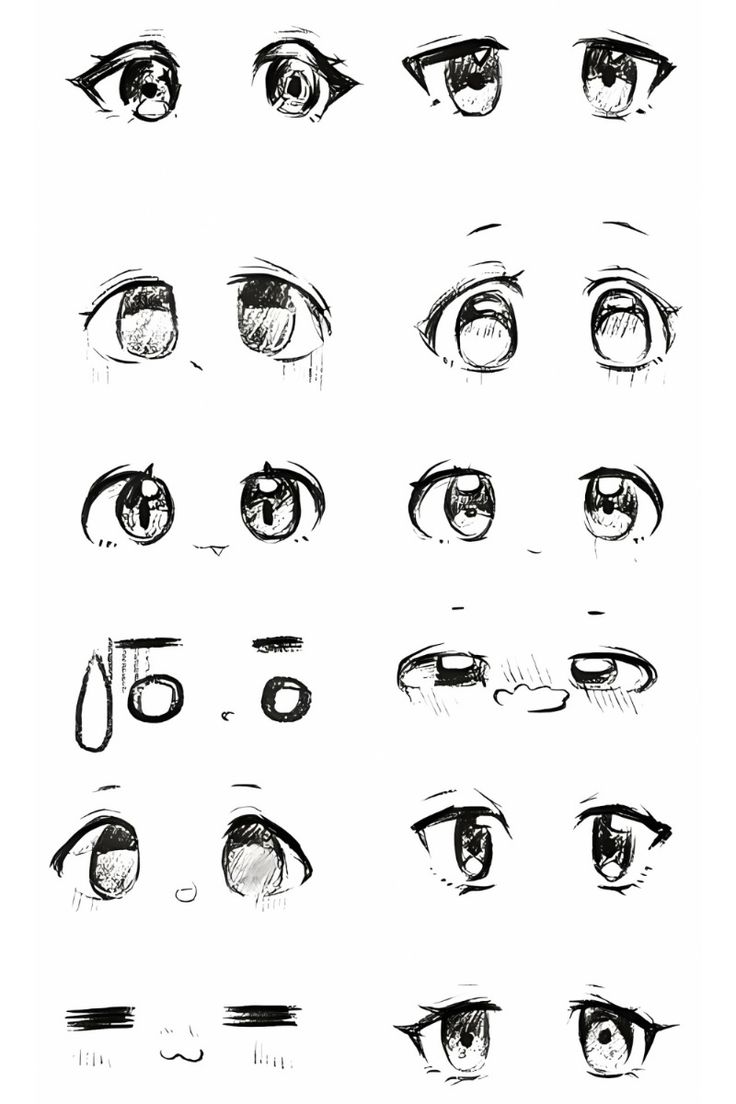
Technical proficiency provides the tools, but style is what gives your art a distinct voice. A style is not merely about sharp eyes or cute faces; it is the consistent approach to line weight, shading, and character design that makes your work recognizable. Experimenting with different stylistic choices—such as varying eye shapes, hairstyle complexity, or clothing details—helps you discover what visually resonates with you.
Consistent practice is the bridge between understanding these techniques and executing them instinctively. Dedicate time each day to sketching specific elements, whether it is a single eye, a hand gesture, or a full-body pose. By concentrating on incremental improvements and analyzing your work with a critical eye, you transform effort into skill, gradually unlocking the ability to draw anime characters with confidence and individuality.


Related Articles

How to Draw a Plane Easy: Simple Step-by-Step Guide for Beginners
Drawing a plane easy is a rewarding experience that combines simple shapes with recognizable features. This guide breaks down the process into clear steps...

Easy to Draw Flower: Simple Step-by-Step Guide for Beginners
Discovering easy to draw flower motifs is often the perfect starting point for any aspiring artist. The simple structure of petals and a center provides a...

How to Draw a Cap: Easy Step-by-Step Guide
Learning how to draw a cap is an excellent way to improve your understanding of form, perspective, and texture. A cap acts as a versatile subject, suitable for...

Master How to Draw Lines in Photoshop: Easy Step-by-Step Guide
Mastering the line is fundamental to digital art, and Adobe Photoshop provides a robust set of tools to create everything from subtle design guides to...

How to Draw a Stamp: Easy Step-by-Step Guide
Creating a stamp by hand is a rewarding process that combines precise technical drafting with artistic design. Whether you are producing a custom rubber stamp...

How to Draw a Cartoon Fox: Easy Step-by-Step Guide
Learning how to draw a cartoon fox is an excellent way to build fundamental sketching skills while capturing one of nature’s most charismatic animals. Foxes...