Oven-Perfect Beef Steak: The Ultimate How-To Guide for Tender, Juicy Results
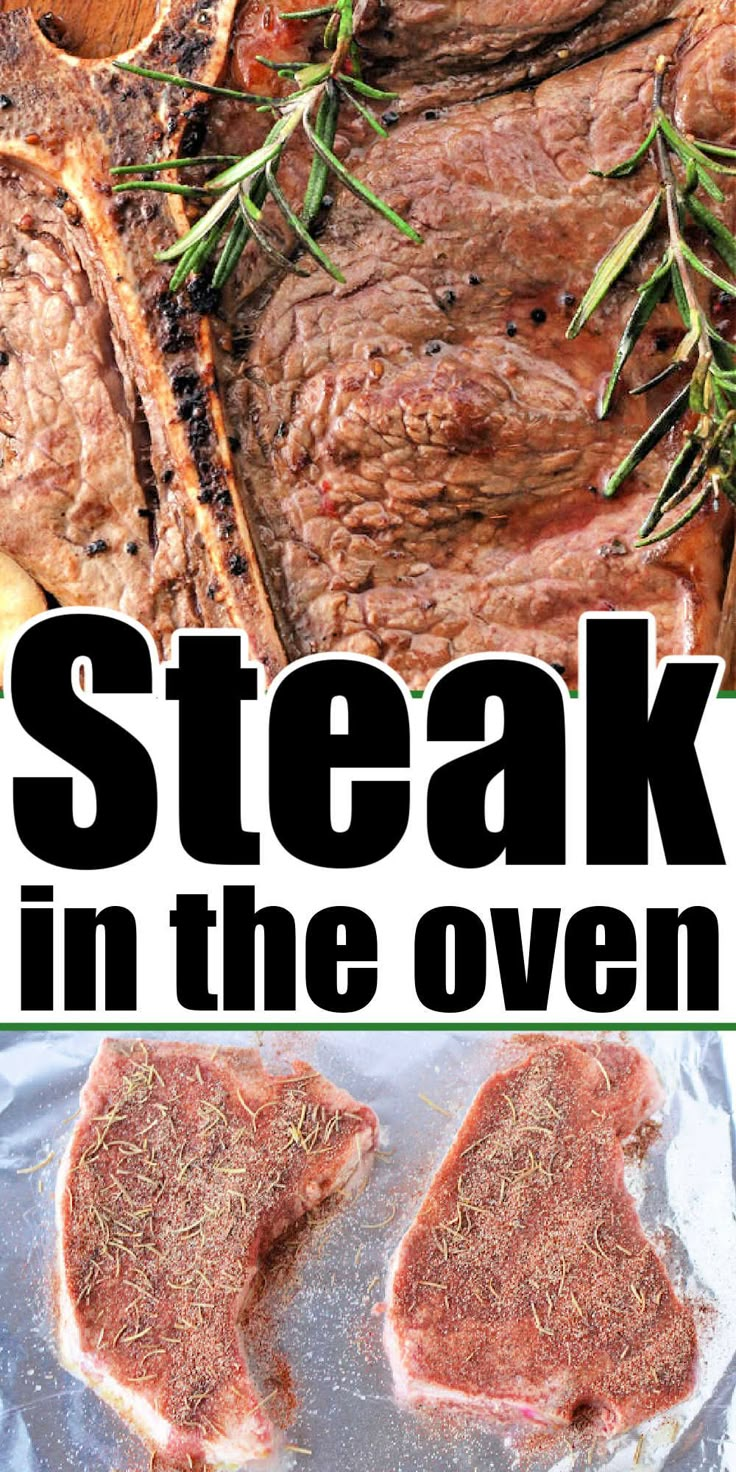
Cooking beef steak in the oven is a method that marries the intense flavor of a seared crust with the precise, controlled heat of convection cooking. While the grill and stovetop are classic choices, using your oven provides a reliable alternative that delivers consistent results, especially for thicker cuts. This technique allows you to achieve a perfect medium-rare or your desired level of doneness without the constant monitoring required on the grill.
Understanding the Science Behind Oven-Cooked Steak
The goal of any great steak is a flavorful, caramelized exterior and a tender, juicy interior. Oven cooking works by first creating that Maillard reaction—the chemical reaction between amino acids and reducing sugars that gives browned food its distinctive flavor—through high-heat searing. Then, the enclosed environment of the oven allows heat to penetrate evenly from all sides, cooking the meat through gently and uniformly. This method minimizes moisture loss compared to other high-heat techniques, helping to retain the steak's natural juices.
Essential Preparation: From Choosing the Cut to Bringing to Room Temperature
The foundation of a perfect oven-cooked steak begins long before it hits the oven. Selecting the right cut is paramount; look for well-marbled options like Ribeye, New York Strip, T-bone, or Filet Mignon. Marbling, the flecks of fat within the muscle, melts during cooking and bastes the meat, ensuring it remains incredibly juicy and flavorful. Equally important is bringing your steak to room temperature about 30 to 45 minutes before cooking. Taking it out of the refrigerator allows the meat to cook more evenly, preventing the outside from overcooking while the center remains cold.


Key Steps in Preparing Your Steak
- Pat the steak completely dry with paper towels—this is critical for achieving a good sear.
- Season generously with kosher salt and freshly ground black pepper just before cooking.
- For extra flavor, consider adding a light coating of high-smoke-point oil, such as grapeseed or avocado oil.
The Sear: Locking in Flavor Before the Oven
While the oven does the majority of the cooking, you cannot skip the stovetop sear. This step is non-negotiable for building deep, complex flavor. Heat a heavy oven-safe skillet, like cast iron or stainless steel, over high heat until it is shimmering. Add the oiled steak and Sear each side for 2-3 minutes until a dark brown crust forms. This process not only adds incredible taste but also helps to seal the surface, creating a barrier that preserves the juices as the steak finishes cooking in the oven.
Oven Assembly and Temperature Control
Once the steak has developed a beautiful sear, it’s time to transfer it to the oven. Preheat your oven to a temperature between 350°F (175°C) and 450°F (230°C), depending on your desired outcome and the thickness of the cut. For a more gentle, even cook, use 350°F; for a faster cook that retains more moisture, 400°F to 450°F is ideal. Place the hot skillet with the steak into the oven and cook until the internal temperature reaches your target. Use a reliable instant-read meat thermometer for accuracy, inserting it horizontally into the thickest part of the steak without touching bone.


| Desired Doneness | Internal Temperature (°F) | Internal Temperature (°C) |
|---|---|---|
| Rare | 120-125°F | 49-52°C |
| Medium Rare | 130-135°F | 54-57°C |
| Medium | 140-145°F | 60-63°C |
| Medium Well | 150-155°F | 66-68°C |
| Well Done | 160°F+ | 71°C+ |
The Finishing Touch: Resting for Perfection
Removing the steak from the oven is a critical moment, but what you do next is just as important as what you did before. Letting the steak rest is not a myth; it is a necessary step. Transfer the cooked steak from the skillet to a clean cutting board or warm plate and tent it loosely with foil. Allow it to rest for at least 5 to 10 minutes. During this time, the muscle fibers, which have tightened during cooking, relax and reabsorb their juices. If you cut into the steak immediately, all those precious liquids will spill out onto the board, resulting in a dry piece of meat rather than a succulent one.
Serving and Enhancing the Flavor
After the resting period, slice your steak against the grain. This simple technique shortens the muscle fibers, making each bite significantly more tender. Serve it immediately to enjoy the steak at its optimal temperature and texture. To elevate the dish further, consider adding a final flourish—a pat of compound butter infused with garlic and herbs, a drizzle of high-quality balsamic glaze, or a sprinkle of flaky sea salt. These small additions can transform an excellent oven-cooked steak into an unforgettable meal, perfect for a special occasion or a sophisticated weeknight dinner.




Related Articles

Oven-Perfect Beef Tri Tip: The Ultimate Guide to Cooking Tender, Juicy Roast全省
Cooking beef tri tip in the oven is a game-changer for home cooks seeking a restaurant-quality meal without the complexity. This triangular cut from the bottom...

Oven-Perfect Ribs: The Ultimate Slow Cook Guide for Tender, Fall-Off-The-Bone Results
Few dishes deliver the same level of comfort and satisfaction as perfectly cooked ribs, and achieving that melt-in-your-mouth tenderness doesn't require a...

Oven-Perfect Tenderloin: The Ultimate Guide to Cooking Tender, Juicy Tenderloin at Home
Mastering how to cook tenderloin in oven is a culinary skill that transforms an already premium cut into a show-stopping centerpiece. This lean, pivotally...

Crispy Shredded Beef in Oven: Ultimate Guide to Tender, Flavorful Results
Shredded beef in the oven is a culinary technique that transforms a simple cut of meat into a tender, flavorful centerpiece for countless meals. This method...

Perfect Oven Roasted Beef Tenderloin: Ultimate Guide to Tender, Juicy Cuts
Beef tenderloin in the oven represents the pinnacle of classic, elegant dining. This specific cut is celebrated for its remarkable tenderness and lean profile...
Oven-Perfect Ribeyes: The Ultimate Guide to Cooking Tender, Juicy Steaks at Home
Few culinary experiences rival the satisfaction of pulling a perfectly cooked ribeye from the oven. The rich marbling, the deep brown crust, and the tender...