How Often to Replace Garage Door Springs: Expert Guide & Schedule
Your garage door springs are the unsung heroes of your home’s daily routine. Every time you open or close the door, these critical components are handling immense tension to lift hundreds of pounds with effortless ease. Because this motion is constant and the stress is significant, the metal coils are subjected to wear that is not immediately visible. Understanding the lifecycle of these parts and determining how often to replace garage door springs is essential for preventing sudden failures that can leave your door stuck mid-air or, worse, cause a hazardous collapse.
While the springs are engineered to last, they are not invincible. The frequency of replacement is not a one-size-fits-all answer; it depends heavily on the material, the quality of the installation, and the climate in which you live. A proactive approach to maintenance can save you from emergency repairs, which are often more expensive and inconvenient. By staying informed about the signs of fatigue, you can ensure your garage door operates safely and efficiently for years to come.
Lifespan Expectations: Cycles vs. Time
When discussing longevity, professionals measure garage door springs in cycles, where one cycle equals one complete opening and closing of the door. For standard residential Torsion springs, the average lifespan typically ranges from 10,000 to 20,000 cycles. If you open and close your door four times a day, you can calculate roughly how many years the spring will last. Extension springs, which run parallel to the tracks, generally have a shorter lifespan of about 7,500 to 10,000 cycles due to the different mechanics of their operation.


However, cycle count is only half the story. Time also plays a crucial role. Even if you do not use your garage door frequently, the metal in the springs is still aging. Environmental factors like humidity, temperature fluctuations, and exposure to corrosive elements like road salt can degrade the integrity of the steel over time. As a general rule of thumb, most manufacturers and technicians recommend a proactive replacement every 7 to 12 years, regardless of cycle count, to mitigate the risk of sudden failure.
Torsion vs. Extension Springs
The type of spring system your door uses significantly impacts the replacement schedule. Torsion springs, located above the garage door, are generally considered safer and more durable. They are designed to twist and store energy, which subjects the metal to a more consistent and manageable stress. Because of this design, they often hit the higher end of the cycle lifespan, frequently reaching 15,000 cycles or more with proper care.


Extension springs, on the other hand, stretch and contract to perform the same lift. This constant elongation puts them under immense strain, making them more prone to metal fatigue. These springs are also more likely to suffer from rust and wear on the hardware clips that secure them. Consequently, if your home relies on extension springs, you should monitor them more closely and plan for replacement on the more conservative side of the 7,000-cycle estimate.
Warning Signs That Replacement Is Due
Rust is the most common visible enemy of garage door springs. While a surface level of rust is often cosmetic, the presence of reddish dust or flaking indicates the metal is deteriorating. More importantly, you should be acutely aware of the sounds your door makes. A loud, sudden "bang" or "pop" during operation is a classic sign of a broken spring. If you hear grinding or squeaking, it may indicate that the spring is struggling under the load, signaling that it is nearing its breaking point.
Visual inspection can reveal critical clues. Look for gaps in the winding of the torsion spring or gaps in the stretched extension springs. If the spring appears stretched longer than its original configuration or is visibly bending to one side, it is unsafe and must be addressed immediately. Do not attempt to repair a broken spring; the energy stored in the metal is dangerous and requires a professional to handle the replacement.


Factors That Accelerate Wear
Not all springs wear down at the same rate, and several variables can shorten their functional life. One of the biggest culprits is a misaligned or poorly balanced door. If the door is too heavy for the spring system, the springs are forced to work overtime, leading to premature fatigue. Similarly, a lack of lubrication on the moving parts increases friction, which generates heat and stress on the metal coils.
Frequency of use is another determining factor. A garage that serves as a home gym or a workshop will see significantly more traffic than a seasonal storage space. The more cycles the spring endures, the sooner it will reach its limit. Investing in high-quality, reinforced springs during installation can be a wise decision for high-use garages, as they are designed to handle a greater number of cycles before needing replacement.
Preventive Maintenance Schedule
To extend the life of your springs and ensure safety, implementing a regular maintenance routine is crucial. You do not need to be a mechanic to care for these components; simple steps go a long way. Applying a silicone-based lubricant to the tracks, hinges, and springs every six months reduces friction and helps the hardware move smoothly. Additionally, visually inspecting the springs quarterly for rust or deformation allows you to catch problems before they escalate.


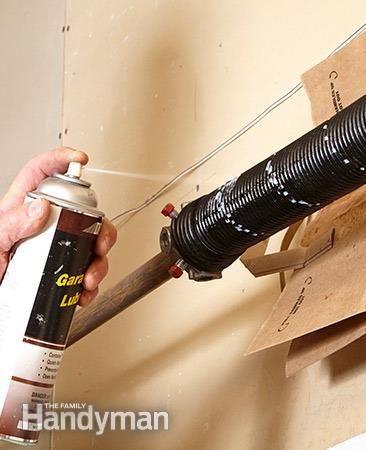


While you should never adjust the tension on the springs yourself, you can test the balance of the door periodically. With the door closed, lift it manually about halfway up the track. If it stays in place, the balance is good. If it falls or shoots up, the springs are likely off, and you should contact a technician. By staying vigilant with these checks, you can maximize the time between replacements and ensure your garage door remains a reliable asset to your home.
Related Articles
Durable Dasma Garage Door Springs: Expert Installation & Repair
When your garage door fails to open, the immediate culprit is often a tensioned component working in opposition to gravity. For the vast majority of...

How Often Septic Pumping: Expert Schedule & Cost Guide
Understanding how often septic pumping is necessary is the single most important factor in preventing a system failure. A septic system is a complex ecosystem...

Replacing Torsion Springs on a Garage Door: Cost, Tools, and Safety Guide
Few household maintenance tasks are as critical yet overlooked as the condition of your garage door’s torsion springs. These tightly wound components manage...

Cracking the Code: Garage Door Extension Springs Color Chart & Guide
When a garage door fails to ascend properly, the culprit is often a set of extension springs working tirelessly behind the scenes. Understanding the specific...

The Ultimate Guide to Garage Door Roller Lube: Quiet, Smooth Operation
Overhead garage doors rely on a network of small yet critical components to operate smoothly, and the roller is one of the most vital. These wheels bear the...

How Often Should You Flush Your Hot Water Heater? Expert Guide
Maintaining your home’s hot water heater often feels like a chore, but understanding how often to flush the system is one of the most critical steps in...