How Much Water Do Tomatoes Need? The Ultimate Guide to Perfect Tomato Hydration
Tomatoes are composed of roughly 95% water, making hydration a non-negotiable factor for their growth, nutrient uptake, and final flavor profile. Getting the moisture levels correct is the difference between a brittle, flavorless fruit and a succulent, garden-fresh tomato, yet it is one of the most commonly misunderstood aspects of cultivation. Unlike surface-level watering that keeps the soil merely moist, tomato success requires a strategic approach that addresses root depth, soil composition, and environmental stress.
Understanding the Tomato's Thirst
To grasp how much water tomatoes need, it is essential to understand their biological infrastructure. The primary drinking straws for a tomato plant are its roots, which typically spread out in a wide, shallow mat just beneath the soil surface. However, given the right conditions, roots can plunge significantly deeper, seeking out distant water sources. This natural tendency is the foundation of the deep watering method, a practice that encourages roots to grow downward rather than remaining shallow and vulnerable to surface drought.
The Critical Growth Stages
Water requirements are not static; they fluctuate dramatically throughout the tomato's lifecycle. The initial planting phase demands consistent moisture to help the roots establish and to prevent the young seedling from experiencing transplant shock. As the plant transitions to vegetative growth, it requires ample water to support stem and leaf development. However, the most crucial phase is the fruit set and ripening stage, where the plant directs energy toward swelling the fruit; here, inconsistent watering is the primary culprit behind the devastating condition known as blossom end rot.


Ideally, tomato plants require approximately **1 to 2 inches of water per week**. This measurement refers to the total amount of water that settles in the root zone, whether it comes from rainfall or irrigation. To visualize this, imagine placing a shallow container next to your plant; over the course of seven days, it should collect roughly that depth of water. During the peak of summer heat, or in sandy soil that drains rapidly, this amount may need to increase toward the 2-inch mark to prevent stress.
Techniques for Efficient Delivery
Watering methodology is just as important as the volume. Sprinklers and overhead watering are common but inefficient for tomatoes, as they wet the leaves and fruit. This moisture on the surface invites fungal diseases like blight and powdery mildew. The most effective strategy is to apply water directly to the soil at the base of the plant.

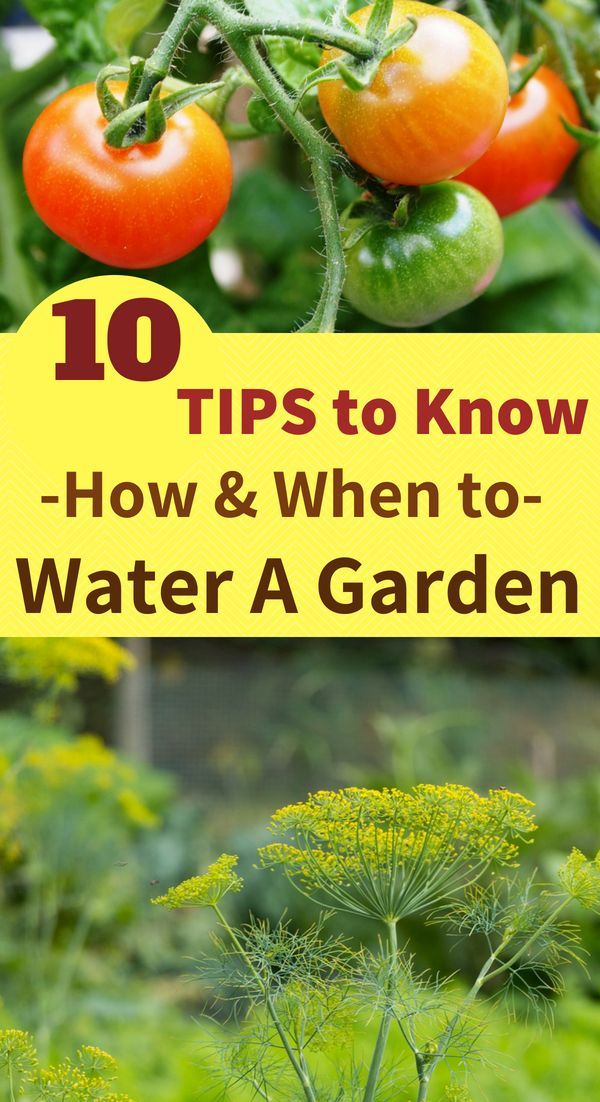

- Drip Irrigation: This system delivers water slowly and directly to the root zone, minimizing evaporation and keeping foliage dry.
- Soaker Hoses: Porous hoses that seep water along their length are an affordable alternative to drip systems.
- Deep Watering: Water slowly and deeply 1 to 2 times per week rather than shallow, daily sprinklings. This encourages roots to grow deep into the soil, making the plant more resilient during dry spells.
Soil and Mulch: The Unsung Heroes
No discussion of water quantity is complete without addressing soil structure. Water retention varies wildly depending on whether you are working with sandy, loamy, or clay-heavy earth. Sandy soil drains too quickly, requiring more frequent watering, while clay soil retains moisture but can lead to root rot if overwatered. The optimal solution is to incorporate generous amounts of organic compost into the planting hole; this improves drainage in heavy soils and water-holding capacity in sandy ones.
Equally vital is the application of mulch. A layer of straw, shredded leaves, or grass clippings spread around the base of the plant acts as a moisture regulator. It slows down evaporation, keeps the soil temperature stable, and prevents soil-borne diseases from splashing onto the leaves during rain. Mulching can reduce water needs by up to 50% while suppressing weeds that compete for the same hydration.
Reading the Signs of Thirst
While schedules are helpful, the most accurate gauge of water needs comes from observing the plant itself. A tomato plant suffering from underwatering will display specific visual cues. The leaves will begin to curl inward and upward, a defensive mechanism to reduce surface area exposed to the sun. If the dehydration continues, the plant will take on a dull, lifeless color, and the fruit may crack or fail to ripen properly.


Conversely, overwatering presents its own set of problems. If the soil feels like a cold, muddy sponge and the leaves appear yellow or wilted despite the moisture, the roots are likely suffocating due to a lack of oxygen. Ensuring proper drainage is vital; if water pools on the surface or sits in a saucer beneath a pot, the plant is being drowned faster than it can drink.
Environmental Variables to Consider
Calculating water needs must be dynamic, adjusting for factors that increase transpiration (water loss). Windy conditions strip moisture from the leaves, requiring more frequent hydration. High temperatures accelerate evaporation from the soil surface. Similarly, container-grown tomatoes dry out much faster than those planted in the ground due to their limited soil volume. A patio tomato pot might need daily watering during a heatwave, whereas an in-ground plant in the same climate may only need twice-weekly attention. Paying attention to these variables ensures the plant receives exactly what it needs, when it needs it.


Related Articles

How Much to Water Indoor Plants: The Ultimate Guide to Perfect Hydration
Getting the watering schedule right is the single most important factor in keeping indoor foliage healthy. Too little water leads to stress and dehydration...

The Ultimate Guide to Salting Pasta Water: Perfect Pasta Every Time
Few elements in the home kitchen are as ubiquitous and yet as misunderstood as the simple pot of salted pasta water. Professional chefs insist it is liquid...

How Much Water Should Hydrangeas Get? Essential Guide for Perfect Hydration
Hydrangeas are celebrated for their voluminous blooms and ability to transform a garden bed, but their visual drama is entirely dependent on a consistent and...

Tidy Rose Tomato: The Ultimate Guide to Growing Perfect, Beautiful Tomatoes
The tidy rose tomato represents a fascinating development in the world of horticulture and gourmet dining, offering a compact and visually striking alternative...

Tomato Water Needs: The Ultimate Guide to Optimal Hydration
Tomato water, the clear liquid released when you slice into a ripe tomato, is often dismissed as mere runoff. In reality, this unsung hero of the kitchen is a...

Hoya Carnosa Water: The Ultimate Guide to Perfect Hydration
Understanding the specific water requirements of your Hoya carnosa is the single most important factor in ensuring this beloved houseplant thrives. While often...