Perfectly Roasted Chicken in 20 Minutes: Your Ultimate 450°F Baking Guide
Understanding how long to bake chicken at 450°F is essential for any home cook aiming for restaurant-quality results in their own kitchen. This high-heat method is a favorite for good reason, as it delivers juicy, flavorful meat with a crisp, golden-brown exterior while significantly cutting down on cooking time. The intense heat rapidly sears the surface, locking in moisture and creating that desirable texture that is hard to achieve with lower, slower cooking methods.
The Science Behind 450°F Chicken
The magic behind baking chicken at 450°F lies in the science of the Maillard reaction and rapid moisture evaporation. At this temperature, the amino acids and sugars on the chicken's surface react, creating complex flavors and a beautiful browned crust. The high heat also instantly seals the meat, preventing the internal juices from escaping too quickly. This allows the chicken to cook through quickly without drying out, provided it is not left in the oven for an extended period beyond the point of being cooked through.
Standard Baking Times for Success
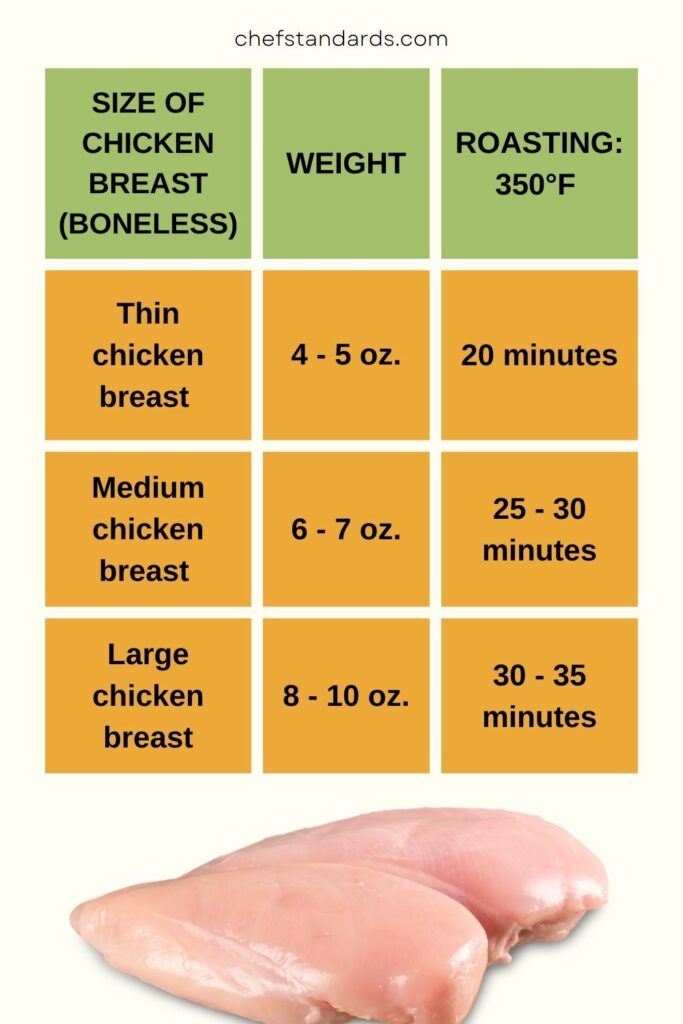
For the perfect result, timing is everything. When you set your oven to 450°F, you are looking at a very efficient cooking process. The general rule of thumb is to bake bone-in, skin-on pieces like breasts or thighs for roughly 15 to 20 minutes. Boneless, skinless cuts, such as chicken breasts or tenders, will cook much faster, typically requiring only 10 to 15 minutes to reach a safe internal temperature. Always rely on a meat thermometer rather than the clock alone to determine doneness.


| Cut | Approximate Baking Time | Target Internal Temperature |
|---|---|---|
| Bone-in Breast (with skin) | 18-22 minutes | 165°F (74°C) |
| Boneless Thighs (with skin) | 15-18 minutes | 165°F (74°C) |
| Bone-in Thighs (with skin) | 20-25 minutes | 165°F (74°C) |
| Boneless Breasts | 10-13 minutes | 165°F (74°C) |
Maximizing Flavor and Texture
To truly master baking chicken at 450°F, preparation is key. Patting the chicken dry with paper towels before seasoning is a crucial step that is often overlooked. Removing excess surface moisture ensures the skin can crisp up rather than steam. A light coating of oil helps the seasoning adhere and promotes even browning, while a simple rub of salt and pepper can elevate the natural flavor of the meat significantly. For deeper flavor, consider marinating the chicken for a few hours or overnight before it hits the oven.
Avoiding the Common Pitfalls
Even with a straightforward method, there are pitfalls to watch for. Overcrowding the baking sheet is a primary mistake, as it traps steam and prevents proper air circulation, leading to soggy skin instead of a crispy crust. Additionally, starting with cold chicken straight from the refrigerator will result in uneven cooking. Allowing the meat to sit at room temperature for 20 to 30 minutes before baking promotes more consistent results. Finally, letting the chicken rest for 5 minutes after it comes out of the oven is non-negotiable; this allows the juices to redistribute, ensuring every bite is moist and tender.


Variations and Recipe Inspiration
The 450°F temperature is a versatile foundation that works for a wide array of recipes. For a classic roast, try a whole chicken with lemon and herbs—the result is a crisp skin and succulent meat that is perfect for family meals. If you are looking for a quicker weeknight dinner, toss bone-in drumsticks with olive oil, garlic, and smoked paprika for a flavorful and rustic meal. This method is also ideal for making crispy baked chicken wings or oven-fried chicken cutlets that satisfy without the mess of deep frying.
Safety First: The Importance of Temperature
Food safety is the most critical aspect of cooking poultry, and visual cues alone are not enough to guarantee that the chicken is safe to eat. Undercooked chicken can lead to foodborne illness, so investing in an instant-read digital thermometer is the best decision you can make. Insert the probe into the thickest part of the meat, ensuring it does not touch bone, and verify that it has reached the safe minimum internal temperature of 165°F (74°C). Once this temperature is achieved, you can confidently remove the chicken from the oven, knowing it is both delicious and safe to consume.




Related Articles
Perfectly Cooked Chicken Breast: Ultimate Guide to Baking in a Convection Oven
Mastering how to bake chicken breast in convection oven is the single most effective kitchen upgrade for anyone seeking consistently juicy, flavorful, and...

The Ultimate Time to Bake Chicken Breast Guide: Perfectly Juicy Every Time
Perfectly cooked chicken breast is the cornerstone of countless healthy meals, yet it remains one of the most challenging proteins for home cooks to master...

Perfectly Roasted Acorn Squash: The Ultimate Step-by-Step Guide
Acorn squash, with its distinctive ribbed green exterior and vibrant orange interior, is a culinary chameleon that bridges the rustic charm of fall harvests...

Perfect Hash Brown Casserole at 400°F: Ultimate Baking Time Guide
When you set your oven to 400°F, you are aiming for the high heat necessary to create a crispy, golden exterior on your hash brown casserole while ensuring the...

The Perfect Oven Temperature for Crispy Chicken Wings: Ultimate Baking Guide
Perfectly cooked chicken wings start with one critical variable: oven temperature. Getting this setting right is the difference between wings that are crispy...

Perfectly Crispy Bacon Baked at 450°F: The Ultimate Guide
Baking bacon at 450°F is widely regarded as the gold standard for achieving perfectly crisp, flavorful strips without the mess of stovetop cooking. This method...