How Long Does Tile Paint Last? Durability Guide & Tips
Understanding the longevity of tile paint begins with acknowledging that this is not your standard wall coating. Tile paint is a specialized, high-performance coating engineered to endure significant wear and tear, and its lifespan is a direct result of its unique chemical composition. Designed to adhere to slick, non-porous surfaces, it provides a durable, washable finish that can transform a space, but it requires specific preparation and environmental conditions to reach its full potential.
When asking how long tile paint lasts, the immediate answer is highly variable, typically ranging from 3 to 5 years in a high-traffic bathroom to over 10 years in a low-traffic area like a pantry. This wide range is not a sign of inconsistency but a reflection of the product's adaptability to different environments. The durability hinges on a trifecta of factors: the quality of the specific paint formula, the meticulousness of the surface preparation, and the precision of the application technique.
The Critical Role of Surface Preparation
One of the most common reasons for premature paint failure is inadequate surface preparation. Tile paint forms a barrier, but for that barrier to be unbreakable, it must bond directly with the substrate. This bonding process is entirely dependent on creating a texture that the paint can grip. Skipping the cleaning and degreasing steps leaves behind a film that acts as a barrier, while skipping the etching or priming step leaves the paint with nothing to hold onto.


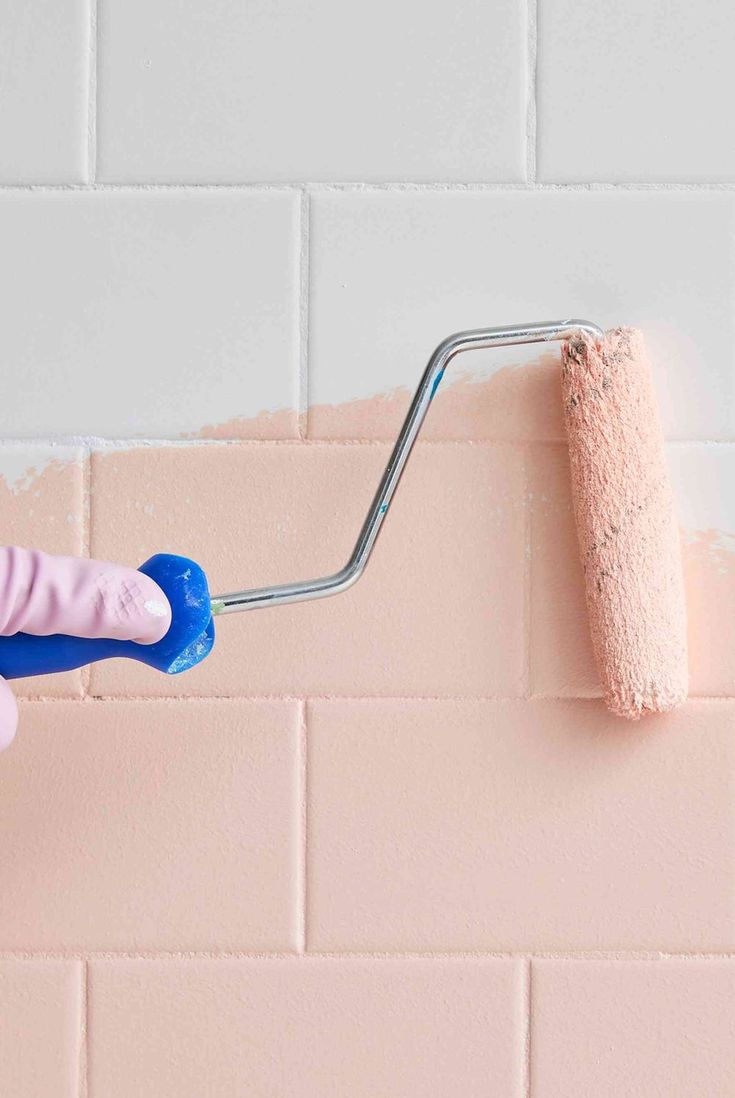
Cleaning, Etching, and Priming
- Degreasing: Grease and soap residue are the enemy of adhesion. A thorough clean with a degreaser is non-negotiable.
- Etching: Using a mild acid or a specialized etching primer creates a microscopically rough surface on the glossy tile, allowing the paint to mechanically lock in place.
- Priming: A bonding primer is the essential bridge between the tile and the topcoat. It significantly improves adhesion and prevents stains from bleeding through the final finish.
Environmental Factors and Usage Impact
The location of the painted surface plays a massive role in its longevity. A bathroom floor, subjected to constant moisture, steam, and physical stress, will wear down much faster than a kitchen splashback that is protected from direct water exposure. Moisture is the primary catalyst for peeling and chipping; when water seeps behind the paint film due to a breach in the surface, it lifts the coating from the wall or floor.
High-Traffic vs. Low-Traffic Areas
In high-traffic zones, the paint film is physically battered daily. Constant contact with shower doors, bath mats, and cleaning tools can gradually abrade the surface, leading to a loss of sheen and eventual flaking. In contrast, a painted accent wall or a piece of furniture that is rarely touched will maintain its integrity for a decade or more. The formula itself matters here; premium paints contain more robust binders and pigments that resist scuffing better than their budget counterparts.


The Application Process: Why Technique Matters
Even with the best product and perfect preparation, a flawed application will result in a short lifespan. Tile paint is often applied with a foam roller or a high-density brush to achieve a smooth, streak-free finish. Applying the paint too thickly creates a film that is prone to cracking as the underlying surface shifts slightly with temperature and humidity. Conversely, applying it too thinly fails to provide adequate coverage and protection.
Recommended Application Protocols
| Step | Best Practice | Consequence of Deviation |
|---|---|---|
| Drying Time | Allowing sufficient drying time between coats (usually 2-4 hours). | Applying a second coat too soon traps moisture, causing bubbling and peeling. |
| Number of Coats | Applying 2 to 3 thin, even coats. | One thick coat is more likely to crack and peel over time. |
| Environmental Conditions | Painting in a dust-free area with moderate temperature (ideally 10-30°C / 50-86°F). | Dust particles create bumps in the finish; cold temperatures prevent proper curing. |
Signs That Your Tile Paint Is Failing
Homeowners can assess the health of their painted surfaces by looking for specific warning signs. If the paint has begun to yellow, it may be reacting to UV light or a chemical cleaner, indicating that the polymer binders are breaking down. Bubbling or blistering is almost always a sign of moisture trapped beneath the surface, while cracking or flaking points to a loss of adhesion or structural movement behind the wall. Recognizing these signs early allows for spot repair or a full refinish before the underlying substrate is damaged.
Maximizing the Lifespan of Your Tile Paint
To ensure you get the maximum duration from your investment, treat the painted surface with care long after the final coat has dried. Avoid using harsh, abrasive cleaners or scouring pads; a soft cloth and a mild detergent are sufficient for maintenance. In bathrooms, using an exhaust fan during and after showers significantly reduces the moisture load on the paint. By viewing the finish as a high-maintenance surface rather than a set-it-and-forget-it solution, you can easily extend its life well beyond the standard 5-year expectation.


Related Articles

How Long Does Avocado Salsa Last in the Fridge? 🥑✨ Freshness Guide & Storage Tips
Freshly made avocado salsa is a vibrant explosion of flavor, but understanding how long does avocado salsa last in the fridge is crucial for both safety and...

How Long Does Pasta Last? Storage Tips & Shelf Life Guide
When you finish cooking dinner, you might find yourself staring at a pot of pasta and wondering how long does pasta last in the fridge. This simple question is...

How Long Does Garlic Sauce Last in the Fridge? Storage Tips & Freshness Guide
Garlic sauce, a creamy and flavorful condiment beloved in cuisines worldwide, often leaves home cooks wondering about its longevity. Understanding how long...

How Long Does Dragon Fruit Last? Freshness Guide & Storage Tips
Dragon fruit, with its vibrant pink skin and speckled interior, has carved a niche in modern kitchens for its exotic appeal and nutritional profile...

How Long Does Paint Last? Signs of Expiration & Storage Tips
One of the most common questions DIY enthusiasts and professional contractors alike ask is about the shelf life of their supplies. Specifically, understanding...

How Long Do Heating Blankets Last? Durability Guide
Few investments offer the same immediate comfort as a reliable heating blanket, transforming a cold bed into a haven of warmth on the coldest nights...