How Long Does It Take to Bake Chicken? Perfect Timing Guide
Determining how long it takes to bake chicken is rarely a one-size-fits-all answer. The time required fluctuates significantly based on the specific cut, its initial temperature, the desired final texture, and the cooking method employed. A standard whole chicken roasted in a high-temperature oven demands a vastly different timeframe than thinly sliced breast fillets destined for a quick sheet pan dinner. Understanding these variables is the first step toward consistently cooking chicken that is both safe and succulent.
The Critical Variables Impacting Bake Time
The primary factors dictating your baking duration are the physical dimensions of the meat and the starting temperature. A fundamental principle of cooking is that heat must transfer evenly through the food to the center. Larger, thicker pieces, such as a whole thigh or a bone-in breast, require significantly more time for the heat to penetrate the core compared to a pounded thin cutlet. Furthermore, chicken pulled directly from the refrigerator will take longer to cook than meat that has been sitting at room temperature for twenty minutes, although the latter should never exceed two hours for safety.
Cut and Thickness Dictate Duration
To provide a reliable estimate, you must first categorize the chicken by its form. Bone-in pieces, while often more flavorful due to the marrow and connective tissue, inherently slow down the cooking process because the heat must first transfer through the bone before reaching the meat. Boneless, skinless cuts cook much faster as there is no insulating bone or dense fat layer. The thickness, measured in inches, is the most direct correlation to time; a strip that is one inch thick will cook in a fraction of the time required for a strip that is three inches thick.


Time Estimates for Common Baking Methods
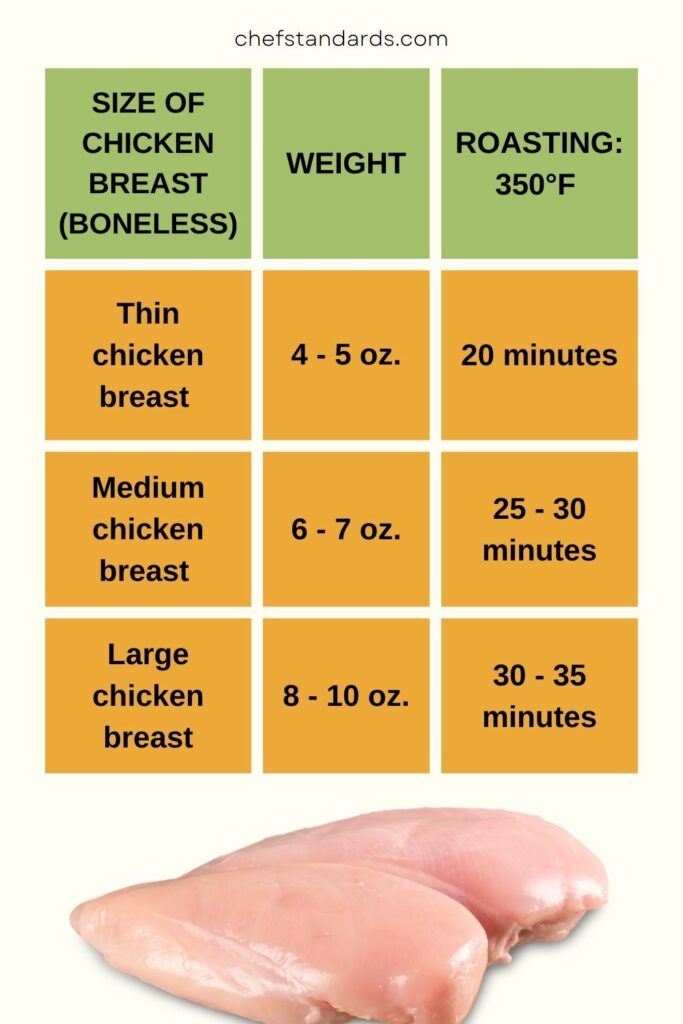
While oven temperatures vary, a standard calculation for roasting chicken at 400°F (200°C) provides a solid baseline. The following estimates assume the chicken pieces are evenly sized and placed on a preheated baking sheet or in a rimmed pan to ensure proper air circulation. Always rely on a digital meat thermometer for accuracy, as visual cues alone can be misleading.
| Cut of Chicken | Approximate Bake Time | Target Internal Temperature |
|---|---|---|
| Bone-in Thigh or Drumstick | 35 to 45 minutes | 165°F to 175°F (74°C to 80°C) |
| Boneless, Skinless Breast Halves | 20 to 30 minutes | 160°F to 165°F (71°C to 74°C) |
| Whole Chicken (4-5 lbs) | 75 to 90 minutes | 165°F in the thickest part of the thigh |
Temperature is the True Indicator
Regardless of the clock, the only factor that should determine doneness is the internal temperature. The safe minimum for poultry is 165°F (74°C), measured in the thickest part of the meat, avoiding direct contact with the bone. Inserting the thermometer into the center of the cut is essential; touching bone will register a higher temperature, leading to overcooked meat. Slightly higher temperatures, such as 170°F to 175°F for dark meat, are acceptable if you prefer a firmer texture, as the juices will continue to flow back into the muscle fibers during the resting phase.


The Role of Technique and Prep
Preparing the chicken correctly can influence the baking time and the final result. Patting the pieces dry with paper towels before seasoning is a crucial step that is often overlooked. Moisture on the surface creates steam, which can prevent the Maillard reaction—the chemical process responsible for browning and flavor development—from occurring efficiently. For even cooking, consider bringing the chicken to room temperature for 15 to 20 minutes before it hits the oven. This ensures the center cooks at the same rate as the exterior.
Maximizing Flavor and Texture
While speed is often a goal, sacrificing texture for time results in a dry, less enjoyable meal. To guarantee tender and juicy chicken, avoid the temptation to crank the oven temperature excessively high to "speed up" the process. Higher temperatures can cause the outer layer to dry out or burn before the interior reaches the safe temperature. Instead, focus on consistent heat and proper seasoning. A light coating of oil helps conduct heat and promotes browning, while a final 5 to 10 minutes under a high broiler can add a desirable crispness to the skin without overcooking the meat below.




Related Articles

How Long Does Ground Lamb Cook? Perfect Timing Guide
When preparing ground lamb, understanding the precise cooking time is essential for achieving a dish that is both safe to eat and full of flavor. Because this...

How Long Does a Mattress Take to Inflate? Quick Guide
When you unbox a new memory foam or air mattress, the immediate concern is often how long the mattress take to inflate. For most modern air mattresses, the...

Perfect Oven-Cooked Sausages: The Ultimate Timing Guide
Perfectly cooked sausages are the cornerstone of a satisfying meal, whether served on a toasted bun with mustard or nestled among roasted vegetables. Achieving...

How Long Does It Take to Lose Love Handles? A Complete Guide
Love handles, the stubborn pockets of fat that settle around the sides of your waist, are one of the most common aesthetic concerns for both men and women. If...

How Long to Cook a Deboned Turkey Breast: Perfect Timing Guide
Preparing a deboned turkey breast offers a reliable path to a perfect holiday meal, free from the guesswork of checking temperatures in a whole bird. Because...

Perfect Hash Brown Casserole at 400°F: Ultimate Baking Time Guide
When you set your oven to 400°F, you are aiming for the high heat necessary to create a crispy, golden exterior on your hash brown casserole while ensuring the...