How Hot Is a Red Chili Pepper? Spice Level Breakdown
When you pop a red chili pepper into your mouth, the immediate, sometimes fiery sensation is a clear message: this fruit is hot. But what does "hot" actually mean in this context? It is not a simple descriptor of temperature but a complex measurement of chemistry, biology, and perception. The heat you feel is a defense mechanism created by the plant, a burning gateway compound designed to deter mammals while inviting birds to spread its seeds.
The Science Behind the Burn: Capsaicin and Scoville
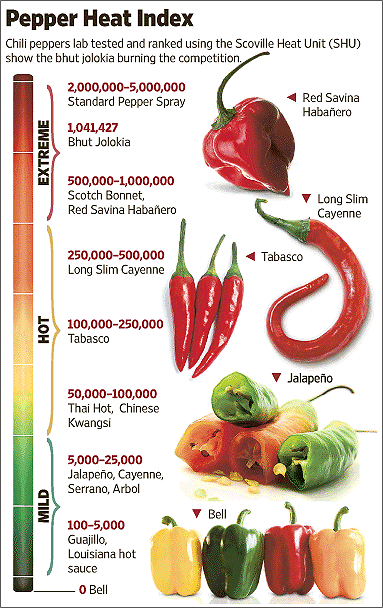
The primary culprit behind the heat of a red chili pepper is capsaicin, an oily compound that binds to pain receptors in our mouths, specifically the TRPV1 receptor, which usually responds to actual physical heat and damage. To quantify this sensation, Wilbur Scoville developed a method in 1912 known as the Scoville Organoleptic Test. This original method involved a panel of tasters diluting a pepper extract until the heat was no longer detectable, with the dilution factor forming the basis of Scoville Heat Units (SHU). A bell pepper scores a zero, while a jalapeño might register around 5,000 SHU.
Modern Measurement: From Tongues to Technology
While the classic Scoville test was effective, it was subjective and labor-intensive. Today, High-Performance Liquid Chromatography (HPLC) has taken over as the standard. This machine precisely measures the concentration of capsaicinoids—chemicals like capsaicin and dihydrocapsaicin present in the pepper—and calculates the total heat in SHU. This technological shift provides objective, consistent data, turning the vague concept of "hotness" into a precise scientific metric that allows for accurate labeling and comparison across different varieties.


| Pepper Variety | Average Heat (SHU) | Description |
|---|---|---|
| Bell Pepper | 0 | Sweet, no heat |
| Jalapeño | 5,000 | Garden classic with moderate heat |
| Serrano | 16,000 | Bright, grassy, and noticeably hot |
| Habanero | 350,000 | Intense, fruity, and extremely hot |
| Carolina Reaper | 1,640,000 | Current record holder for world's hottest pepper |
Why Do Peppers Get Hot? The Plant's Survival Strategy
From an evolutionary standpoint, the heat is a sophisticated defense mechanism. Capsaicin is a potent irritant to mammals, which we perceive as painful burning. Mammals with teeth tend to chew the plant, destroying the seeds in the process. Birds, however, lack the specific receptor that capsaicin triggers, allowing them to eat the peppers whole. The seeds pass through their digestive systems unharmed, effectively turning birds into efficient, long-distance distributors for the chili plant.
The Many Factors That Influence Heat Level
Not all red chili peppers of the same variety will deliver the exact same burn. The intensity of the heat is a product of a delicate interplay between genetics, environment, and harvest timing. A pepper plant stressed by drought, inconsistent watering, or significant insect pressure will often produce fruit with higher capsaicin concentration. Furthermore, the location of the capsaicin is critical; the highest concentrations are found in the placental tissue—the white ribs and membranes that hold the seeds—rather than the flesh of the pepper itself.


Harvest and Handling: From Green to Red
While peppers are often categorized by their color, the heat level can shift during the ripening process. Many chili varieties are picked while green and allowed to ripen to red. As they ripen, the concentration of capsaicinoids can increase, meaning a red chili pepper is often hotter than its green counterpart. Handling the peppers also plays a role in perceived heat; touching your eyes after handling a Carolina Reaper is a common and painful mistake, as the oils transfer easily to sensitive mucous membranes.
Navigating the Heat: A Note on Perception
Ultimately, the "hotness" of a red chili pepper exists in the mind of the eater. Two people can bite into the exact same pepper and experience vastly different levels of intensity. This is because individual sensitivity varies greatly; some people have more receptors for capsaicin than others. Furthermore, repeated exposure can build a tolerance, as the TRPV1 receptors temporarily desensitize. Understanding the science allows you to appreciate the pepper not just as a source of heat, but as a natural wonder of evolution and chemistry, perfectly calibrated to ensure its survival.




Related Articles

Anaheim Pepper Scoville: Heat Level and Spice Guide
The Anaheim pepper scoville rating typically falls between 500 and 2,500 units, placing it in the mild to medium heat category. This popular chili is named...

The Ultimate Chili Pepper Plant Care Guide: Grow Spicy Peppers Successfully
Growing chili peppers at home starts with understanding the specific environmental needs of these vibrant plants. Whether you are cultivating fiery habaneros...

Sizzling Salted Pepper Recipes: 15 Irresistible Ways to Spice Up Your Meals
Salted pepper recipes represent a celebration of balance, where the assertive crunch of freshly cracked pepper finds its perfect counterpart in the clean...

Cayenne Pepper vs Serrano: The Ultimate Spice Showdown
When comparing cayenne pepper vs serrano, you are looking at two distinct chili peppers that deliver heat through different flavor pathways and culinary roles...

Anaheim Pepper 101: The Ultimate Guide to This Mild and Mighty Chili
Often mistaken for a milder cousin of the bell pepper or a generic green chili, the Anaheim pepper holds a distinct place in the culinary world. Named after...

Grow Super Chili Pepper Plants: Heat & Flavor Explosion
For the discerning gardener and culinary adventurer, the super chili pepper plant represents the pinnacle of cultivated heat and flavor. These extraordinary...