How to Celebrate Three Kings Day: Festive Traditions & Recipes
Three Kings Day, or Epiphany, marks the culmination of the twelve days of Christmas and stands as one of the most vibrant and meaningful celebrations in many Christian traditions. Observed annually on January 6th, this holiday commemorates the biblical journey of the Magi, or Three Wise Men, who traveled to Bethlehem to honor the infant Jesus with gifts of gold, frankincense, and myrrh. While the religious significance remains paramount for millions, the day has evolved into a rich tapestry of customs that blend sacred tradition with joyful festivity, creating a unique cultural experience that varies beautifully across the globe.
The Historical and Religious Roots of Epiphany
The foundation of Three Kings Day lies in the ancient Christian narrative found in the Gospel of Matthew. This feast day celebrates the Adoration of the Magi, signifying the revelation of Jesus as the Son of God to the Gentiles, represented by the foreign scholars. Historically, the celebration dates back to the early centuries of Christianity, making it one of the oldest feasts in the liturgical calendar. The focus on the number three—symbolized by the trio of gifts and the three kings—reinforces themes of universality and divine acknowledgment, positioning the holiday as a cornerstone of the Christmas season beyond the secular focus on December 25th.
Festive Traditions: From Food to Pageantry
The ways in which communities celebrate this day are as diverse as the cultures that observe it, yet they are united by a spirit of generosity and joy. In many European countries, the day is centered around elaborate parades and "living nativity" scenes where children and adults alike reenact the journey of the Magi. These processions are often led by a figure embodying one of the Kings, showering the crowd with candies and small toys, bringing the biblical story to life in the most tangible and exciting way for younger generations.


- Participating in or watching a local Three Kings parade.
- Attending a church service focused on the blessing of chalk.
- Enjoying a special family meal featuring regional holiday dishes.
- Sharing gifts, particularly with children, to emulate the Magi’s offerings.
- Blessing doorways with consecrated chalk to invoke protection for the year.
- Gathering with extended family and friends to reflect on the season.
The Highlight of the Evening: King Cakes and Hidden Treasures
No discussion of the celebration is complete without mentioning the iconic King Cake, a delicious tradition that bridges the secular and the sacred. This ring-shaped pastry, often topped in the symbolic colors of purple (justice), green (faith), and gold (power), is the centerpiece of many gatherings. Hidden inside every cake is a small figurine, usually representing the infant Jesus. The person who discovers this "baby" in their slice is entrusted with a special honor: hosting a final festive gathering or party later in the season, ensuring the merriment continues long after the New Year.
While the methods of celebration vary, the underlying message remains consistent across the Americas, Europe, and parts of the Middle East. In Latino cultures, for example, the day is known as "Día de los Reyes" and is often the primary day for gift-giving, surpassing even Christmas Day in some regions. Children leave out their shoes by the door filled with hay or grass for the camels, eagerly awaiting treats left by the Reyes Magos. This charming tradition mirrors the anticipation of Christmas, but with the unique cultural flavor of a heritage deeply rooted in Catholic history.


Modern Observance and Global Significance
In today's world, Three Kings Day has transcended its strictly religious origins to become a cultural anchor for communities far and wide. It serves as a vital link to ancestral heritage for immigrants and their descendants, preserving languages, foods, and stories that might otherwise fade. The holiday offers a moment of reflection on the journey of faith and the universal message of peace and welcome. As cities host multicultural festivals and families pass down recipes for Rosca de Reyes, the celebration reinforces the idea that honoring the past is the best way to enrich the present.
Whether you are drawn to the religious solemnity of the Epiphany service, the joyous chaos of a neighborhood parade, or the simple pleasure of slicing into a delicious King Cake, Three Kings Day offers a profound opportunity to connect. It encourages us to look beyond the materialism of the season and embrace the spirit of giving, discovery, and community. By understanding and participating in these time-honored traditions, you are not just celebrating a date on the calendar, but becoming part of a centuries-old story of faith, generosity that continues to inspire and unite people across the world.


Related Articles
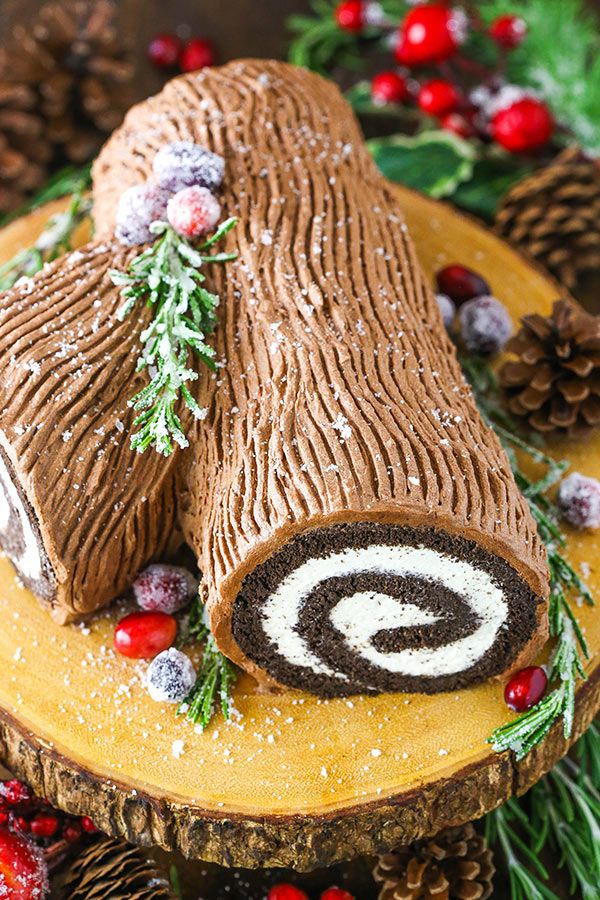
The Ultimate Christmas Yuletide Log: Festive Recipes & Traditions
The Christmas yuletide log is far more than a simple piece of firewood; it is a time-honored symbol of warmth, festivity, and hearthside tradition. This large...

Celebrate Mexican Independence Day: Festive Fun, History & Recipes 🇲🇽
Mexican Independence Day is more than a date on the calendar; it is a vibrant expression of national pride, historical reflection, and communal joy. Celebrated...

12 Days of Christmas Celebration: Festive Guide & Traditions
For many, the 12 Days of Christmas represent a beautiful window of festive joy nestled between the sparkling anticipation of December 25th and the quiet...

Celebrate Cinco de Mayo: Festive Themes, Recipes & Decorations
For anyone planning an event or celebration, selecting the right cinco de mayo themes provides the foundation for an authentic and memorable experience. This...

Delicious Foods for Yule: Festive Recipes & Traditions
As the winter solstice approaches, the concept of foods for Yule emerges as a cornerstone of the season's celebration. This period, often synonymous with...

The Ultimate Christmas How To Celebrate Guide Festive Traditions And Joyful Customs
The holiday season is a time for reflection, joy, and connection, and for many, the centerpiece of this annual celebration is Christmas. While the specifics of...